

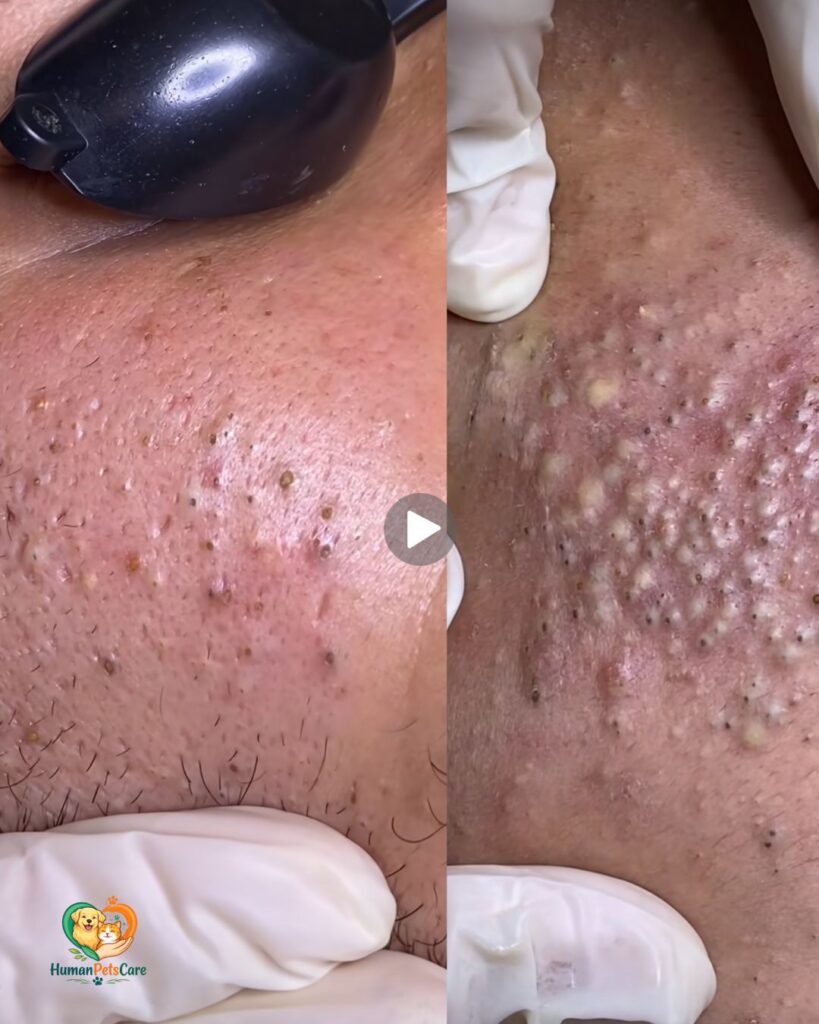
Pimples at 18 years old are extremely common and completely normal. Many teenagers think acne should disappear by this age, but for most people, breakouts continue or even peak around 18. This happens because your body is still adjusting to hormonal changes, lifestyle habits, and environmental factors.
In this detailed, AdSense-safe article, you’ll learn:
- Why pimples appear at 18
- Main causes of acne at this age
- Types of pimples
- Effective treatments
- Natural remedies
- Daily skincare routine
- Prevention tips
Let’s break it all down in a simple and clear way.
What Are Pimples?
Pimples are inflamed or clogged pores that form when oil, dead skin cells, and bacteria build up inside hair follicles. They commonly appear on the:
- Face
- Forehead
- Nose
- Chin
- Jawline
- Back and shoulders
Pimples are a type of acne, a skin condition that affects the oil (sebaceous) glands.
Why Pimples Appear at 18 Years Old
At 18, your body is still going through late puberty. Hormonal levels may not be stable yet, which directly impacts your skin.
Below are the most important reasons pimples appear at this age.
1. Hormonal Imbalance
Hormones are the biggest cause of pimples at 18.
During late teenage years:
- Androgen hormones increase
- Oil glands become overactive
- More sebum (oil) is produced
Excess oil clogs pores and creates the perfect environment for acne-causing bacteria.
Even at 18, hormone levels can fluctuate daily, causing sudden breakouts.
2. Excess Oil (Sebum) Production
Teenage skin naturally produces more oil than adult skin.
Too much oil:
- Blocks pores
- Mixes with dead skin cells
- Leads to whiteheads and blackheads
- Triggers inflamed pimples
Oily and combination skin types are more prone to acne at this age.
3. Bacteria Inside Pores
Your skin naturally contains acne-causing bacteria. When pores are blocked, these bacteria multiply quickly and cause:
- Redness
- Swelling
- Painful pimples
Poor skincare and touching the face often can worsen bacterial growth.
4. Stress and Mental Pressure
At 18, stress levels are often high due to:
- Exams
- College admissions
- Career decisions
- Social pressure
Stress increases cortisol hormone, which can stimulate oil production and worsen acne.
5. Poor Skincare Habits
Many teenagers:
- Overwash their face
- Use harsh soaps
- Skip moisturizer
- Use random products without guidance
This damages the skin barrier and causes more oil production, leading to pimples.
6. Diet and Lifestyle
Diet does not directly cause acne, but certain foods may trigger breakouts in sensitive individuals.
Possible triggers:
- Junk food
- Sugary drinks
- Fried foods
- Processed snacks
Lack of sleep and dehydration can also affect skin health.
7. Cosmetic and Hair Products
Using heavy makeup, oily creams, or hair oils can clog pores.
Products that are not labeled:
- Oil-free
- Non-comedogenic
can worsen acne, especially around the forehead and hairline.
8. Touching and Popping Pimples
Touching your face frequently transfers dirt and bacteria.
Popping pimples:
- Increases inflammation
- Causes dark spots
- Leads to permanent scars
This habit is one of the biggest reasons acne lasts longer.
Types of Pimples at 18
Understanding the type of acne helps choose the right treatment.
1. Whiteheads
Small white bumps caused by closed clogged pores.
2. Blackheads
Open pores that turn black due to oxidation.
3. Papules and Pustules
Red, swollen pimples; pustules contain pus.
4. Cystic Acne
Large, painful pimples under the skin. These may need medical treatment.
How to Treat Pimples at 18
Mild to moderate acne can often be treated at home with consistency.
1. Gentle Face Cleansing
- Wash face twice daily
- Use a mild, sulfate-free cleanser
- Avoid scrubbing
Over-cleansing can worsen acne.
2. Use Oil-Free Skincare Products
Always choose:
- Non-comedogenic
- Oil-free
- Acne-safe products
This helps keep pores clean.
3. Acne Treatment Ingredients That Work
Look for products containing:
- Salicylic acid (cleans pores)
- Benzoyl peroxide (kills bacteria)
- Niacinamide (reduces oil and redness)
Start slowly to avoid irritation.
4. Moisturize Daily
Many teens skip moisturizer, but dry skin produces more oil.
Use:
- Lightweight gel moisturizer
- Oil-free formula
5. Sunscreen Is Important
Sun exposure can:
- Darken acne marks
- Damage skin
- Increase oil production
Use a non-greasy sunscreen daily.
Natural Remedies for Pimples at 18
Natural remedies can support mild acne but should not replace medical treatment.
Safe options:
- Aloe vera gel
- Honey mask
- Ice compress for swelling
- Green tea application
Always do a patch test first.
Skincare Routine for 18-Year-Olds
Morning Routine
- Gentle cleanser
- Oil-free moisturizer
- Sunscreen
Night Routine
- Cleanser
- Acne treatment (if needed)
- Light moisturizer
Keep your routine simple and consistent.
When Should You See a Dermatologist?
You should seek medical help if:
- Acne is painful or cystic
- Pimples leave scars
- Acne lasts longer than 4–6 months
- Over-the-counter products don’t work
A doctor may prescribe:
- Strong topical treatments
- Oral medication
- Hormonal therapy (if needed)
How Long Does Acne Last at 18?
For most people:
- Acne peaks between 16–19
- Gradually improves in early 20s
With proper care, pimples can be controlled effectively.
Prevention Tips for Pimples at 18
- Wash pillowcases weekly
- Keep phone screen clean
- Avoid touching face
- Drink enough water
- Get 7–8 hours of sleep
- Exercise regularly
Consistency matters more than expensive products.
Common Myths About Pimples
Myth: Pimples mean dirty skin
Truth: Hormones are the main cause
Myth: Toothpaste cures pimples
Truth: It can irritate skin
Myth: Sunlight removes acne
Truth: Too much sun damages skin
Final Thoughts
Pimples at 18 years old are normal and very common. They happen mainly because your body is still balancing hormones and adjusting to adulthood. Acne does not mean poor hygiene or bad health.
With:
- Proper skincare
- Healthy lifestyle
- Patience and consistency
your skin will improve over time.
Remember, acne is temporary, but scars can be permanent—so treat your skin gently.
