

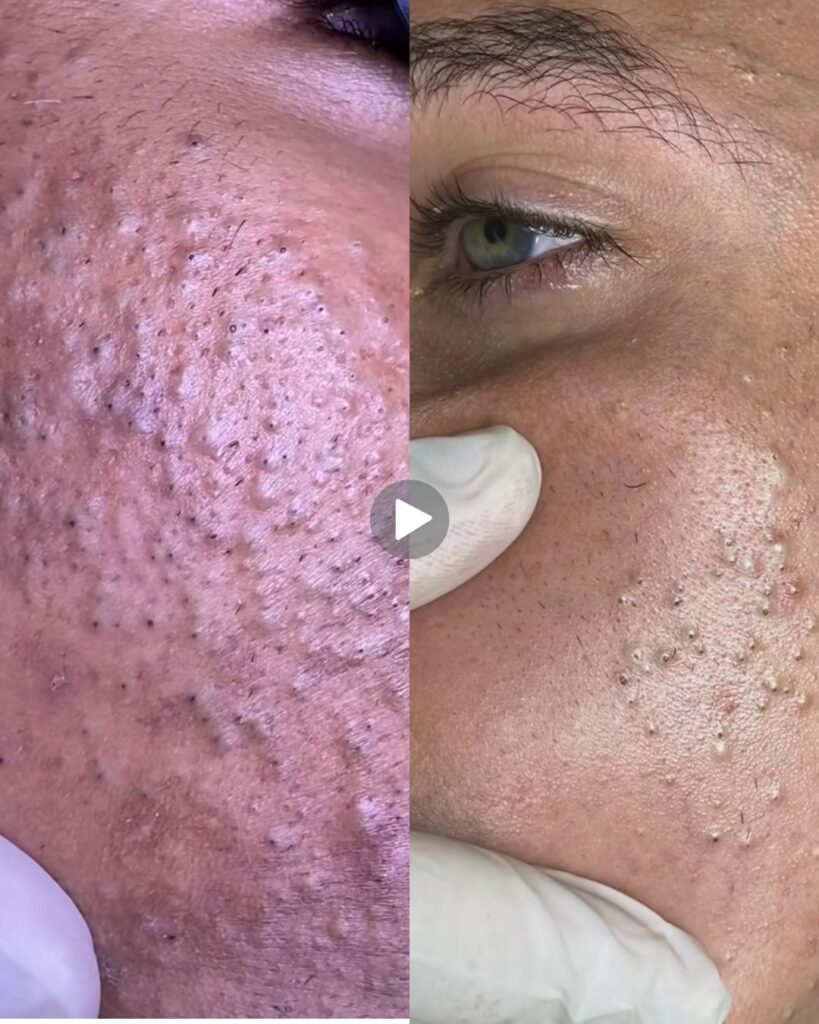
Pimples are one of the most common skin concerns worldwide. While hormones, stress, and skincare habits play important roles in acne development, diet is another major factor that many people overlook. If you often wonder why breakouts appear even when you follow a skincare routine, your daily food choices might be contributing to the problem.
In this article, we will explore the foods that cause pimples, how they affect your skin, and what healthier alternatives you can choose for clearer skin.
How Diet Affects Pimples
Pimples form when:
- Oil glands produce excess sebum
- Pores become clogged with dead skin cells
- Bacteria grow inside blocked pores
- Inflammation develops
Certain foods can increase oil production, trigger hormonal fluctuations, or cause inflammation in the body. All of these factors can increase the risk of acne.
1. Sugary Foods and Drinks
High-sugar foods are one of the biggest triggers for pimples.
Examples:
- Soft drinks
- Candy
- Cakes and pastries
- Packaged fruit juices
- Sweetened tea or coffee
Why They Cause Pimples
Sugary foods raise blood sugar levels quickly. This leads to a spike in insulin, which increases oil production and inflammation. Excess oil can clog pores and cause breakouts.
Better Alternatives:
- Fresh fruits
- Unsweetened beverages
- Water with lemon
- Herbal teas
2. Dairy Products
Some people notice more pimples after consuming milk or dairy.
Examples:
- Milk
- Cheese
- Ice cream
- Flavored yogurt
How Dairy May Affect Skin
Milk contains hormones that may stimulate oil glands. In some individuals, this can worsen acne. Skim milk is sometimes more strongly linked to breakouts than full-fat milk.
Better Alternatives:
- Almond milk
- Oat milk
- Coconut milk
Not everyone reacts to dairy the same way, but if you notice breakouts after consuming it, try reducing intake.
3. Fast Food and Fried Foods
Fast food is often high in unhealthy fats and refined carbohydrates.
Examples:
- French fries
- Burgers
- Fried chicken
- Pizza
Why They May Trigger Acne
These foods can increase inflammation in the body. High levels of unhealthy fats may also affect hormone balance, which can lead to more pimples.
Better Alternatives:
- Grilled foods
- Baked snacks
- Homemade meals with fresh ingredients
4. White Bread and Refined Carbohydrates
Refined carbs digest quickly and spike blood sugar.
Examples:
- White bread
- White rice
- Pasta
- Cookies
- Chips
High glycemic foods increase insulin levels, which may trigger oil production and inflammation.
Better Alternatives:
- Whole grain bread
- Brown rice
- Oats
- Quinoa
5. Chocolate
Chocolate is often blamed for acne. The connection is not entirely clear, but some studies suggest that high-sugar chocolate may worsen pimples in certain people.
Dark chocolate with low sugar content may be a better option.
6. Whey Protein Supplements
Whey protein is popular among gym-goers and athletes.
However, whey protein may increase certain hormones that stimulate oil production, potentially leading to breakouts in some individuals.
If you notice acne after starting whey protein, consider plant-based protein options.
7. Salty and Processed Snacks
Highly processed snacks often contain preservatives, unhealthy fats, and excessive salt.
These ingredients may contribute to inflammation and dehydration, which can affect skin health.
8. Excessive Caffeine
Large amounts of coffee or energy drinks can increase stress hormones. Elevated stress levels may trigger acne in some people.
Moderation is key.
Do Oily Foods Directly Cause Pimples?
Many people believe that eating oily food directly makes skin oily. This is not completely accurate. Oil on your plate does not automatically turn into oil on your face. However, unhealthy fats and processed oils can increase inflammation, which may worsen acne.
Foods That Help Prevent Pimples
Instead of focusing only on what to avoid, it is important to include skin-friendly foods.
1. Fruits and Vegetables
Rich in vitamins and antioxidants that reduce inflammation.
2. Omega-3 Fatty Acids
Found in fish, flaxseeds, and walnuts. They help reduce inflammation.
3. Zinc-Rich Foods
Pumpkin seeds, beans, and nuts support skin healing.
4. Water
Proper hydration helps flush toxins and maintain healthy skin.
How to Identify Your Trigger Foods
Everyone’s skin is different. A food that causes pimples in one person may not affect another.
To identify triggers:
- Keep a food diary
- Track breakouts
- Eliminate suspected foods for 2–3 weeks
- Slowly reintroduce them
This method can help you find patterns.
Lifestyle Factors That Work With Diet
Diet alone does not determine acne. Combine healthy eating with:
- Proper skincare routine
- Regular face washing
- Adequate sleep
- Stress management
- Clean pillowcases and towels
Are Pimples Always Caused by Food?
No. Hormones, genetics, stress, pollution, and skincare habits are also major contributors. Food is just one piece of the puzzle.
When to See a Doctor
If pimples are:
- Severe
- Painful
- Leaving scars
- Not improving with lifestyle changes
It may be helpful to consult a dermatologist for professional advice.
Final Thoughts
Certain foods may increase the risk of pimples, especially those high in sugar, refined carbohydrates, and unhealthy fats. Dairy and whey protein may also trigger breakouts in some individuals. However, every person’s skin reacts differently.
Maintaining a balanced diet, staying hydrated, and following a proper skincare routine can significantly improve skin health. Instead of completely eliminating foods, focus on moderation and healthy choices.
Clear skin is not only about what you apply on your face but also about what you put on your plate.
FAQs
1. Do sugary foods cause pimples?
High sugar intake may increase inflammation and oil production, which can contribute to breakouts.
2. Does milk cause acne?
Milk may worsen acne in some individuals due to hormone content, but reactions vary.
3. Is chocolate bad for pimples?
High-sugar chocolate may trigger breakouts in some people. Dark chocolate in moderation may be better.
4. Can drinking water reduce pimples?
Water supports overall skin health but does not directly cure acne.
5. How long does it take to see improvement after changing diet?
It may take 2–6 weeks to notice visible skin improvements.
