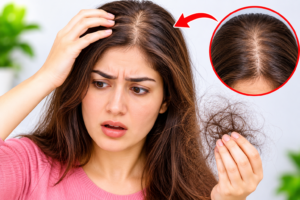

Sudden hair loss can be a frustrating and worrying experience, especially when you start noticing more hair than usual on your pillow, in the shower, or on your hairbrush. Although losing some hair every day is completely normal, excessive or unexpected shedding may indicate an underlying health problem.
Hair loss affects women of different ages and can happen for several reasons, including hormonal changes, stress, nutritional deficiencies, thyroid disorders, and scalp conditions. In some cases, hair shedding is temporary and improves naturally. However, persistent hair thinning may require medical attention and appropriate treatment.
If you have recently noticed unusual hair shedding, you may be wondering: Why is my hair falling out suddenly, and what can I do to stop it?
Understanding the underlying cause is the first step toward healthier hair. In this guide, we’ll discuss 10 common causes of sudden hair loss in women, warning signs to watch for, available treatments, and practical ways to support natural hair growth.
How Much Hair Loss Is Normal?
Before worrying about hair shedding, it’s important to understand the normal hair growth cycle.
Most people lose approximately 50 to 100 hairs daily. This is part of the natural process in which old hair strands fall out and new ones begin growing.
However, you may be experiencing excessive hair shedding if you notice:
- Large amounts of hair collecting in your shower drain.
- More hair than usual on your pillow.
- Noticeable thinning around your hairline or crown.
- A wider parting line on your scalp.
- Hair coming out in larger amounts when brushing.
- Reduced overall hair thickness and volume.
If these changes happen suddenly or continue for several weeks, identifying the underlying cause can help prevent further hair loss.
10 Common Causes of Sudden Hair Loss in Women
Sudden hair shedding can develop because of several physical, hormonal, and environmental factors. Here are ten common reasons women experience unexpected hair loss.
Youtube Video
1. Stress and Telogen Effluvium
Stress is one of the most common triggers of sudden hair shedding in women.
A condition called telogen effluvium can develop after significant physical or emotional stress. During this condition, more hair follicles than usual enter the resting phase of the hair growth cycle.
As a result, noticeable hair shedding may begin approximately two to three months after the stressful event.
Common triggers include:
- Emotional stress or anxiety.
- Major surgery.
- Serious illness or high fever.
- Childbirth.
- Severe infections.
- Significant physical trauma.
The good news is that telogen effluvium is often temporary. Hair growth usually improves once the triggering factor is addressed and the body recovers.
2. Hormonal Changes
Hormones play an important role in regulating the hair growth cycle. Changes in hormone levels can sometimes cause increased shedding or gradual hair thinning.
Women may experience hormonal hair loss during:
- Pregnancy.
- The postpartum period.
- Menopause.
- Changes in hormonal birth control.
- Certain hormonal disorders.
Postpartum hair loss is particularly common. During pregnancy, increased estrogen levels may keep more hair in the growing phase. After childbirth, hormone levels change, causing many hairs to enter the shedding phase.
This shedding can be noticeable but usually improves over several months.
3. Iron and Vitamin Deficiencies
Your hair follicles require essential nutrients to maintain healthy growth. When the body does not receive enough important vitamins and minerals, hair shedding may increase.
Some nutritional deficiencies associated with hair loss include:
Iron: Low iron levels can interfere with healthy hair growth. Women with heavy menstrual periods may have an increased risk of iron deficiency.
Vitamin D: Vitamin D plays a role in normal hair follicle function. Low levels have been associated with certain hair loss conditions.
Vitamin B12: This vitamin supports red blood cell production and normal cellular function. A deficiency can affect overall health and may contribute to hair problems.
Zinc: Zinc supports tissue repair and normal hair follicle activity.
Protein: Hair is primarily made of a protein called keratin. Inadequate protein intake may contribute to weak hair and increased shedding.
If you suspect a deficiency, consult a healthcare professional about appropriate blood tests before taking high-dose supplements.
4. Thyroid Problems
The thyroid gland produces hormones that regulate metabolism and influence several important body functions, including hair growth.
Both an underactive thyroid (hypothyroidism) and an overactive thyroid (hyperthyroidism) can contribute to hair thinning and increased shedding.
Other possible symptoms include:
- Unexplained weight changes.
- Fatigue and low energy.
- Dry skin.
- Changes in heart rate.
- Sensitivity to cold or heat.
- Changes in menstrual periods.
Treating an underlying thyroid condition may help improve hair growth over time.
5. Polycystic Ovary Syndrome (PCOS)
Polycystic ovary syndrome (PCOS) is a hormonal condition that can affect women during their reproductive years.
Women with PCOS may have elevated androgen levels, which can contribute to a pattern of hair thinning known as female-pattern hair loss.
Common symptoms of PCOS include:
- Irregular menstrual periods.
- Acne and oily skin.
- Excess facial or body hair.
- Thinning hair on the scalp.
- Difficulty managing weight.
Hair thinning associated with PCOS often occurs around the crown and upper scalp.
Although PCOS cannot be permanently cured, medical treatment and lifestyle management can help control symptoms and support hair health.
6. Rapid Weight Loss and Crash Dieting
Losing weight too quickly can place considerable stress on your body.
When you follow an extremely restrictive diet, your body may not receive enough calories, protein, iron, and other essential nutrients.
This nutritional stress can disrupt the normal hair growth cycle and trigger telogen effluvium.
Women who experience sudden weight loss may notice increased hair shedding several weeks or months later.
To support healthy hair, avoid crash diets and focus on balanced meals that provide sufficient protein, vitamins, and minerals.
7. Hair Loss After COVID-19 or Other Illnesses
Some women experience noticeable hair shedding after recovering from COVID-19 or another serious illness.
This is often related to telogen effluvium, which can occur when physical stress causes more hair follicles to enter the resting phase.
Possible triggers include:
- High fever.
- Severe infections.
- Hospitalization.
- Major surgery.
- Significant inflammation.
- Physical stress during recovery.
Hair shedding may become noticeable two to three months after the illness.
In many cases, the condition gradually improves as the body recovers. However, persistent hair loss should be evaluated by a dermatologist.
8. Dandruff and Scalp Conditions
A healthy scalp provides the environment necessary for normal hair growth.
Certain scalp conditions can cause itching, inflammation, irritation, and sometimes increased hair shedding.
Common scalp problems include:
Dandruff: Flaking and irritation can make the scalp uncomfortable. Scratching may damage hair and contribute to breakage.
Seborrheic dermatitis: This condition causes redness, greasy scales, and inflammation, often affecting the scalp.
Scalp psoriasis: Thick, scaly patches can develop on the scalp and sometimes cause temporary hair shedding.
Fungal infections: Scalp ringworm can cause scaly patches, broken hairs, and areas of hair loss.
Treating the underlying scalp condition is important for maintaining healthy hair.
9. Female-Pattern Hair Loss
Female-pattern hair loss is a common form of gradual hair thinning in women.
Unlike sudden shedding caused by stress, this condition generally develops slowly over time.
Common signs include:
- A widening part line.
- Reduced hair density around the crown.
- Thinning across the upper scalp.
- Hair that gradually becomes finer.
Genetics and hormonal influences can contribute to this condition.
Although female-pattern hair loss may be progressive, treatments such as topical minoxidil can help slow hair loss and improve hair density in some women.
A dermatologist can determine whether this treatment is appropriate.
10. Medications and Certain Medical Treatments
Some medications may cause temporary hair shedding or affect normal hair growth.
Examples include certain:
- Cancer treatments.
- Anticoagulant medications.
- Retinoids.
- Anticonvulsants.
- Blood pressure medications.
- Hormonal medications.
Not everyone taking these medications experiences hair loss.
If you notice increased shedding after starting a new medicine, discuss it with your healthcare provider. Never stop a prescribed medication without medical advice.
How Is Sudden Hair Loss Diagnosed?
Finding the actual cause of hair loss is essential for choosing the right treatment.
A dermatologist may examine your scalp, review your medical history, and ask about recent illnesses, stress, medications, diet, and hormonal changes.
Depending on your symptoms, diagnostic tests may include:
Blood tests: These may help identify iron deficiency, vitamin deficiencies, or other underlying health problems.
Thyroid function tests: These check whether thyroid hormone levels are within the normal range.
Hormone testing: This may be recommended when symptoms suggest PCOS or another hormonal condition.
Scalp examination: A dermatologist may use dermoscopy to examine hair follicles and scalp health.
Hair pull test: This simple examination helps evaluate whether you are experiencing excessive hair shedding.
Scalp biopsy: In selected cases, a small scalp sample may be examined to identify certain hair loss conditions.
Not every patient needs all these tests. The appropriate evaluation depends on the type and pattern of hair loss.
Best Treatments for Sudden Hair Loss in Women
Hair loss treatment depends on its underlying cause. Some women recover through nutritional improvements and stress management, while others may require medical treatment.
1. Minoxidil
Minoxidil is a topical medication commonly used to treat female-pattern hair loss.
It works by supporting hair follicle activity and helping maintain the growing phase of the hair cycle.
Potential benefits include:
- Slowing hair thinning.
- Improving hair density.
- Supporting hair regrowth in some women.
Results usually take several months to become noticeable. Continued use is generally necessary to maintain the benefits.
Consult a dermatologist before starting treatment, especially if you are pregnant, breastfeeding, or have an underlying medical condition.
2. PRP Hair Treatment
Platelet-rich plasma (PRP) therapy is a procedure that uses a concentrated portion of your own blood.
During treatment, a healthcare professional collects a blood sample and processes it to separate platelet-rich plasma. The prepared plasma is then injected into selected areas of the scalp.
Platelets contain growth factors that may help influence tissue repair and hair follicle activity.
PRP is being studied as a treatment for certain types of hair loss, particularly female-pattern hair thinning. However, results vary, and more research is needed to establish the most effective treatment protocols.
3. Iron and Vitamin Supplements
If blood tests confirm a nutritional deficiency, your healthcare provider may recommend appropriate supplements.
Depending on your needs, these may include:
- Iron.
- Vitamin D.
- Vitamin B12.
- Zinc.
Taking supplements without a confirmed deficiency is not always helpful and may sometimes cause harm.
4. Hormonal Treatment
Women experiencing hair loss associated with PCOS or other hormonal conditions may benefit from medical treatment.
Depending on the diagnosis, a doctor may recommend hormonal medication or other treatments to manage the underlying condition.
Treatment should always be personalized according to your medical history and health needs.
5. Treatment for Scalp Conditions
If dandruff, fungal infections, or scalp inflammation is contributing to hair problems, treating the scalp condition is essential.
A dermatologist may recommend medicated shampoos, topical treatments, or prescription medication depending on the diagnosis.
Natural Ways to Reduce Hair Fall and Support Hair Growth
Healthy lifestyle habits can support normal hair growth and help prevent avoidable hair damage.
Consider these practical tips:
Eat a balanced diet: Include protein, iron, zinc, vitamins, and healthy fats in your meals.
Manage stress: Regular physical activity, adequate sleep, relaxation techniques, and meditation may help reduce stress.
Avoid excessive heat styling: Frequent use of straighteners, curling irons, and blow dryers can weaken hair strands.
Use gentle hair products: Choose suitable shampoos and conditioners that do not irritate your scalp.
Avoid tight hairstyles: Tight ponytails, braids, and extensions may cause traction alopecia over time.
Be gentle when brushing: Avoid pulling wet or tangled hair aggressively.
Maintain scalp hygiene: Wash your scalp regularly according to your hair type and treat persistent dandruff or irritation.
Remember that natural remedies cannot reverse every type of hair loss. Persistent shedding requires proper evaluation.
Best Foods for Stronger and Healthier Hair
Nutrition plays an important role in maintaining normal hair growth.
Include these nutrient-rich foods in your daily diet:
| Food | Important Nutrients |
|---|---|
| Eggs | Protein and vitamin B12 |
| Spinach | Iron and folate |
| Lentils | Protein and iron |
| Salmon | Protein and omega-3 fatty acids |
| Almonds | Vitamin E and healthy fats |
| Pumpkin seeds | Zinc and iron |
| Greek yogurt | Protein and vitamin B12 |
| Whole grains | B vitamins and minerals |
Eating a variety of nutritious foods can help provide the building blocks your body needs for healthy hair.
When Should You See a Dermatologist?
Although some hair shedding is temporary, certain symptoms require professional evaluation.
Consult a dermatologist if:
- Hair loss begins suddenly or becomes severe.
- You develop round or irregular bald patches.
- Your scalp becomes painful, itchy, or inflamed.
- Hair loss continues or does not improve over several months.
- Your hairline or parting becomes noticeably thinner.
- You experience hair loss along with unexplained fatigue or other health symptoms.
Early diagnosis can help identify treatable conditions and reduce the risk of permanent hair loss.
Frequently Asked Questions About Sudden Hair Loss in Women
1. Why is my hair falling out suddenly?
Sudden hair loss in women can result from stress, hormonal changes, iron deficiency, thyroid disorders, rapid weight loss, illness, or certain scalp conditions.
2. Can stress cause sudden hair loss?
Yes. Significant physical or emotional stress can trigger telogen effluvium, a condition that causes excessive hair shedding. Hair loss usually becomes noticeable two to three months after the stressful event.
3. Is sudden hair loss reversible?
Many causes of sudden hair shedding are temporary and reversible. However, recovery depends on the underlying condition. Female-pattern hair loss and certain inflammatory scalp disorders may require ongoing treatment.
4. How much hair fall is normal per day?
Losing approximately 50 to 100 hairs daily is generally considered normal. Noticeably heavier shedding may indicate excessive hair loss.
5. Which vitamin deficiency causes hair loss?
Iron, vitamin D, vitamin B12, and zinc deficiencies may contribute to hair problems. However, hair loss can have many other causes, so testing is important before taking supplements.
6. Does hair grow back after sudden shedding?
In many cases, yes. Hair often regrows after temporary conditions such as telogen effluvium once the underlying trigger is addressed. Visible improvement may take several months.
7. What is the best treatment for sudden hair loss in females?
There is no single treatment for every woman. Minoxidil may help female-pattern hair loss, while nutritional deficiencies, thyroid problems, hormonal disorders, and scalp conditions require their own treatments.
Final Thoughts
Sudden hair loss in women can be stressful, but it does not always mean permanent hair damage. Common causes include hormonal fluctuations, stress, nutritional deficiencies, thyroid problems, PCOS, rapid weight loss, and scalp conditions.
The most effective way to manage hair loss is to identify the underlying cause rather than relying on random hair oils, supplements, or home remedies.
Maintain a balanced diet, protect your scalp, avoid damaging hairstyles, and seek professional advice if excessive shedding continues.
With an accurate diagnosis and the right treatment plan, many women can improve their hair health and support healthier hair growth over time.