
Why Are My Nails Turning Yellow? 9 Common Causes and Treatments
Yellow nails can be frustrating, especially when your nails were previously healthy and naturally pink. Nail discoloration is common and may occur because of nail polish, fungal infections, injuries, certain medications, or underlying health conditions.
In many cases, yellow nails are not a sign of a serious health problem. However, if the discoloration persists, spreads, or occurs alongside changes in nail thickness, shape, or growth, it is important to identify the cause.
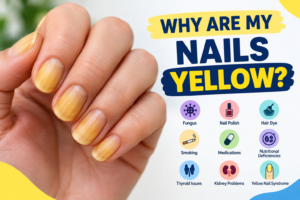
Understanding why your nails are turning yellow can help you choose the right treatment and prevent further discoloration. This guide explores nine possible causes of yellow nails, how to care for them, and when to seek medical advice.
Key Takeaways
- Nail polish, hair dye, smoking, and certain medications can contribute to yellow nail discoloration.
- Fungal infections and repeated nail injuries may cause yellowing, thickening, or brittle nails.
- Thyroid disorders, nutritional deficiencies, and other health conditions can sometimes affect nail appearance.
- Treatment depends on the underlying cause, so persistent discoloration should not automatically be treated as a fungal infection.
1. Nail Fungus
A fungal nail infection, medically known as onychomycosis, is one of the common causes of yellow nails. It occurs when fungi infect the nail or the tissue beneath it.
A fungal infection may initially appear as a small yellow or white spot near the tip or side of a nail. As the infection progresses, the nail may become thicker, brittle, rough, or crumbly. In some cases, the nail may separate from the nail bed.
Toenails are particularly susceptible because fungi thrive in warm, moist environments, such as sweaty shoes. People with athlete’s foot may also develop a nail infection if the fungus spreads to their toenails.
Sharing nail clippers, using inadequately cleaned manicure tools, and walking barefoot in communal wet areas can increase exposure to fungi.
How to Treat Yellow Nails Caused by Fungus
Treatment depends on the severity of the infection. A healthcare professional may recommend an antifungal nail treatment or prescription medication. Oral antifungal medicines may be appropriate for some people, but they require medical evaluation because of possible side effects and drug interactions.
Keep your nails clean and dry, change damp socks, and avoid sharing nail-care tools. Because nail fungus can resemble other nail conditions, professional evaluation is helpful before starting treatment.
Youtube Video
2. Frequent Use of Nail Polish
Nail polish can leave yellow stains, especially when you frequently wear dark or highly pigmented shades. Red, burgundy, and other deep colors may stain the nail plate when their pigments interact with the nail’s outer layers.
Wearing polish continuously without breaks can make discoloration more noticeable. Some nail products may also contribute to dryness or brittleness, particularly when used frequently or removed with harsh products.
Yellow staining from nail polish does not necessarily mean that your nails are infected or unhealthy.
How to Prevent Nail Polish Stains
Give your nails occasional breaks between manicures. Before applying colored polish, consider using a suitable base coat to help reduce direct contact between the pigment and your nails.
Remove polish gently and avoid scraping or aggressively buffing the nail surface. If staining has already occurred, it may gradually disappear as the nail grows.
3. Nail Injuries and Repeated Trauma
Injuries can change the color, texture, and shape of your nails. Trauma may occur after hitting a nail, wearing tight shoes, biting your nails, or repeatedly applying pressure to the nail plate.
Frequent exposure to water and cleaning products can also weaken nails over time. When the nail’s protective structure becomes damaged, it may split, peel, or develop an uneven appearance.
Possible signs of nail trauma include:
- Yellow or brown discoloration
- Splitting or peeling nail layers
- Ridges or grooves
- Brittle edges
- Nail separation from the nail bed
How to Care for Injured Nails
Protect damaged nails from additional pressure and keep them trimmed to a comfortable length. Wear gloves when washing dishes or handling cleaning products, and moisturize your nails and cuticles regularly.
Avoid aggressive manicures until the nail has recovered. If discoloration develops after a significant injury, or you experience severe pain, swelling, or persistent bleeding, seek medical care.
4. Hair Dye and Other Coloring Products
Nail polish is not the only product that can stain nails. Hair dyes, self-tanning products, and certain cosmetic coloring agents can also leave yellow or brown discoloration.
These products may contain pigments or ingredients that attach to the keratin in the nail plate. Keratin is the protein that gives nails their structure.
Hair dye can stain the nails when it comes into direct contact with your hands during coloring. Self-tanning products may also leave discoloration if they accumulate around the nails or cuticles.
How to Prevent Cosmetic Staining
Wear suitable protective gloves when applying hair dye or handling strongly pigmented products. Wash your hands after cosmetic treatments and follow the product’s safety instructions.
If staining has already occurred, avoid using bleach, strong solvents, or abrasive household cleaners on your nails. The discoloration may gradually grow out as your nails renew themselves.
5. Smoking and Nicotine Exposure
Smoking can contribute to yellow discoloration of the fingernails. Chemicals and residue from tobacco smoke may stain the nails and surrounding skin, particularly on fingers that regularly hold cigarettes.
The discoloration may be more noticeable with long-term smoking. Smoking also exposes the body to harmful substances that affect overall health.
However, yellow nails alone cannot confirm that someone smokes, and not every smoker develops visible nail staining.
What Can Help?
Stopping smoking is the most effective way to prevent additional tobacco-related staining and improve overall health. Gentle nail cleaning may remove some surface residue, but deeper staining can take longer to disappear.
Avoid harsh scrubbing, which may damage the nail surface and make it more vulnerable to further discoloration.
6. Certain Medications
Some medications can cause nail discoloration as a side effect. Depending on the medicine, changes may affect the color, thickness, growth, or texture of the nails.
Certain medicines used to treat infections, cancer, and other health conditions may affect nail appearance. The likelihood of discoloration depends on the specific medication, dosage, and individual response.
Yellow nails that appear after starting a new medicine deserve attention, particularly if several nails change color at around the same time.
What Should You Do?
Review any recent medication changes with your healthcare professional or pharmacist. They can determine whether the discoloration could be related to your treatment and whether further evaluation is necessary.
Do not stop taking prescribed medication or change your dosage on your own. If the nail changes are accompanied by other unexpected symptoms, contact your healthcare professional promptly.
7. Nutritional Deficiencies
Healthy nails depend on adequate nutrition, including sufficient protein, vitamins, and minerals. Certain nutritional deficiencies may contribute to brittle nails, slower growth, or changes in nail appearance.
Iron deficiency, for example, can cause nail abnormalities, although spoon-shaped nails are more characteristic than yellow discoloration. Other nutritional problems may also affect nail health, but yellow nails alone are not a reliable way to identify a vitamin deficiency.
Taking supplements without knowing the cause may not improve your nails and can sometimes be harmful.
How to Support Healthy Nail Growth
Eat a balanced diet that includes protein-rich foods, vegetables, fruits, whole grains, and other nutrient-dense options. Depending on your dietary needs, foods such as eggs, beans, fish, nuts, and leafy greens can help provide essential nutrients.
If you experience persistent nail changes alongside fatigue, unusual weakness, hair changes, or other symptoms, a healthcare professional may recommend appropriate tests.
8. Thyroid and Kidney Conditions
Certain medical conditions can affect the appearance and growth of your nails. Thyroid disorders, for example, may contribute to brittle nails, changes in nail growth, or nail separation.
Kidney disease can also be associated with nail abnormalities. Some people develop characteristic patterns of discoloration, including changes in the appearance of the nail bed and the outer portion of the nail.
However, yellow nails by themselves do not establish that someone has a thyroid or kidney problem. These conditions usually require an assessment of symptoms, medical history, and appropriate testing.
When Should You Seek Medical Advice?
Consider speaking with a healthcare professional if nail discoloration persists without an obvious explanation or occurs alongside other changes in your health.
Depending on your symptoms, the clinician may recommend blood tests or other investigations. Identifying the underlying condition is more useful than trying to correct the nail color alone.
9. Yellow Nail Syndrome
Yellow nail syndrome is a rare condition associated with yellow, thickened nails that grow slowly or may stop growing normally.
Unlike temporary staining from nail polish, the discoloration may affect several fingernails and toenails. The nails may become curved, develop ridges, or separate from the nail bed.
Yellow nail syndrome can also be associated with swelling caused by lymphatic fluid buildup and respiratory problems, such as a persistent cough or fluid around the lungs. Not everyone experiences every symptom.
Does Yellow Nail Syndrome Need Treatment?
Yes, it requires medical evaluation because the nail changes may be part of a broader health condition. A healthcare professional can examine your nails, review other symptoms, and determine whether further testing is needed.
There is no single home remedy that reliably treats yellow nail syndrome. Treatment depends on the symptoms and any associated medical problems.
How to Make Yellow Nails Look Healthier
The best way to improve yellow nails is to address the cause. If the discoloration is from cosmetic staining, simple nail-care changes may help. If an infection or medical condition is responsible, targeted treatment may be necessary.
Here are practical ways to support healthier nails:
Take Breaks From Nail Polish
Avoid wearing colored polish continuously if you notice staining. Use a gentle remover and allow your nails to grow without additional pigment for a while.
Keep Your Nails Clean and Dry
Wash your hands and feet regularly, dry them thoroughly, and change damp socks. These habits can help reduce the risk of fungal infections.
Moisturize Your Nails and Cuticles
Regularly apply a suitable hand cream or nail moisturizer to help reduce dryness and brittleness. Avoid cutting or pushing back cuticles aggressively.
Protect Your Nails From Chemicals
Wear protective gloves when using cleaning products, washing dishes for extended periods, or handling hair dye. Minimize prolonged exposure to water when possible.
Avoid Unproven Whitening Remedies
Lemon juice, bleach, abrasive powders, and strong household chemicals can irritate the surrounding skin or damage the nail surface. Aggressive buffing may also make nails thinner and weaker.
If discoloration is caused by fungus or an underlying condition, whitening the surface will not resolve the underlying problem.
When Should You See a Doctor About Yellow Nails?
Occasional yellow staining after wearing nail polish is usually less concerning than unexplained or progressive discoloration. You should consider medical evaluation if:
- Several nails become yellow without an obvious cause.
- Your nails become thick, crumbly, brittle, or detached.
- The surrounding skin becomes red, swollen, painful, or warm.
- The discoloration persists or continues to spread.
- Nail changes occur alongside unexplained fatigue, swelling, breathing difficulties, or other new symptoms.
Seek prompt medical attention if yellow nails occur with breathing difficulties or significant swelling. A single yellow nail with a new dark streak or a changing mark also deserves professional assessment.
Frequently Asked Questions
1. Why are my nails turning yellow all of a sudden?
Sudden yellow discoloration may result from nail polish, hair dye, tobacco residue, an injury, or a medication. Fungal infections can also cause yellow nails, although they often develop gradually. The timing and appearance of the discoloration can help a healthcare professional identify the cause.
2. Can yellow nails become pink again?
Yes, many cases of yellow nail staining improve once the cause is removed. Cosmetic stains usually grow out gradually. If a fungal infection or medical condition is responsible, appropriate treatment may be necessary before the nails regain a healthier appearance.
3. Are yellow nails always a sign of fungus?
No. Yellow nails may result from cosmetic products, smoking, trauma, medications, or medical conditions. Thickening, crumbling, and nail separation can suggest a fungal infection, but testing or professional assessment may be needed to confirm it.
4. How long does it take for yellow nails to return to normal?
The timeline depends on the cause and the speed of nail growth. Surface stains may fade with gentle cleaning, while deeper staining usually takes time to grow out. Fingernails often take several months to grow out fully, and toenails may take a year or longer.
5. Can vitamin deficiencies cause yellow nails?
Some nutritional deficiencies can affect nail health, but yellow discoloration alone is not a dependable sign of a specific deficiency. A balanced diet and medical evaluation, when appropriate, are better approaches than taking supplements without a confirmed need.
6. Should I use a nail whitener to remove yellow stains?
A nail whitener may temporarily improve the appearance of some cosmetic stains, but it will not treat a fungal infection or an underlying medical condition. Avoid harsh whitening products and stop using any product that causes irritation or nail damage.
Final Thoughts
Yellow nails can develop for many reasons, from everyday cosmetic staining to fungal infections and certain medical conditions. The most effective solution depends on identifying what is causing the color change.
Start by considering recent nail polish use, exposure to dyes, smoking, injuries, and medication changes. Maintain gentle nail-care habits and seek professional advice if the discoloration is persistent, unexplained, or accompanied by other symptoms.
With the right care and treatment, many causes of yellow nails can be managed, helping your nails grow toward a healthier appearance.