
Key Takeaways
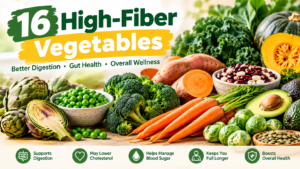
- High-fiber vegetables help support digestion, regular bowel movements, and overall gut health.
- Artichokes, beans, green peas, Brussels sprouts, and sweet potatoes are excellent sources of dietary fiber.
- Fiber may help manage cholesterol levels, support healthy blood sugar, and keep you feeling full for longer.
- Most adults benefit from eating a variety of fiber-rich plant foods, including vegetables, fruits, whole grains, legumes, nuts, and seeds.
- Increasing fiber gradually and drinking enough water can help reduce gas, bloating, and other digestive discomfort.
Introduction
Vegetables are an essential part of a balanced diet because they provide vitamins, minerals, antioxidants, and dietary fiber. Although almost all vegetables contribute some fiber, certain varieties contain considerably more than others.
Adding high-fiber vegetables to your meals is a simple way to support digestive health, improve bowel regularity, and increase your overall nutrient intake. Fiber-rich foods may also help you feel satisfied after eating and contribute to healthy cholesterol and blood sugar levels.
Whether you want to improve your digestion, manage your appetite, or develop healthier eating habits, choosing vegetables with plenty of fiber can make a meaningful difference.
In this guide, you will discover 16 high-fiber vegetables, their approximate fiber content, the health benefits of dietary fiber, and practical ways to include more of these nutritious foods in your daily meals.
How Much Fiber Do You Need Every Day?
Your daily fiber needs depend on factors such as your age, sex, and calorie requirements. A commonly used guideline recommends approximately 14 grams of fiber for every 1,000 calories consumed.
For many adults, this translates to the following daily targets:
- Women: Approximately 25 grams of fiber per day.
- Men: Approximately 38 grams of fiber per day.
Individual needs can vary, and some adults may require different amounts depending on their age and health circumstances.
Unfortunately, many people consume less fiber than recommended. Eating more vegetables is one practical way to improve your intake without making major changes to your diet.
Other excellent sources of fiber include whole grains, fruits, lentils, beans, nuts, and seeds. Combining these foods with vegetables can help you meet your daily fiber goals.
Youtube Video
16 High-Fiber Vegetables to Add to Your Diet
The following vegetables provide valuable amounts of dietary fiber. The amounts listed are approximate and can vary according to preparation methods, variety, and serving size.
1. Artichokes
Artichokes are among the most fiber-rich vegetables available. One cup of cooked artichoke provides approximately 9.6 grams of fiber, making it an excellent choice for people looking to increase their daily intake.
Artichokes contain both soluble and insoluble fiber. These types of fiber support different aspects of digestion, including bowel regularity and healthy gut function.
Artichokes also provide beneficial plant compounds and nutrients that contribute to a balanced diet.
How to eat them: Steam or roast artichokes, add their cooked hearts to salads, or include them in vegetable dishes.
2. Beans
Beans are particularly rich in fiber and plant-based protein. Depending on the variety, half a cup of cooked beans can provide around 6–10 grams of fiber.
Kidney beans, black beans, navy beans, and other varieties can help support digestion while providing nutrients such as folate, iron, and potassium.
Although beans are botanically classified as legumes rather than typical vegetables, they are widely used in savory vegetable-based meals and are an excellent source of dietary fiber.
How to eat them: Add beans to soups, stews, salads, and homemade vegetable curries. If canned beans are more convenient, choose varieties with little or no added salt when possible.
3. Green Peas
Green peas are a convenient source of fiber, plant protein, and several important vitamins. One cup of cooked green peas contains approximately 8.8 grams of fiber.
Their combination of fiber and protein can help meals feel more satisfying. Fiber also supports healthy digestion and regular bowel movements.
Green peas are easy to prepare and can be used in many everyday recipes.
How to eat them: Add peas to rice dishes, soups, pasta, salads, or mixed vegetable recipes. Frozen peas are also a nutritious and convenient option.
4. Pumpkin
Pumpkin provides approximately 7.1 grams of fiber per cup when prepared in a form consistent with standard cooked pumpkin nutrition estimates.
It also contains beta-carotene, which the body can convert into vitamin A. This nutrient supports normal vision, immune function, and healthy skin.
Pumpkin’s mild flavor makes it suitable for both sweet and savory dishes.
How to eat it: Roast pumpkin cubes, prepare pumpkin soup, or mix cooked pumpkin into vegetable stews. Choose plain pumpkin rather than sweetened pumpkin dessert products when you want to limit added sugar.
5. Taro Root
Taro is a starchy root vegetable that supplies carbohydrates, dietary fiber, and minerals. One cup of cooked taro may provide approximately 6–7 grams of fiber, depending on the variety and preparation.
Its fiber content makes it a useful addition to a balanced diet, while its starch provides energy.
How to eat it: Peel and cook taro thoroughly before serving. It can be boiled, steamed, or incorporated into soups and savory dishes. Never eat taro raw because it contains compounds that can irritate the mouth and throat.
6. Brussels Sprouts
Brussels sprouts are nutritious cruciferous vegetables that provide approximately 6.4 grams of fiber per cup when cooked.
They also contain vitamin C, vitamin K, and beneficial plant compounds. Their fiber helps support regular digestion, while their broader nutrient profile contributes to overall health.
Some people experience gas after eating Brussels sprouts because certain carbohydrates are fermented by intestinal bacteria.
How to eat them: Roast Brussels sprouts with a little olive oil, steam them until tender, or slice them into warm vegetable salads.
7. Sweet Potatoes
Sweet potatoes offer approximately 6.3 grams of fiber per cup when cooked with the edible skin, although the exact amount depends on preparation.
They also contain beta-carotene, potassium, and other nutrients. Keeping the skin on, when appropriate and thoroughly washed, can help preserve additional fiber.
Sweet potatoes are naturally flavorful and can be used as a nutritious alternative to less fiber-rich side dishes.
How to eat them: Bake or roast sweet potatoes, mash them with their skin, or add cooked pieces to soups and grain bowls.
8. Parsnips
Parsnips are root vegetables related to carrots. One cup of cooked parsnips provides approximately 6 grams of fiber.
They also supply potassium, folate, and other nutrients. Their naturally sweet flavor makes them an appealing addition to savory meals.
How to eat them: Roast parsnips with herbs, add them to soups, or mash them with other root vegetables.
9. Jicama
Jicama is a crunchy root vegetable with a mild, slightly sweet flavor. One cup of raw jicama contains approximately 5.9 grams of fiber.
It also provides water and vitamin C, making it a refreshing addition to snacks and salads.
Jicama can be particularly useful for people who enjoy raw vegetables but want something different from carrots or celery.
How to eat it: Peel jicama carefully, slice it into sticks, or add thin slices to salads and fresh vegetable bowls.
10. Winter Squash
Winter squash varieties, including some types of acorn and other winter squash, provide useful amounts of dietary fiber. One cup of cooked winter squash may contain around 5–6 grams, depending on the variety.
Winter squash also supplies carotenoids and other nutrients that support a balanced diet.
How to eat it: Roast squash, prepare a smooth soup, or combine it with beans and whole grains for a satisfying meal.
11. Broccoli
Broccoli is a popular cruciferous vegetable that supplies approximately 5.2 grams of fiber per cup when cooked.
It also contains vitamin C, vitamin K, folate, and other beneficial plant compounds. Eating broccoli regularly can help you increase your intake of several important nutrients at once.
Both the florets and stems are edible, so you do not need to discard the stems when preparing this vegetable.
How to eat it: Steam broccoli, roast it, or add chopped florets and stems to soups, stir-fries, and pasta dishes.
12. Cauliflower
Cauliflower provides approximately 4–5 grams of fiber per cup, depending on how it is prepared and measured.
It is also a source of vitamin C and other nutrients. Its mild flavor makes it easy to combine with a variety of seasonings and ingredients.
Cauliflower can be a useful choice for people who want to add more vegetables to their meals without significantly changing their usual recipes.
How to eat it: Roast cauliflower, steam it, add it to curries, or use finely chopped cauliflower in vegetable rice dishes.
13. Kohlrabi
Kohlrabi is a crisp vegetable from the cabbage family. A cup of raw kohlrabi can provide approximately 4–5 grams of fiber.
It also contains vitamin C and other nutrients that contribute to a healthy eating pattern.
Its texture is similar to a crisp turnip or broccoli stem, making it suitable for both raw and cooked dishes.
How to eat it: Peel and slice kohlrabi for salads, grate it into slaws, or roast it with herbs and spices.
14. Avocado
Although avocado is botanically a fruit, it is often included in savory meals and is an excellent source of fiber. Half a cup of avocado provides approximately 5 grams of fiber.
Avocados also contain predominantly monounsaturated fats, which can be part of a heart-healthy eating pattern.
Their creamy texture makes them easy to add to meals without relying on heavy sauces.
How to eat it: Spread avocado on whole-grain toast, add it to salads, or serve it with beans and vegetables.
15. Carrots
Carrots provide approximately 4.8 grams of fiber per cup when cooked, although the exact amount varies with the serving and preparation method.
They are also rich in beta-carotene and provide other nutrients that support general health.
Both raw and cooked carrots can contribute to your daily fiber intake. Eating the skin after thoroughly washing the carrots may help preserve additional nutrients and fiber.
How to eat them: Enjoy carrot sticks as a snack, roast them as a side dish, or add chopped carrots to soups, stews, and vegetable curries.
16. Kale
Kale is a leafy green vegetable that supplies approximately 4–5 grams of fiber per cup when cooked, depending on the variety and preparation.
It also provides vitamins A, C, and K, along with other plant compounds. Adding leafy greens to your meals can help improve overall dietary variety.
How to eat it: Lightly sauté kale, mix it into soups, or add finely chopped leaves to cooked grain dishes.
What Vegetables Contain Less Fiber?
Not every vegetable has a high fiber concentration, but vegetables with lower amounts can still contribute to your daily intake.
Examples include:
- Celery
- Beets
- Cassava
- Cooked cabbage
- Onions
- Asparagus
- Taro leaves
Depending on the vegetable and serving size, these foods may provide roughly 2–3 grams of fiber per cup or less.
You do not need to avoid vegetables simply because they contain less fiber. Different vegetables supply different vitamins, minerals, and beneficial plant compounds, so variety remains important.
5 Health Benefits of High-Fiber Vegetables
1. Support Healthy Digestion
Dietary fiber plays an important role in maintaining normal bowel function. Insoluble fiber adds bulk to stool, while certain soluble fibers help retain water and support softer bowel movements.
Eating enough fiber may help prevent constipation and make bowel movements more regular.
However, fiber works best as part of an overall healthy routine that includes adequate fluids and regular physical activity.
2. Help You Feel Full for Longer
Fiber-rich foods often take longer to digest and can add bulk to meals. This may help you feel satisfied for longer after eating.
Vegetables such as peas, artichokes, broccoli, and Brussels sprouts can make meals more filling without requiring large amounts of added fat or sugar.
Although fiber can support appetite management, it does not guarantee weight loss. Overall calorie intake, activity, sleep, and other lifestyle factors also matter.
3. Support Healthy Cholesterol Levels
Some types of soluble fiber can help lower LDL cholesterol, commonly known as bad cholesterol.
Soluble fiber forms a gel-like substance in the digestive tract and can reduce the absorption of cholesterol-related substances. This may contribute to better blood lipid levels when combined with a heart-healthy eating pattern.
Beans, peas, and other fiber-rich plant foods are useful options for people looking to improve the nutritional quality of their diets.
4. Help Manage Blood Sugar
Fiber can slow the digestion and absorption of carbohydrates, which may help moderate increases in blood glucose after meals.
Eating fiber-rich vegetables alongside protein and other nutritious foods can support balanced meals.
However, vegetables do not replace diabetes medication or professional medical advice. People managing diabetes should consider their overall carbohydrate intake and follow their healthcare professional’s recommendations.
5. Contribute to Heart and Gut Health
Certain fibers act as food for beneficial intestinal bacteria. When these bacteria ferment specific fibers, they produce short-chain fatty acids that play important roles in gut health.
A diet rich in vegetables and other plant foods may also support healthy blood pressure and cardiovascular health through its combined fiber, potassium, and other nutrient content.
The benefits depend on your overall dietary pattern rather than one specific vegetable.
Signs You May Not Be Getting Enough Fiber
Low fiber intake does not always cause noticeable symptoms. However, some issues may indicate that your diet needs improvement.
Constipation: Infrequent bowel movements, hard stools, or difficulty passing stool can be associated with insufficient fiber, although other causes are also possible.
Straining during bowel movements: Repeated straining may contribute to hemorrhoids or worsen existing symptoms. Increasing fiber gradually may help improve stool consistency.
Feeling hungry soon after meals: Meals that contain little fiber may be less satisfying. Adding vegetables, legumes, and whole grains may help you feel full for longer.
These symptoms are not proof that you have a fiber deficiency. If symptoms persist, become severe, or occur with bleeding, unexplained weight loss, or significant abdominal pain, seek medical advice.
How to Get More Fiber From Vegetables
Increasing fiber intake does not have to be complicated. A few practical changes can help you eat more fiber throughout the day.
Keep Edible Skins and Peels
When safe and appropriate, leave the skin on potatoes and sweet potatoes after washing them thoroughly. The skin can contribute additional fiber.
For vegetables with inedible or unsuitable peels, remove the peel as needed.
Use More of the Vegetable
Broccoli stems, beet greens, and other edible vegetable parts can provide additional nutrients and fiber.
Wash them properly and prepare them according to the vegetable’s food-safety requirements.
Choose Frozen Vegetables
Plain frozen vegetables can be just as nutritious as fresh vegetables. Freezing helps preserve many nutrients, and frozen options can make healthy meals easier to prepare.
Look for products without excessive added salt, sugar, or creamy sauces.
Add Vegetables to Everyday Meals
Small additions can increase your daily fiber intake without requiring a complete diet change.
For example, add peas to rice, broccoli to pasta, beans to soup, or carrots to a lunchtime salad.
Blend Rather Than Juice
Blending whole vegetables into smoothies generally preserves more fiber than juicing because the pulp remains in the drink.
Juicing often removes much of the pulp, reducing the amount of fiber in the final product.
Increase Fiber Gradually
If you currently eat very little fiber, adding large amounts immediately may cause bloating, gas, or abdominal discomfort.
Increase your intake over time and drink enough fluids. This allows your digestive system to adjust more comfortably.
Other Foods That Are High in Fiber
Vegetables are an important source of fiber, but combining them with other plant foods can make it easier to meet your daily requirements.
Consider including:
- Whole grains: Oats, whole-wheat bread, barley, and brown rice.
- Legumes: Lentils, chickpeas, kidney beans, and black beans.
- Fruits: Raspberries, pears, apples with their skin, and guava.
- Nuts: Almonds, pistachios, and other unsalted varieties.
- Seeds: Chia seeds, flaxseeds, and other edible seeds.
Eating a variety of these foods provides different types of fiber and a broader range of nutrients.
Who Should Be Careful With High-Fiber Vegetables?
Most people can benefit from eating a variety of fiber-rich foods. However, certain medical conditions may require individualized dietary advice.
People with an intestinal blockage, a flare of certain digestive diseases, or specific gastrointestinal conditions may be advised to temporarily limit fiber. A low-fiber diet may also be recommended before some medical procedures, including certain colonoscopies.
People with irritable bowel syndrome may find that particular high-fiber foods trigger gas or bloating. In these cases, the type of fiber, portion size, and individual tolerance matter.
If you have a digestive condition or have been prescribed a special diet, consult your healthcare professional or registered dietitian before making substantial changes to your fiber intake.
Frequently Asked Questions
Which vegetable has the most fiber?
Artichokes are among the highest-fiber vegetables in common nutrition comparisons, providing approximately 9.6 grams of fiber per cup when cooked. Certain cooked beans and legumes can provide similarly high amounts, depending on the variety.
Is broccoli high in fiber?
Yes. One cup of cooked broccoli contains approximately 5.2 grams of fiber. It also provides vitamin C, vitamin K, and other nutrients.
Are carrots a good source of fiber?
Yes. One cup of cooked carrots provides approximately 4.8 grams of fiber. Raw carrots also contribute fiber and can be a convenient snack.
Can high-fiber vegetables help with weight management?
They can help support weight management because fiber-rich vegetables add volume to meals and may improve fullness. However, successful weight management depends on overall eating patterns, physical activity, and other individual factors.
Can eating too much fiber cause digestive problems?
Yes. Increasing fiber too quickly may lead to gas, bloating, cramping, or changes in bowel movements. Increase your intake gradually and drink enough water.
Are frozen vegetables as healthy as fresh vegetables?
Yes. Plain frozen vegetables can provide similar nutritional benefits to fresh vegetables. They are a convenient option for people who want to eat more vegetables throughout the week.
Is vegetable juice a good source of fiber?
Usually, whole vegetables provide more fiber than strained vegetable juice because juicing removes much of the pulp. Blending whole vegetables generally retains more of their original fiber.
Conclusion
High-fiber vegetables are a valuable part of a balanced diet. Artichokes, beans, green peas, Brussels sprouts, sweet potatoes, broccoli, and carrots are practical choices for increasing your fiber intake while providing important vitamins and minerals.
Getting enough fiber may help support regular bowel movements, healthy cholesterol levels, blood sugar management, and long-lasting fullness. You can increase your intake by adding vegetables to familiar meals, choosing whole plant foods, and including a variety of fiber sources throughout the day.
Remember to increase fiber gradually and drink enough fluids to support comfortable digestion. You do not need to change your entire diet overnight. Start with a few vegetables you enjoy, include them regularly, and build healthier eating habits one meal at a time.
Disclaimer: This article is for educational purposes only and does not replace individualized medical advice. Consult a qualified healthcare professional if you have a digestive condition or specific dietary requirements.