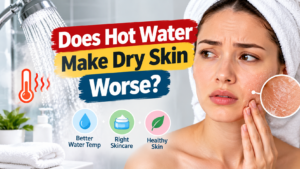

Does Hot Water Make Dry Skin Worse? Causes, Effects, and Skincare Tips
Dry skin is a common skincare concern that can cause tightness, itching, flaking, redness, and discomfort. Many people enjoy taking hot showers or washing their faces with warm water, especially during cold weather. However, an important question often arises: Does hot water make dry skin worse?
The answer is yes. Hot water can worsen dry skin by removing natural oils from the skin’s surface, weakening its protective barrier, and increasing moisture loss. Although a hot shower may feel relaxing, frequent exposure to high water temperatures can leave the skin feeling dry, irritated, and uncomfortable.
Fortunately, maintaining good skin does not require you to give up taking showers. You may protect your skin and preserve its natural hydration by changing the water’s temperature, selecting mild cleansers, and properly applying moisturiser.
This tutorial explains how hot water can irritate dry skin, how to determine the ideal shower temperature, and which skincare practices can help avoid dryness.
How Does Hot Water Affect Dry Skin?
Your skin has a natural protective barrier made up of skin cells, lipids, and natural moisturizing substances. This barrier helps retain moisture while protecting the skin from environmental irritants, allergens, and harmful substances.
When you expose your skin to excessively hot water, several things can happen. Hot water can remove some of the natural oils that help keep the skin soft and hydrated. Without enough protective lipids, moisture can escape more easily from the skin’s surface.
This process can contribute to increased transepidermal water loss, which occurs when water evaporates from the skin.
People with naturally dry skin may notice the effects more quickly. Their skin may feel tight immediately after showering, develop rough patches, or become itchy throughout the day.
Repeated exposure to hot water, especially when combined with harsh soaps and long showers, can make these symptoms more noticeable.
Youtube Video
Why Does Hot Water Make Skin Dry?
Several factors explain why hot water can worsen dryness and irritation.
1. It Removes Natural Skin Oils
Your skin produces natural oils, including sebum, that help lubricate the surface and support its protective barrier. Cleansing already removes some of these oils, and hot water combined with soap can increase that effect.
When too much oil is removed, the skin may lose some of its softness and flexibility. This can lead to roughness, flaking, and a tight sensation.
People with dry or sensitive skin should be particularly careful with very hot showers and frequent washing.
2. It Can Weaken the Skin Barrier
The skin barrier helps maintain hydration and protects against external irritants. Excessive heat, repeated washing, and harsh cleansing products can interfere with its normal function.
When the barrier becomes impaired, the skin may lose moisture more easily and react more strongly to products such as fragrances, exfoliants, and certain cleansers.
A weakened barrier can make existing dryness and sensitivity more difficult to manage.
3. It May Increase Itching and Redness
Hot water can temporarily feel soothing when your skin is itchy, but this relief may not last. Heat can increase skin irritation and make some inflammatory skin conditions more uncomfortable.
After showering, you may notice redness, itching, burning, or a prickling sensation. Scratching can further irritate the skin and create a cycle of discomfort.
People with eczema or very sensitive skin may be especially affected by hot showers.
4. It Can Make Certain Skin Conditions Worse
Hot water does not cause every dry skin condition, but it can aggravate symptoms in people who already have conditions such as eczema or irritant contact dermatitis.
For these individuals, hot showers may contribute to increased dryness, itching, redness, and skin discomfort.
If you have persistent symptoms, changing your shower routine may help, but it might not be enough on its own. A healthcare professional can help identify the underlying cause and recommend appropriate treatment.
Is Warm Water Better Than Hot Water for Dry Skin?
Yes. Lukewarm water is generally a better choice for people with dry, sensitive, or eczema-prone skin.
Hot water may feel comfortable initially, but it can remove protective oils and increase irritation. Lukewarm water helps clean the skin without exposing it to excessive heat.
There is no single temperature that is ideal for everyone, but your shower should feel comfortably warm rather than hot enough to make your skin turn red.
You can use these simple guidelines:
- Lukewarm water: Generally the best choice for dry and sensitive skin.
- Warm water: Usually suitable when used for a short shower with gentle cleansing products.
- Very hot water: Best avoided, especially if you experience itching, redness, or flaking.
Pay attention to how your skin feels after bathing. If it consistently feels tight or uncomfortable, try lowering the water temperature and shortening your showers.
How Long Should You Shower If You Have Dry Skin?
Long showers can increase the skin’s exposure to water, heat, and cleansing products. Even when the water is not extremely hot, prolonged bathing may contribute to dryness.
For most people with dry skin, keeping showers to around five to ten minutes is a practical starting point.
You do not need to scrub your entire body vigorously. Focus on areas that need cleansing, such as the underarms, feet, and other areas where sweat and dirt accumulate. Use a gentle cleanser and avoid unnecessary friction.
After showering, gently pat your skin dry with a soft towel rather than rubbing it vigorously.
The goal is to clean your skin without unnecessarily stripping away its protective oils.
Best Skincare Routine for Dry Skin After Showering
A consistent skincare routine can help reduce dryness and protect the skin barrier. Small changes immediately after bathing can make a meaningful difference.
1. Apply Moisturizer Immediately
One of the most helpful habits for dry skin is applying moisturizer shortly after bathing.
After showering, gently pat your skin dry, leaving it slightly damp. Apply a moisturizer within a few minutes to help trap water in the skin.
Look for products containing ingredients such as:
- Ceramides: Help support the skin’s protective barrier.
- Glycerin: Attracts water and helps improve hydration.
- Hyaluronic acid: Helps bind water in the skin.
- Petrolatum: Forms a protective layer that reduces moisture loss.
- Shea butter: Helps soften and condition dry skin.
Creams and ointments are often more effective than lightweight lotions for very dry skin because they generally provide more substantial moisture retention.
Choose a fragrance-free product if your skin is sensitive.
2. Use a Gentle Cleanser
Harsh soaps and strongly fragranced body washes can worsen dryness, especially when used with hot water.
Choose a mild, fragrance-free cleanser designed for dry or sensitive skin. Avoid products that consistently leave your skin feeling squeaky, tight, or uncomfortable.
You may not need to use cleanser on every part of your body during every shower. Adjust your routine according to your activity level, sweat, and personal hygiene needs.
If a product causes burning, itching, or redness, stop using it and consider discussing the reaction with a healthcare professional.
3. Avoid Over-Exfoliation
Exfoliation removes dead skin cells, but excessive scrubbing can damage the skin barrier and make dryness more noticeable.
Avoid rough loofahs, abrasive scrubs, and frequent exfoliating acids if your skin is already irritated or flaky.
Allow your skin to recover before introducing exfoliating products again. If you have eczema, cracked skin, or significant inflammation, seek professional advice before exfoliating.
4. Moisturize More Than Once a Day
If your skin becomes dry again a few hours after showering, apply moisturizer whenever needed.
Pay particular attention to your hands, elbows, knees, lower legs, and other areas that tend to become rough.
During winter or in dry indoor environments, you may need a richer cream or ointment to maintain hydration.
Does Hot Water Make Facial Skin Dry?
Yes. Washing your face with very hot water can contribute to dryness, redness, and irritation.
Facial skin may be particularly sensitive to cleansing habits, especially if you use retinoids, exfoliating acids, acne treatments, or other active skincare ingredients.
For a gentler facial cleansing routine:
- Use lukewarm water rather than hot water.
- Choose a mild, fragrance-free facial cleanser.
- Avoid rubbing your face with rough towels or cleansing brushes.
- Apply a suitable moisturizer immediately after washing.
- Use sunscreen during the day to protect your skin from ultraviolet radiation.
If your face feels tight after cleansing, consider using a gentler product or reducing how frequently you wash it. People with oily or acne-prone skin can also experience dehydration and irritation, so stripping away all facial oil is not necessary for good skin care.
Can Hot Water Cause Eczema Flare-Ups?
Hot water can aggravate eczema symptoms in some people, particularly itching, redness, and dryness. However, it is not the sole cause of eczema, which involves a complex interaction between skin-barrier function, immune responses, genetics, and environmental factors.
People with eczema generally benefit from short, lukewarm showers, gentle cleansers, and frequent application of fragrance-free moisturizers.
Affected areas should not be rubbed or scratched since this can exacerbate inflammation and harm the skin.
Treatments like topical anti-inflammatory drugs may be suggested by a medical expert if eczema symptoms are severe, ongoing, or interfering with sleep.
If the skin exhibits pus, warmth, intense discomfort, spreading redness, or other symptoms of a potential infection, get medical help right once.
Other Common Causes of Dry Skin
Hot water is an important factor, but it is not the only possible cause of dry skin.
Other contributing factors include:
Cold weather: Low temperatures and reduced humidity can increase moisture loss from the skin.
Dry indoor air: Heating and air conditioning may reduce indoor humidity, making the skin feel drier.
Harsh skincare products: Strong soaps, fragrances, and excessive exfoliation can irritate the skin barrier.
Frequent handwashing: Repeated washing, especially with harsh cleansers, may contribute to dry, cracked hands.
Aging: Skin often becomes drier with age because changes in oil production and barrier function can reduce moisture retention.
Underlying skin conditions: Eczema, psoriasis, and other dermatological conditions can cause persistent dryness or scaling.
Medical factors: Certain medications and health conditions can contribute to dry skin. If dryness develops suddenly, becomes severe, or persists despite appropriate care, consider seeking medical advice.
Understanding the cause can help you choose the most effective treatment rather than relying on moisturizer alone.
Home Remedies and Daily Habits to Prevent Dry Skin
You can support healthier skin by making a few practical changes to your daily routine.
Keep showers short and use lukewarm water. Apply a thick, fragrance-free moisturizer after bathing and reapply it whenever your skin feels dry.
Drink enough fluids to maintain normal hydration, but remember that drinking extra water alone will not necessarily resolve dry skin caused by a damaged skin barrier.
Consider using a humidifier when indoor air is particularly dry. Clean the device according to the manufacturer’s instructions to prevent the growth of mold and microorganisms.
Wear soft clothing that does not rub or irritate your skin. Use gloves when handling cleaning products, and apply hand cream after washing your hands.
Avoid applying lemon juice, undiluted essential oils, or other irritating home remedies to dry skin. These ingredients can cause irritation or allergic reactions.
Consistency is important. It may take several days or longer for mild dryness to improve, depending on its cause and severity.
When Should You See a Dermatologist?
Occasional dry skin often improves with gentle cleansing, lukewarm showers, and regular moisturizing. However, some symptoms require professional evaluation.
Consider seeing a dermatologist or other healthcare professional if:
- Your skin remains dry despite consistent moisturizing.
- You experience severe or persistent itching.
- Your skin develops deep cracks, bleeding, or painful areas.
- Redness or inflammation continues to worsen.
- You have a widespread rash or unexplained scaling.
- Dryness interferes with your sleep or daily activities.
A healthcare professional can determine whether you have a skin condition or another underlying problem and recommend suitable treatment.
Do not assume that every case of dry skin is caused by hot water. Identifying other triggers may be necessary for lasting relief.
Frequently Asked Questions
Does hot water permanently damage the skin?
Ordinary exposure to hot showers does not usually cause permanent skin damage, but repeated exposure to excessive heat and harsh cleansing can aggravate dryness and irritation. Very hot water can also cause burns. Using lukewarm water and gentle skincare products helps reduce these risks.
Is cold water better than hot water for dry skin?
You do not need to use cold water. Lukewarm water is generally a comfortable and practical option because it cleans the skin without excessive heat. Extremely cold water is not necessary for preventing dryness.
Why does my skin feel tight after showering?
Tightness after showering may indicate that your skin has lost moisture or that your cleanser is too harsh. Try shorter showers, lower water temperatures, and a fragrance-free moisturizer applied while your skin is still slightly damp.
Can hot water make dry skin itchy?
Yes. Hot water can aggravate itching by irritating the skin and worsening existing dryness. Lukewarm showers and regular moisturizing may help reduce discomfort.
What is the best moisturizer for dry skin after a shower?
A fragrance-free cream containing ingredients such as ceramides or glycerin is a good starting point. For very dry skin, an ointment containing petrolatum may help reduce moisture loss. The best product depends on your skin type, sensitivity, and any underlying skin condition.
How quickly can dry skin improve after avoiding hot water?
Mild dryness may begin to improve within several days after changing your shower routine and moisturizing regularly. More severe dryness or eczema may take longer and may require medical treatment.
Final Thoughts
Does hot water make dry skin worse? Yes, it can. Excessively hot water can remove protective oils, increase moisture loss, and aggravate itching, redness, and irritation. These effects may be particularly noticeable if you already have dry or sensitive skin.
The good news is that you can often reduce these problems by taking shorter showers, choosing lukewarm water, using a gentle cleanser, and applying moisturizer immediately after bathing.
If your skin remains persistently dry, painful, or inflamed despite these changes, seek professional advice to identify the underlying cause.
With a consistent skincare routine and a few simple adjustments, you can help maintain a healthier skin barrier and keep your skin feeling softer, smoother, and more comfortable.
SEO note: This article is for general educational purposes and does not replace personalized medical advice.