
Acne Treatment Cost in the USA: Creams, Prescription Drugs & Dermatologist Visits
Acne is one of the most common skin concerns in the United States, affecting teenagers and adults alike. From occasional pimples and blackheads to painful cystic acne, breakouts can affect confidence, comfort, and overall skin health. Fortunately, many effective treatments are available, including over-the-counter creams, prescription medications, and professional dermatology services. However, the cost of acne treatment in the USA can vary significantly depending on the severity of the condition, the duration of therapy, insurance coverage, and items chosen.
This guide describes typical price ranges, analyses well-liked treatment solutions, and offers doable strategies to control expenditures without sacrificing the wellness of your skin if you’re asking how much acne treatment costs in America.
How Much Does Acne Treatment Cost in the USA?
The total cost of acne treatment depends on whether you manage mild breakouts at home or need professional medical care. Some people can control their acne with inexpensive skincare products, while others require prescription medication and regular dermatologist appointments.
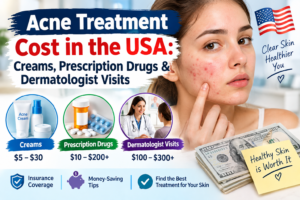
Here is an overview of estimated US costs. These figures are general budgeting estimates rather than guaranteed current prices; actual charges vary by location, pharmacy, brand, and insurance plan.
| Acne treatment | Estimated cost in the USA |
|---|---|
| Basic acne cleanser | $5–$20 |
| Over-the-counter acne cream or gel | $8–$30 |
| Adapalene gel | $12–$35 |
| Acne-friendly moisturizer | $8–$25 |
| Sunscreen for acne-prone skin | $10–$30 |
| Prescription topical medication | $20–$200+ |
| Oral prescription medication | $10–$150+ |
| Initial dermatologist consultation | $100–$300+ |
| Follow-up dermatologist visit | $50–$200+ |
| Professional chemical peel | $100–$300+ per session |
These estimates do not represent every available product or treatment. Prescription prices can be substantially higher for certain brand-name medications, and procedures may cost more in major metropolitan areas.
For people with mild acne, a basic skincare routine may be enough to get started. Moderate or severe acne, particularly acne that causes painful lumps or permanent scars, may require medical treatment.
1. Over-the-Counter Acne Creams and Products
Over-the-counter (OTC) acne treatments are often the most affordable starting point. They are available without a prescription from pharmacies, supermarkets, and online retailers throughout the United States.
The best product depends on the type of acne you have. Dermatologists commonly recommend ingredients such as benzoyl peroxide, salicylic acid, and adapalene for suitable patients.
Benzoyl Peroxide Creams and Gels
Benzoyl peroxide helps reduce acne-causing bacteria and is commonly used for inflammatory pimples. It is available in different strengths and product types, including cleansers, gels, and creams.
Estimated cost: $5–$25 per product.
Lower-cost generic products may provide the same active ingredient as more expensive brands. Starting with a lower concentration, such as 2.5% for a leave-on facial product, may help reduce irritation.
Benzoyl peroxide can cause dryness and may bleach towels, pillowcases, and clothing. Use it according to the product instructions and consider adding a gentle moisturizer.
Salicylic Acid Products
Salicylic acid helps unclog pores by loosening the buildup of dead skin cells. It is commonly found in acne cleansers, toners, and leave-on treatments.
Estimated cost: $6–$25 per product.
It may be particularly useful for blackheads and whiteheads. However, excessive use can cause dryness, redness, or peeling. Using several exfoliating products simultaneously may increase irritation without improving results.
Adapalene Gel
Adapalene is a topical retinoid that helps prevent clogged pores and treat several forms of acne. In the United States, adapalene 0.1% gel is available without a prescription.
Estimated cost: $12–$35 for some generic or store-brand products.
Adapalene may be a useful option for people experiencing recurring blackheads, whiteheads, and pimples. Results take time, and some users experience temporary dryness or irritation.
People who are pregnant or planning pregnancy should consult a healthcare professional before using topical retinoids.
The Cost of a Basic Acne Skincare Routine
A practical routine does not require dozens of products. A gentle cleanser, one appropriate acne treatment, a non-comedogenic moisturizer, and broad-spectrum sunscreen can provide a reasonable starting point.
Depending on product sizes and brands, a basic routine may cost approximately $30–$100 initially. Some products last several months, so the monthly replacement cost may be lower.
The American Academy of Dermatology recommends choosing appropriate active ingredients and giving treatment time to work. Many acne treatments need six to eight weeks before improvement becomes noticeable.
2. Prescription Acne Medications and Their Costs
When OTC products do not provide sufficient improvement, a healthcare professional may recommend prescription treatment. Prescription medications can be particularly helpful for persistent inflammatory acne, hormonal breakouts, and severe acne that may cause scarring.
The cost depends on the specific medication, whether a generic version is available, the pharmacy, and insurance coverage.
Prescription Tretinoin
Tretinoin is a topical retinoid used to treat acne by helping prevent clogged pores and encouraging skin cell turnover.
Estimated cost: $20–$200+ per tube without insurance, depending on the formulation, brand, and pharmacy.
Generic tretinoin may be less expensive than certain branded formulations. A dermatologist or other qualified prescriber can determine whether it is appropriate for your skin.
Tretinoin may cause dryness, peeling, and increased sensitivity to irritation. It should be used as directed, and people who are pregnant or planning pregnancy should seek professional advice before use.
Oral Antibiotics
For moderate to severe inflammatory acne, a dermatologist may prescribe an oral antibiotic such as doxycycline. These medications help reduce inflammation and are generally used for a limited period as part of a broader treatment plan.
Estimated cost: Approximately $10–$100+ per month for some generic prescriptions without insurance.
Prices vary by dosage, quantity, and pharmacy. Some treatments may cost more, especially when branded medications or additional services are involved.
Oral antibiotics should only be taken under medical supervision. They are not suitable for everyone and can cause side effects. Dermatologists often combine them with topical treatments, including benzoyl peroxide, to improve acne control and reduce the risk of antibiotic resistance.
Hormonal Acne Medications
Hormonal treatments may help some women who experience persistent breakouts around the chin, jawline, or lower face.
Options can include certain combined oral contraceptives or spironolactone, depending on individual medical circumstances.
Estimated cost: Approximately $10–$100+ per month for some generic medications, although insurance and formulation can significantly affect the final price.
These treatments require professional assessment. Hormonal medication is not suitable for everyone, and some options require specific precautions, monitoring, or pregnancy prevention.
Isotretinoin for Severe Acne
Isotretinoin is a powerful oral medication used for certain cases of severe acne, especially when other treatments have not worked adequately or the risk of scarring is substantial.
Estimated cost: The medication may cost tens to several hundred dollars or more per month without insurance, depending on the product and pharmacy. Medical visits and laboratory monitoring can add to the total.
Treatment requires careful supervision because isotretinoin can cause significant side effects and severe birth defects if taken during pregnancy. In the United States, patients must follow applicable safety and monitoring requirements.
Although isotretinoin may be effective for appropriately selected patients, it is not a first-line choice for every acne problem.
3. How Much Does a Dermatologist Visit Cost?
A dermatologist can identify the type of acne, evaluate its severity, and recommend a treatment plan suited to your skin.
In the United States, an initial consultation may cost approximately $100–$300 or more without insurance. Follow-up appointments may cost around $50–$200 or more.
These are broad estimates. Actual charges depend on the provider, the complexity of the visit, the region, and whether the appointment is billed as a specialist consultation.
What Happens During the First Appointment?
During an initial visit, the dermatologist typically examines your skin, asks about previous treatments, and reviews your medical history. They may discuss prescription medication, skincare habits, potential triggers, and the risk of scarring.
The consultation fee generally covers the professional visit, but it may not include prescription drugs, laboratory tests, procedures, or other services.
Does Health Insurance Cover Acne Treatment?
Many US health insurance plans cover medically necessary dermatology consultations and some prescription acne medications, subject to the plan’s rules. However, coverage varies.
Patients may need to pay a deductible, copayment, or coinsurance. Some plans require a referral or prior authorization, and cosmetic procedures are often treated differently from medically necessary care.
Before booking an appointment, contact your insurance company and ask whether the dermatologist is in-network, what your specialist copayment is, and whether your intended medication is covered.
4. Professional Acne Treatments and Procedure Costs
Some people need additional procedures for persistent acne or the marks left behind after breakouts. These services can increase the overall cost of treatment.
Chemical Peels
Professional chemical peels use selected acids to exfoliate the skin. Certain peels may help some patients with acne or post-acne discoloration.
Estimated cost: $100–$300+ per session.
Several sessions may be recommended, depending on the treatment and the person’s skin. Peels are not appropriate for everyone, and poorly selected or improperly performed treatments can cause irritation or pigmentation changes.
Corticosteroid Injections for Large Pimples
A dermatologist may inject a small amount of corticosteroid into selected large, painful acne lesions to reduce swelling more quickly.
Estimated cost: Often around $50–$200+ when billed separately, although some practices include the procedure in the visit fee.
The final charge depends on the clinic and whether a separate consultation is required. This procedure is intended for selected lesions rather than routine treatment of all acne.
Acne Scar Treatments
Acne scars are different from active pimples. Depending on the type of scar, treatment may involve microneedling, laser procedures, chemical peels, or other specialist techniques.
Estimated cost: Approximately $200–$1,000+ per session for some professional procedures, with certain laser treatments costing considerably more.
Scar treatment is often elective and may not be covered by insurance. A dermatologist can explain which approach is appropriate and whether active acne should be controlled before starting scar treatment.
5. What Is the Total Monthly Cost of Acne Treatment?
Your total expense depends on the severity of your acne and the treatment plan.
Consider these illustrative budgets:
| Treatment approach | Estimated budget |
|---|---|
| Basic OTC skincare | $20–$60 per month |
| Expanded OTC routine | $40–$100 per month |
| Prescription treatment plus basic skincare | $40–$250+ per month |
| Specialist care with medication and monitoring | Highly variable |
These examples are not personalized medical quotes. The first month may be more expensive because you might need an initial consultation, a prescription, and several skincare products. Subsequent costs may decrease, although follow-up visits and repeat prescriptions can continue.
A person with mild acne may spend less by starting with one appropriate OTC active ingredient rather than purchasing multiple products. Someone with painful cystic acne may benefit from professional treatment earlier, potentially reducing the risk of long-term scarring.
6. How to Save Money on Acne Treatment in the USA
Managing acne does not necessarily mean purchasing expensive skincare products. A few practical steps can help control costs.
Choose generic medications when appropriate. Generic products may offer a lower-cost alternative to brand-name treatments with the same active ingredient. Ask your prescriber or pharmacist whether a generic is suitable.
Compare pharmacy prices. Prescription prices can vary between pharmacies. Check your insurance’s preferred pharmacy and ask about legitimate discount programs when paying out of pocket.
Avoid buying too many products. Combining several strong ingredients can irritate your skin and increase expenses. Start with a simple routine and follow the product directions.
Check your insurance benefits. Confirm specialist copayments, prescription coverage, deductibles, and prior authorization requirements before beginning treatment.
Use products consistently. Acne treatments often need several weeks to work. Frequently switching products can make it harder to determine what helps and may lead to unnecessary spending.
Ask about lower-cost options. A dermatologist may be able to recommend generic prescriptions, appropriate OTC products, or a treatment schedule that fits your budget.
7. When Should You See a Dermatologist?
OTC products can be suitable for mild acne, but professional advice is important when breakouts are painful, deep, persistent, or leaving scars.
Consider arranging a dermatology appointment if acne does not improve after six to eight weeks of consistent treatment, keeps returning, or significantly affects your confidence and daily life.
Seek professional guidance sooner if you have large nodules, developing scars, widespread inflammation, or symptoms that suggest another skin condition.
Avoid squeezing pimples or using harsh home remedies. These practices can worsen inflammation, increase irritation, and contribute to scarring or discoloration.
Frequently Asked Questions About Acne Treatment Costs
What is the cheapest acne treatment in the USA?
Some OTC products containing benzoyl peroxide or salicylic acid cost around $5–$15. The most suitable option depends on your acne type, skin sensitivity, and other health considerations.
How much does prescription acne medication cost without insurance?
Some generic prescriptions may cost around $10–$100 per month, while other topical and oral medications can cost $200 or more. The exact price depends on the medication, dosage, pharmacy, and treatment duration.
Is seeing a dermatologist worth the cost?
A dermatologist can diagnose your acne and recommend an appropriate treatment plan. Professional care can be particularly valuable for severe acne, painful cysts, persistent breakouts, or acne that is causing scars.
Does insurance pay for acne medication?
Some health plans cover acne prescriptions and medically necessary consultations, but coverage varies by plan and medication. Check your formulary, deductible, and copayment before filling a prescription.
How long does acne treatment take to work?
Many treatments require six to eight weeks before you notice fewer breakouts. More significant improvement may take several months, depending on acne severity and the treatment used.
Are expensive acne creams better than cheap ones?
Not necessarily. The active ingredient, appropriate formulation, and consistent use matter more than the price alone. A lower-cost generic product may be effective when it is suitable for your skin.
Conclusion
The cost of acne treatment in the USA ranges from a few dollars for basic OTC products to hundreds of dollars for specialist visits, prescription medications, and professional procedures. Mild acne may respond to a simple skincare routine, while persistent or severe acne may require medical treatment and ongoing monitoring.
The smartest approach is to select treatments based on the type and severity of your acne rather than the price or popularity of a product. Compare pharmacy costs, review your insurance coverage, and consult a qualified healthcare professional when needed. With a suitable treatment plan and patience, many people can improve their acne while keeping expenses manageable.
Medical disclaimer: This article is for general educational purposes only and does not replace individualized medical advice. Treatment choices and costs should be confirmed with a qualified healthcare professional and your insurance provider.