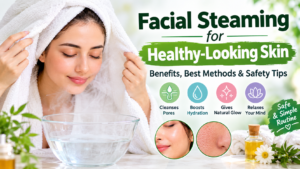

Facial steaming is a simple skincare practice that has been used for years to help the skin feel clean, soft, and refreshed. The process involves exposing the face to gentle warm steam for a short period. Many people include facial steaming in their beauty routine because it can create a relaxing spa-like experience without requiring expensive products.
However, it’s really is good for your skin. What is the frequency of steam? Does it help with acne, dry skin, or clogged pores?
The answer depends on your skin type, the temperature of the steam, and how frequently you use it. While excessive heat or frequent steaming can cause irritation, redness, and dryness, facial steaming may momentarily soften surface debris and hydrate the skin.
The possible advantages of steaming your face, the best techniques, how to do it safely, and mistakes to avoid are all covered in this guide.
What Is Facial Steaming?
Facial steaming is a skincare technique in which the face is exposed to warm, moist air for a limited amount of time. You can use a facial steamer designed specifically for skincare or create gentle steam from warm water.
The warmth can temporarily increase blood flow near the surface of the skin and soften oil, sweat, and buildup. This may make cleansing feel easier and leave the skin feeling smoother.
However, facial steaming does not literally “open” pores. Pores do not have muscles that open and close like doors. Instead, warmth may soften material around pores and temporarily change how the skin feels and looks.
Benefits of Facial Steaming for Healthy-Looking Skin
1. Helps Soften Surface Buildup
One of the most common reasons people steam their face is to loosen surface buildup.
Warm moisture can soften dead skin cells, excess oil, and other impurities sitting on the skin. After steaming, gentle cleansing may feel more effective because the surface has been softened.
However, steaming alone does not remove blackheads or deeply clogged pores.
2. May Make Skin Feel More Hydrated
Steam adds moisture to the surface of the skin, which can temporarily make it feel softer and more comfortable.
People with normal or slightly dry skin may enjoy this temporary hydrated feeling, especially when steaming is followed by a gentle moisturizer.
It is important to remember that steam does not replace a moisturizer. Water can evaporate from the skin after the treatment, so applying moisturizer afterward is useful for helping support the skin barrier.
3. Creates a Healthy-Looking Glow
Facial steaming may temporarily increase circulation near the skin’s surface. This can give the face a warm, fresh, or slightly glowing appearance immediately after steaming.
The effect is usually temporary rather than a permanent improvement in skin tone.
For long-term healthy-looking skin, daily sunscreen, gentle cleansing, adequate moisturization, and a consistent skincare routine are more important.
4. Can Help You Relax
Skincare is not only about appearance. Facial steaming can also become a relaxing self-care ritual.
Sitting comfortably with gentle warmth for a few minutes may feel soothing and refreshing, particularly when incorporated into an evening skincare routine.
The relaxing experience may be one of the biggest practical benefits for people who enjoy home spa treatments.
5. May Make Cleansing Feel More Comfortable
Warm moisture can soften oil and surface debris before cleansing. For some people, this can make the face feel easier to clean.
However, you do not need to steam your face to cleanse it properly. A mild cleanser and lukewarm water are generally enough for everyday cleansing.
6. Can Prepare Skin for the Rest of Your Routine
After steaming, the skin may feel softer and more receptive to gentle skincare products.
A simple routine can include:
- Gentle cleansing
- Short facial steaming
- Hydrating serum, if desired
- Moisturizer
- Sunscreen during the daytime
Avoid using multiple strong active ingredients immediately after steaming if your skin is sensitive. Heat can make some people more prone to irritation.
Does Facial Steaming Open Your Pores?
A common skincare myth is that steam opens pores and cold water closes them.
The reality is more complicated.
Unlike doors, pores do not physically open and close. Warmth can temporarily alter blood flow and skin appearance, as well as soften sebum and surface debris.
Facial steaming does not permanently reduce or increase pores, but it may temporarily make them appear cleaner or more noticeable.
Depending on your skin type and concerns, ingredients like niacinamide, salicylic acid, retinoids, and daily sunscreen may be more pertinent if your primary concern is enlarged-looking pores.
Best Ways to Steam Your Face
There are several ways to include facial steaming in your skincare routine.
Method 1: Facial Steamer
A dedicated facial steamer is one of the easiest options.
Fill the device according to the manufacturer’s instructions and allow it to produce gentle steam. Keep your face at the recommended distance rather than placing it directly over the steam outlet.
Steam for a short period, generally around 5 to 10 minutes, depending on your skin’s tolerance and the device instructions.
The steam should feel warm and comfortable, never painfully hot.
Method 2: Warm Shower
A warm shower can naturally expose your face to humid air.
This is often a simpler alternative to using a separate facial steamer. You do not need extremely hot water. A comfortable warm shower is sufficient to create a humid environment.
Afterward, gently cleanse your face and apply moisturizer.
Method 3: Warm Compress
A warm, clean washcloth can provide gentle warmth without producing concentrated steam.
Soak a clean cloth in comfortably warm water, wring it out, and place it gently over the face for a short time.
This method can be particularly useful for people who find direct steam uncomfortable.
How to Steam Your Face Safely
Facial steaming is generally simple, but excessive heat can damage or irritate the skin.
Follow these safety tips:
Keep the Temperature Comfortable
Never use extremely hot steam.
If your face feels burning, painful, or intensely uncomfortable, stop immediately.
Limit the Time
Longer steaming is not necessarily better.
A short session is usually enough for a relaxing skincare routine. Spending too long in intense heat can increase redness and irritation.
Keep Your Face at a Safe Distance
Do not place your face directly over boiling water.
If using a bowl method, allow the water to cool slightly and maintain a comfortable distance. Avoid covering your head tightly with a towel over very hot water because this can trap excessive heat.
Do Not Steam Broken or Severely Irritated Skin
Avoid facial steaming if your skin is actively damaged, severely irritated, sunburned, or painful.
Heat may worsen inflammation and discomfort.
Moisturize Afterward
Once you finish steaming, gently pat your skin dry rather than rubbing it.
Apply a fragrance-free moisturizer suited to your skin type. This helps reduce the chance of dryness after the warm treatment.
Is Facial Steaming Good for Acne?
Facial steaming is not an acne treatment by itself.
Although warmth may soften surface oil and buildup, steam does not kill acne-causing bacteria or remove deep acne lesions.
Individuals who are also need to be cautious.
If you have acne, a more evidence-based skincare routine may include gentle cleansing, non-comedogenic moisturizer, sunscreen, and appropriate acne ingredients such as salicylic acid or benzoyl peroxide when suitable.
Pimples should not be squeezed right away after steaming. Inflammation and scarring may result from manipulating acne lesions.
Facial Steaming for Dry Skin
People with dry skin may enjoy the temporary softening effect of facial steaming.
However, excessive heat can make dryness worse by irritating the skin barrier.
If you have dry skin, keep the steaming session short and gentle. Follow it immediately with a moisturizing product containing ingredients such as ceramides, glycerin, or hyaluronic acid.
Avoid very hot water and harsh exfoliation.
Facial Steaming for Oily Skin
For oily skin, steaming may temporarily soften excess sebum and surface buildup.
However, steaming does not permanently reduce oil production.
If your skin becomes greasy frequently, avoid repeatedly steaming for long periods. A gentle cleanser and appropriate skincare ingredients are usually more useful for controlling excess oil.
Facial Steaming for Sensitive Skin
Sensitive skin requires extra caution.
Heat can trigger redness, burning, itching, or discomfort in people with easily irritated skin.
If you have sensitive skin, consider skipping facial steaming or using a warm compress instead.
Always test your tolerance with a short session and stop if irritation develops.
How Often Should You Steam Your Face?
There is no universal requirement to steam your face.
For many people, facial steaming is best treated as an occasional skincare step rather than a daily habit.
If you enjoy it and your skin tolerates it well, an occasional short session may be reasonable. People with sensitive, dry, rosacea-prone, or easily irritated skin may need to avoid it altogether.
Your regular skincare routine should remain the foundation of healthy-looking skin.
What Should You Do After Facial Steaming?
After steaming, keep the rest of your routine simple.
Step 1: Gently pat your face dry.
Step 2: Apply a hydrating serum if it is already part of your routine.
Step 3: Apply moisturizer to help support the skin barrier.
Step 4: If steaming during the daytime, finish with broad-spectrum sunscreen.
Avoid immediately following steam with aggressive scrubs, strong exfoliating acids, or other irritating treatments unless you already know your skin tolerates them.
Common Facial Steaming Mistakes
Using Boiling Water
Boiling water creates a burn risk and should never be placed directly under your face.
Steaming for Too Long
More steam does not automatically mean better skin. Excessive heat can lead to redness and irritation.
Scrubbing After Steam
Some people believe steaming means they should aggressively scrub away blackheads. This can damage the skin and worsen inflammation.
Adding Essential Oils Without Caution
Natural does not always mean safe for facial skin. Essential oils can cause irritation or allergic reactions, especially on sensitive skin.
Using Steam Every Day
Daily intense steaming is unnecessary for most people and may contribute to irritation.
Who Should Avoid Facial Steaming?
People with certain skin conditions or a history of strong reactions to heat should be cautious.
You may want to avoid facial steaming if you have:
- Very sensitive skin
- Active sunburn
- Significant skin irritation
- Broken or damaged skin
- Frequent flushing triggered by heat
- A condition that becomes worse with heat
If you have a diagnosed skin condition such as rosacea or another inflammatory skin disorder, ask a dermatologist whether heat exposure is appropriate for your skin.
Frequently Asked Questions
Does facial steaming remove blackheads?
Facial steaming may soften surface oil and debris, but it does not reliably remove blackheads. Avoid squeezing blackheads after steaming because aggressive extraction can damage the skin.
Can facial steaming make your skin glow?
It can temporarily make the skin look fresh or flushed because of warmth and increased surface blood flow. This glow is usually temporary.
Is steaming good for dry skin?
Short, gentle steaming may feel soothing for some people with dry skin, but excessive heat can worsen dryness. Always moisturize afterward.
Can I steam my face every day?
Daily facial steaming is generally unnecessary. Frequent heat exposure may irritate sensitive or dry skin.
Should I wash my face before or after steaming?
A gentle cleanse before steaming can remove surface makeup, sunscreen, and dirt. After steaming, avoid aggressive scrubbing and simply continue with a gentle hydrating routine.
Is facial steaming good for acne?
Steam may soften surface buildup, but it does not treat the underlying causes of acne. Acne-prone skin should focus on an appropriate evidence-based skincare routine.
Final Thoughts
Facial steaming for healthy-looking skin can be a pleasant addition to an occasional skincare routine. Gentle warmth may temporarily soften surface buildup, make the skin feel hydrated, support a fresh-looking complexion, and provide a relaxing self-care experience.
However, facial steaming is not a miracle treatment. It does not permanently shrink pores, cure acne, remove deep blackheads, or replace proven skincare habits.
The safest approach is to use comfortable—not hot—steam for a short period and stop if your skin becomes red, painful, or irritated. Follow steaming with a gentle moisturizer, and prioritize daily sunscreen, cleansing, hydration, and skin-barrier care for long-term skin health.
If your skin is very sensitive, frequently flushed, or affected by a skin condition, a dermatologist can help determine whether facial steaming is appropriate for you.