

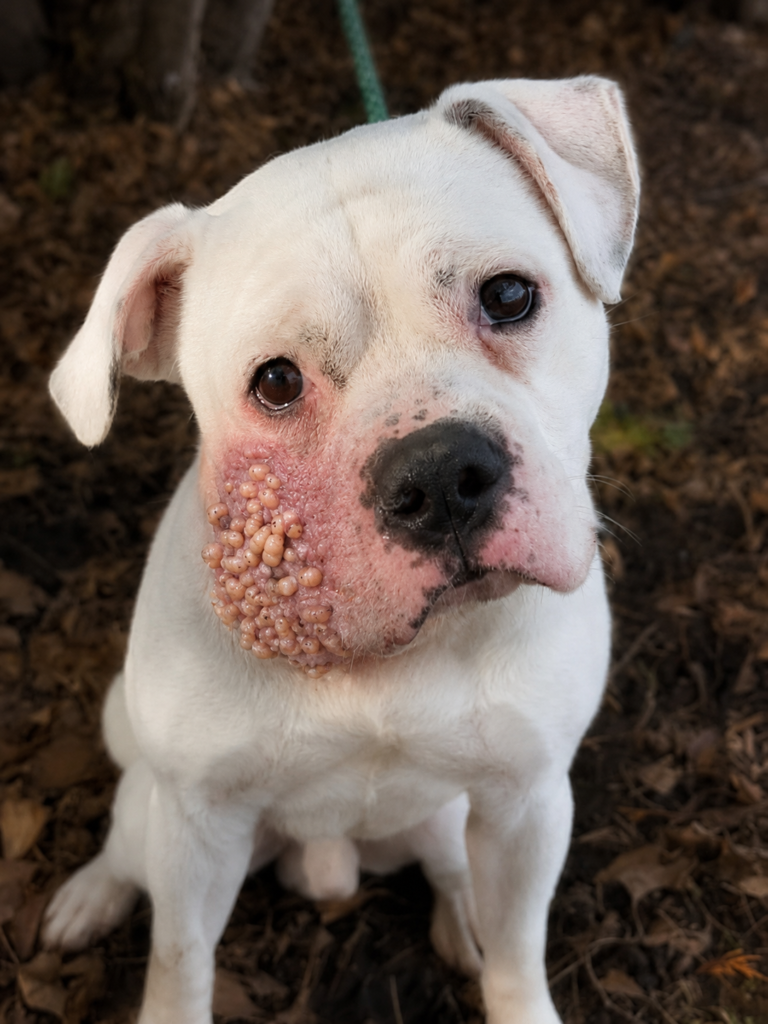
Summer is one of the best seasons for outdoor adventures with your furry friend. Longer days, sunny parks, hiking trails, and beach trips create unforgettable memories. However, hot weather also brings serious health risks for dogs. Unlike humans, dogs cannot cool themselves efficiently through sweating. They mainly regulate their body temperature by panting, making them much more vulnerable to overheating.
Understanding proper summer safety tips for dogs can help prevent dangerous situations such as heatstroke, dehydration, burned paw pads, and sunburn. Whether you own a playful puppy or a senior dog, taking a few extra precautions during the warmer months can keep your pet happy, healthy, and comfortable.
This complete guide covers everything every dog owner should know about keeping dogs safe during summer.
Why Summer Can Be Dangerous for Dogs
Dogs naturally have a higher body temperature than humans. During extremely hot days, their bodies struggle to release excess heat.
Common summer dangers include:
- Heatstroke
- Dehydration
- Hot pavement burns
- Sunburn
- Insect bites
- Water-related accidents
- Poisonous plants
- Food poisoning from spoiled picnic food
Certain dogs face an even greater risk, including:
- Puppies
- Senior dogs
- Overweight dogs
- Flat-faced breeds like Bulldogs, Pugs, and Boxers
- Dogs with heart or respiratory diseases
- Dogs with thick double coats
Knowing these risks helps you protect your pet before problems occur.
1. Always Provide Fresh Water
Hydration is the most important part of summer dog care.
Dogs lose water quickly through panting, especially during exercise.
Tips for keeping your dog hydrated:
- Refill the water bowl several times daily.
- Bring portable water bottles on walks.
- Offer water every 15–20 minutes during outdoor activities.
- Add ice cubes to outdoor water bowls.
- Keep multiple water stations around your home.
Signs of dehydration include:
- Dry nose
- Sticky gums
- Sunken eyes
- Loss of energy
- Excessive panting
If your dog refuses water and seems weak, contact your veterinarian immediately.
2. Never Leave Your Dog Inside a Parked Car
Even with windows cracked open, the temperature inside a parked vehicle rises incredibly fast.
Within minutes, the interior can become dangerously hot, leading to heatstroke or death.
If you need to run errands, leave your dog safely at home.
This simple decision could save your pet’s life.
3. Walk During Cooler Hours
Midday temperatures are often too high for safe walks.
The best walking times are:
- Early morning
- Late evening
- After sunset
These cooler periods reduce the risk of overheating and paw injuries.
Always carry water during walks.
4. Protect Your Dog’s Paws
Sidewalks and asphalt absorb heat quickly.
If the pavement feels too hot for your hand, it is too hot for your dog’s paws.
The “7-second test” is simple:
Place the back of your hand on the pavement for seven seconds.
If you cannot keep it there comfortably, your dog should not walk on it.
Alternative options include:
- Grass paths
- Dirt trails
- Dog booties
- Shaded sidewalks
Burned paw pads can be painful and may require veterinary treatment.
5. Watch for Signs of Heatstroke
Heatstroke is a medical emergency.
Early warning signs include:
- Heavy panting
- Bright red gums
- Drooling
- Weakness
- Vomiting
- Rapid heartbeat
- Confusion
Advanced symptoms include:
- Collapse
- Seizures
- Loss of consciousness
If you suspect heatstroke:
- Move your dog into shade.
- Offer cool (not ice-cold) water.
- Apply cool wet towels.
- Turn on a fan if available.
- Contact your veterinarian immediately.
Quick action can save your dog’s life.
6. Provide Plenty of Shade
Dogs should always have access to shade when outdoors.
Good shaded areas include:
- Trees
- Covered patios
- Dog tents
- Umbrellas
- Gazebos
Never tie your dog in direct sunlight for extended periods.
Outdoor dogs need constant access to both water and shade throughout the day.
7. Avoid Overexercising
Dogs love playing, but intense exercise in hot weather can quickly become dangerous.
Reduce activity when temperatures are high.
Choose lighter activities like:
- Short walks
- Indoor games
- Puzzle toys
- Gentle fetch sessions
Watch your dog’s breathing closely during exercise.
If they begin panting heavily, stop immediately and allow them to rest.
8. Keep Your Home Cool
Indoor temperatures can also become uncomfortable.
Ways to help your dog stay cool include:
- Air conditioning
- Fans
- Cooling mats
- Ceramic tile flooring
- Frozen dog-safe treats
Many dogs naturally seek cool surfaces during hot weather.
Allow them to rest where they feel comfortable.
9. Use Dog-Safe Sunscreen
Dogs can get sunburn too.
Areas most at risk include:
- Nose
- Ears
- Belly
- Thin-haired skin
Use only sunscreen specifically made for dogs.
Never apply human sunscreen because some ingredients, including zinc oxide, can be toxic if licked.
10. Be Careful Around Water
Many dogs enjoy swimming, but not every dog is a strong swimmer.
Water safety tips:
- Supervise your dog at all times.
- Use a canine life jacket for boating.
- Rinse off chlorine or saltwater after swimming.
- Prevent your dog from drinking pool or ocean water.
Fresh drinking water should always be available after swimming.
11. Keep Parasites Away
Summer increases exposure to:
- Fleas
- Ticks
- Mosquitoes
These pests can spread serious diseases.
Prevent infestations by:
- Using veterinarian-approved flea prevention
- Checking your dog after walks
- Keeping grass trimmed
- Washing bedding regularly
Early prevention is much easier than treating an infestation.
12. Feed Safe Summer Treats
Frozen treats can help dogs cool down.
Healthy options include:
- Frozen blueberries
- Frozen watermelon (seedless)
- Plain yogurt treats
- Frozen carrots
- Ice cubes made from low-sodium broth
Avoid foods toxic to dogs, including grapes, raisins, onions, chocolate, and xylitol.
13. Groom Your Dog Properly
Regular brushing removes loose fur and improves airflow through the coat.
Avoid shaving double-coated breeds unless recommended by a veterinarian or professional groomer.
Their coat actually helps regulate body temperature and provides protection from sun exposure.
14. Know Emergency Warning Signs
Seek immediate veterinary care if your dog shows:
- Difficulty breathing
- Continuous vomiting
- Bloody diarrhea
- Collapse
- Extreme weakness
- Seizures
- High body temperature
- Unresponsiveness
Fast treatment greatly improves recovery chances.
Extra Summer Travel Tips
If you’re taking your dog on vacation:
- Pack enough food.
- Bring medications.
- Carry a first-aid kit.
- Keep vaccination records.
- Bring a portable water bowl.
- Use proper identification tags.
- Never leave your dog unattended outdoors.
Planning ahead makes travel safer and less stressful.
Final Thoughts
Summer should be an enjoyable season for both you and your dog. With proper preparation, you can prevent most heat-related illnesses and keep your pet comfortable throughout the warmer months.
Simple habits such as providing fresh water, avoiding hot pavement, limiting exercise during peak heat, and recognizing early signs of heatstroke can make a significant difference. Always prioritize your dog’s comfort over outdoor activities, especially on extremely hot days.
By following these summer safety tips for dogs, you’ll help your loyal companion stay healthy, active, and ready to enjoy every sunny adventure safely.
Frequently Asked Questions (FAQs)
How hot is too hot to walk a dog?
Generally, temperatures above 85°F (29°C) can become risky, especially with high humidity. Walk your dog early in the morning or later in the evening.
Can dogs get sunburn?
Yes. Dogs with light-colored or thin coats are especially vulnerable. Use a dog-safe sunscreen on exposed areas.
What are the first signs of heatstroke in dogs?
Heavy panting, excessive drooling, bright red gums, weakness, vomiting, and confusion are common early signs.
How can I cool my dog down safely?
Move your dog to a shaded or air-conditioned area, offer cool water, apply cool wet towels, and contact your veterinarian if symptoms persist.
Should I shave my dog in summer?
Not always. Many double-coated breeds rely on their coat for insulation and sun protection. Consult a professional groomer or veterinarian before shaving..
