

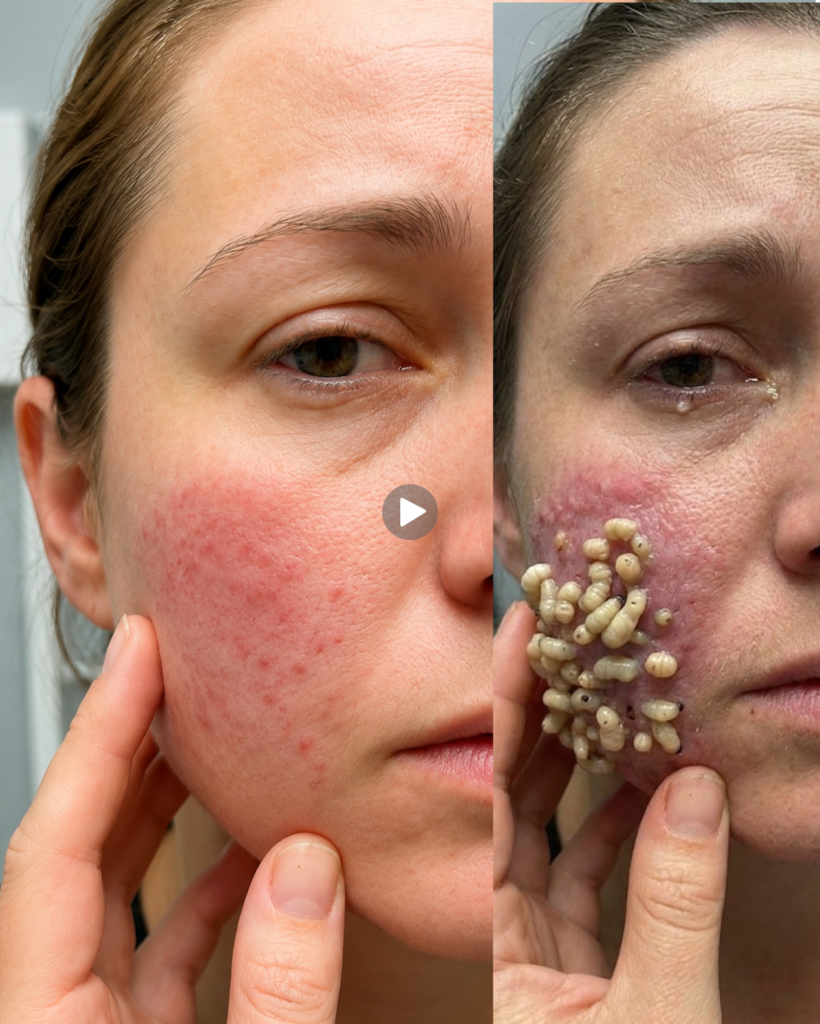
Facial skin problems can range from simple acne to serious infections. Sometimes images shared online appear to show unusual growths or parasite-like structures on the skin. However, it is impossible to confirm a medical diagnosis from a photograph alone. Many edited images, special effects, or uncommon medical conditions can look similar.
If someone develops painful swelling, redness, pus, or unusual growths on the face, they should seek evaluation from a qualified healthcare professional or dermatologist as soon as possible.
This guide explains the possible causes of unusual facial skin lesions, warning signs, diagnosis, treatment, and prevention.
What Are Unusual Facial Skin Lesions?
A facial skin lesion is any abnormal change affecting the skin. These changes may include:
- Raised bumps
- Swelling
- Blisters
- Nodules
- Ulcers
- Cysts
- Abscesses
- Infected wounds
Some lesions develop gradually, while others appear suddenly due to infection, injury, allergic reactions, or underlying medical conditions.
Can a Photo Diagnose the Condition?
No.
Although images may look alarming, a photograph cannot confirm whether the cause is:
- A bacterial infection
- A fungal infection
- A parasitic infestation
- Severe acne
- A skin cyst
- An inflammatory disease
- Digital image manipulation
Only a medical examination and, if necessary, laboratory testing can determine the real cause.
Possible Causes of Severe Facial Skin Lesions
1. Bacterial Skin Infection
Bacteria can enter the skin through tiny cuts or damaged tissue.
Symptoms include:
- Redness
- Pain
- Swelling
- Warm skin
- Pus
- Fever
Common bacterial infections include cellulitis and abscesses.
2. Inflamed Cysts
Sebaceous or epidermoid cysts can become infected.
Signs include:
- Large lump
- Tenderness
- Drainage
- Swelling
- Skin redness
Some cysts require drainage or surgical removal.
3. Severe Acne
Advanced acne may lead to:
- Deep cysts
- Painful nodules
- Scarring
- Inflammation
Dermatologists can recommend medications to reduce inflammation and prevent permanent scars.
4. Allergic Skin Reactions
Certain cosmetics, medications, or chemicals may trigger:
- Rash
- Swelling
- Itching
- Blisters
- Red patches
Avoiding the trigger often helps improve symptoms.
5. Rare Skin Conditions
Some uncommon inflammatory or autoimmune disorders may produce unusual facial lesions. These require specialist evaluation and should not be self-treated.
Warning Signs That Need Immediate Medical Care
Seek urgent medical attention if you experience:
- Rapidly spreading redness
- Severe facial swelling
- High fever
- Difficulty breathing
- Difficulty swallowing
- Severe pain
- Vision changes
- Large amounts of pus
- Bleeding that won’t stop
Prompt treatment can prevent serious complications.
How Doctors Diagnose Facial Skin Problems
Diagnosis may involve:
- Physical examination
- Medical history
- Skin swab
- Blood tests
- Skin biopsy
- Imaging (if needed)
A dermatologist may also examine the lesion under magnification.
Treatment Options
Treatment depends entirely on the underlying cause.
Possible treatments include:
Antibiotics
Used for confirmed bacterial infections.
Antifungal Medication
For fungal skin infections.
Drainage Procedures
Large abscesses sometimes require drainage by a healthcare professional.
Prescription Creams
Doctors may recommend:
- Antibiotic creams
- Steroid creams (only when appropriate)
- Anti-inflammatory medications
Surgery
Some cysts or growths may need surgical removal.
Home Care Tips
While waiting to see a healthcare provider:
- Keep the area clean.
- Wash gently with mild soap.
- Avoid scratching or squeezing lesions.
- Do not attempt to remove any material yourself.
- Avoid sharing towels or makeup.
- Stay hydrated.
- Follow your doctor’s instructions.
What You Should Never Do
Avoid these common mistakes:
- Picking at the lesion
- Using sharp tools
- Applying unknown chemicals
- Using animal medications
- Ignoring worsening symptoms
- Delaying medical evaluation
Improper treatment may increase infection risk and lead to scarring.
Can These Skin Problems Be Prevented?
Although not every condition is preventable, healthy skin habits can reduce the risk.
Helpful habits include:
- Washing your face daily
- Using clean makeup brushes
- Removing makeup before sleeping
- Avoiding touching your face with dirty hands
- Treating acne early
- Protecting skin from injuries
- Eating a balanced diet
- Staying hydrated
When Should You Visit a Dermatologist?
Schedule an appointment if:
- The lesion grows quickly.
- It becomes increasingly painful.
- Home care does not help after a few days.
- You develop fever.
- The lesion keeps returning.
- There is persistent drainage or bleeding.
- You notice significant skin changes.
Early diagnosis often leads to better outcomes.
Frequently Asked Questions (FAQs)
Is this definitely caused by parasites?
Not necessarily. Images alone cannot confirm parasites or any other specific diagnosis.
Can I treat this at home?
Minor skin irritation may improve with gentle skin care, but severe or unusual facial lesions should be evaluated by a healthcare professional.
Should I pop or squeeze it?
No. Squeezing can worsen infection, increase inflammation, and cause permanent scarring.
Can this spread?
Some skin infections are contagious, while many inflammatory conditions are not. A doctor can determine the exact cause.
Will it leave scars?
Some severe skin conditions may scar if treatment is delayed. Early medical care can reduce this risk.
Final Thoughts
Unusual facial skin lesions can have many different causes, including infections, inflamed cysts, allergic reactions, and other skin disorders. Because photographs cannot provide a reliable diagnosis, it is important not to assume the cause based on appearance alone. If a lesion is painful, rapidly worsening, or accompanied by fever or swelling, seek prompt evaluation from a healthcare professional.
Proper diagnosis and timely treatment can help prevent complications, reduce discomfort, and improve healing while protecting the long-term health of your skin.
