

Introduction
Neck pimples are a common skin problem that can affect people of all ages. While acne is often associated with the face, pimples can also appear on the neck, causing discomfort, redness, irritation, and even pain. Neck acne may develop due to clogged pores, excessive oil production, sweat, hormonal changes, or poor skincare habits. Understanding the causes and learning effective treatment methods can help you achieve clearer and healthier skin.
In this article, we will discuss the causes of neck pimples, how to treat them, and the best prevention tips to keep your skin healthy.
What Are Neck Pimples?
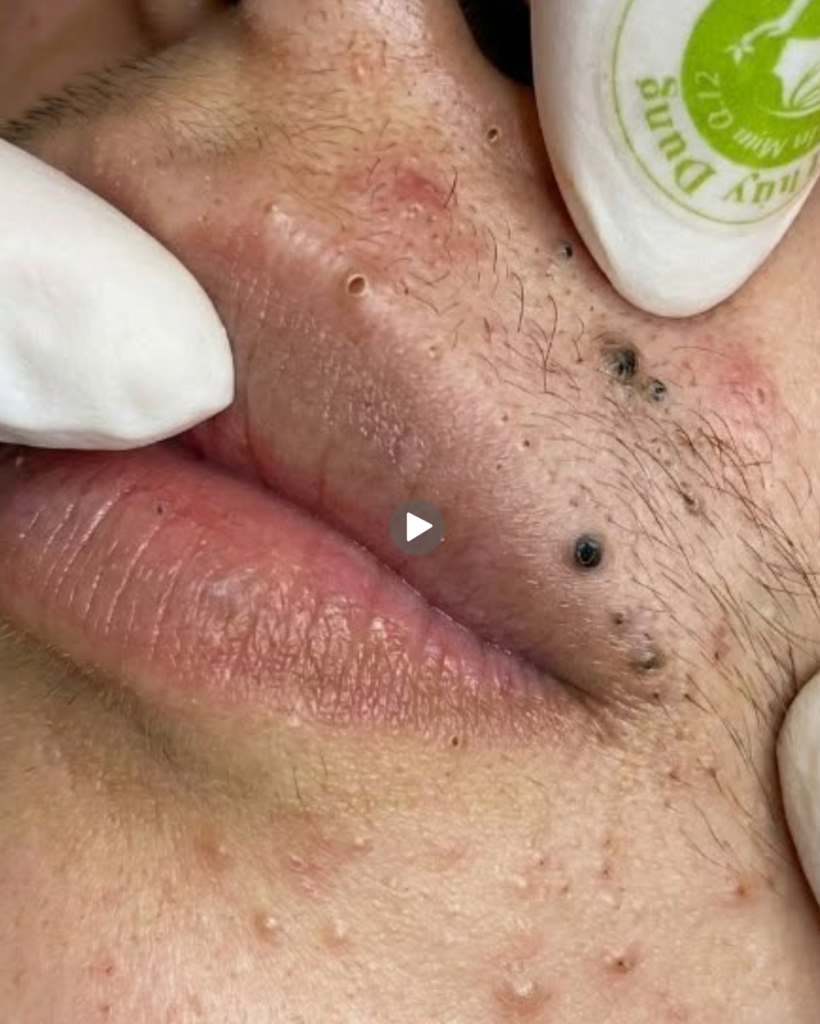
Neck pimples are inflamed bumps that form when hair follicles become clogged with oil, dead skin cells, and bacteria. They can appear as whiteheads, blackheads, papules, pustules, or painful cystic acne.
Some people experience occasional pimples on the neck, while others struggle with persistent breakouts. Identifying the underlying cause is the first step toward effective treatment.
Common Causes of Neck Pimples
1. Excess Oil Production
The skin naturally produces oil called sebum. When too much sebum is produced, it can clog pores and create an environment where acne-causing bacteria thrive.
2. Hormonal Changes
Hormonal fluctuations are one of the leading causes of acne. Teenagers, pregnant women, and adults experiencing hormonal imbalances may notice pimples developing on the neck and jawline.
3. Sweat and Friction
Sweat trapped against the skin can clog pores and lead to breakouts. Tight collars, scarves, sports equipment, and clothing that rubs against the neck can worsen the condition.
4. Poor Hygiene
Failing to wash the neck regularly can allow dirt, oil, and bacteria to accumulate, increasing the risk of acne.
5. Hair Products
Hair sprays, gels, oils, and conditioners can transfer onto the neck and clog pores, causing acne breakouts.
6. Stress
Stress triggers the release of hormones that increase oil production, making acne more likely to develop.
7. Diet
Some studies suggest that diets high in sugar and processed foods may contribute to acne in certain individuals.
Symptoms of Neck Acne
Neck pimples can present in various forms, including:
- Small red bumps
- Whiteheads
- Blackheads
- Pus-filled pimples
- Painful cysts
- Skin redness and irritation
- Tenderness when touched
Severe cases may lead to scarring if not treated properly.
How to Treat Neck Pimples
1. Cleanse the Area Daily
Wash your neck twice daily using a gentle cleanser. Avoid harsh soaps that strip the skin of its natural oils.
Look for cleansers containing:
- Salicylic Acid
- Benzoyl Peroxide
- Tea Tree Oil
These ingredients help remove excess oil and reduce acne-causing bacteria.
2. Use Salicylic Acid
Salicylic acid penetrates deep into the pores and removes dead skin cells. It is effective for treating mild to moderate neck acne.
Apply a salicylic acid product once daily and gradually increase use if your skin tolerates it.
3. Apply Benzoyl Peroxide
Benzoyl peroxide kills acne-causing bacteria and reduces inflammation. It is available in various strengths and can be used as a spot treatment.
4. Avoid Picking or Squeezing Pimples
Many people attempt to pop pimples, but this can worsen inflammation and increase the risk of infection and scarring.
5. Keep the Area Dry
If you sweat frequently, shower after exercise and change into clean clothing. Keeping the neck dry helps prevent clogged pores.
6. Use Non-Comedogenic Products
Choose skincare and haircare products labeled “non-comedogenic,” meaning they are less likely to clog pores.
Home Remedies for Neck Pimples
Aloe Vera
Aloe vera contains anti-inflammatory and antibacterial properties that may soothe irritated skin.
Apply fresh aloe vera gel to the affected area for 15–20 minutes before rinsing.
Honey
Honey has natural antibacterial properties that may help reduce acne-causing bacteria.
Apply a thin layer of raw honey to the neck and leave it on for 15 minutes before washing.
Tea Tree Oil
Tea tree oil is known for its antimicrobial effects. Always dilute it before applying to the skin to avoid irritation.
Ice Therapy
Applying an ice pack wrapped in a cloth can reduce swelling and redness associated with inflamed pimples.
Lifestyle Changes to Prevent Neck Acne
Wash Pillowcases Regularly
Dirty pillowcases collect oil, sweat, and bacteria that can transfer to your skin.
Change pillowcases at least once a week.
Avoid Tight Clothing
Tight collars and clothing can create friction and trap sweat against the skin.
Choose breathable fabrics such as cotton whenever possible.
Manage Stress
Stress management techniques such as:
- Meditation
- Yoga
- Deep breathing exercises
- Regular physical activity
can help reduce acne flare-ups.
Stay Hydrated
Drinking enough water supports overall skin health and may help maintain balanced oil production.
Eat a Balanced Diet
Focus on:
- Fruits
- Vegetables
- Lean proteins
- Whole grains
Reduce excessive intake of sugary snacks and highly processed foods.
When to See a Dermatologist
While mild neck acne often improves with proper skincare, some cases require professional treatment.
Consult a dermatologist if:
- Acne is severe or painful
- Over-the-counter treatments do not work
- Pimples leave scars
- Breakouts continue for several months
- Large cysts develop
A dermatologist may prescribe:
- Topical retinoids
- Oral antibiotics
- Hormonal treatments
- Advanced acne therapies
Best Skincare Routine for Neck Pimples
Morning Routine
- Wash with a gentle cleanser.
- Apply a lightweight acne treatment.
- Use a non-comedogenic moisturizer.
- Apply sunscreen with SPF 30 or higher.
Evening Routine
- Cleanse the neck thoroughly.
- Apply salicylic acid or benzoyl peroxide treatment.
- Use a gentle moisturizer.
Consistency is essential for seeing long-term results.
Common Mistakes to Avoid
Overwashing
Washing too frequently can irritate the skin and increase oil production.
Using Harsh Scrubs
Aggressive exfoliation can damage the skin barrier and worsen acne.
Ignoring Hair Product Residue
Always rinse hair products thoroughly and keep hair away from the neck when possible.
Skipping Moisturizer
Even acne-prone skin needs hydration. Choose an oil-free moisturizer to maintain skin balance.
Conclusion
Neck pimples can be frustrating, but they are often manageable with proper skincare and healthy lifestyle habits. Regular cleansing, acne-fighting ingredients, stress management, and avoiding pore-clogging products can significantly improve skin health. Most mild cases respond well to over-the-counter treatments, while persistent or severe acne may require professional medical advice.
By understanding the causes of neck acne and following a consistent skincare routine, you can reduce breakouts, prevent future pimples, and enjoy clearer, healthier skin.
