

Introduction
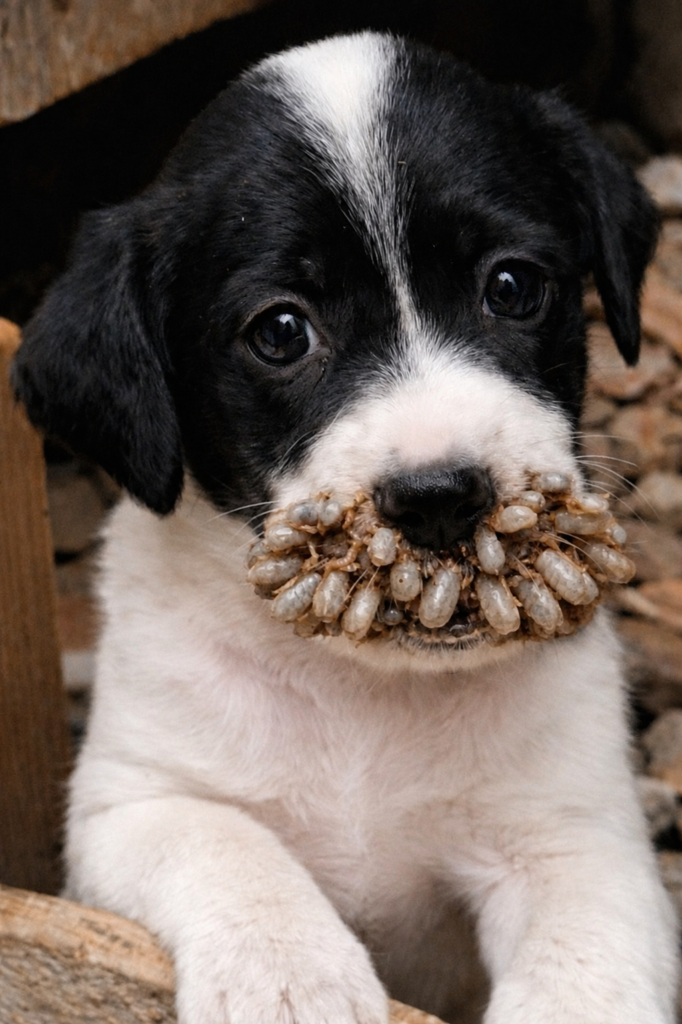
A puppy’s health is important for its growth, happiness, and overall well-being. One of the most concerning issues pet owners may notice is a severe lip infection or infestation around the mouth area. When a puppy develops swelling, wounds, parasites, or unusual growths around its lips, immediate attention is required. Such conditions can cause pain, difficulty eating, and serious health complications if left untreated.
In this article, we will discuss puppy lip infections, possible causes, symptoms, treatment options, and prevention methods. Understanding these issues can help pet owners protect their furry companions and ensure they receive proper care.
What Is a Puppy Lip Infection?
A puppy lip infection refers to any bacterial, fungal, parasitic, or traumatic condition affecting the lips and surrounding tissues. These infections may start as small sores or irritations and can quickly become severe if not treated.
Young puppies are particularly vulnerable because their immune systems are still developing. Outdoor environments, poor hygiene, wounds, and exposure to parasites can increase the risk of infection.
Common Causes of Lip Infections in Puppies
1. Bacterial Infections
Bacteria can enter through small cuts or scratches around the mouth. Once bacteria invade the tissue, swelling, redness, and pus may develop.
Common bacterial causes include:
- Staphylococcus infections
- Streptococcus infections
- Secondary infections from wounds
2. Parasite Infestations
Parasites can attach to a puppy’s skin and cause irritation, inflammation, and tissue damage. Severe infestations around the mouth can create painful lesions and increase the risk of infection.
3. Fungal Infections
Fungal organisms thrive in moist environments and may infect damaged skin around the lips.
Signs often include:
- Red patches
- Crusting
- Hair loss around the mouth
4. Injuries and Trauma
Puppies frequently explore their environment with their mouths. Sharp objects, animal bites, or rough play can create wounds that become infected.
5. Poor Hygiene
Food debris and dirt trapped around the mouth can encourage bacterial growth and increase infection risk.
Symptoms of Puppy Lip Problems
Recognizing symptoms early can prevent complications. Common signs include:
Swelling
Inflamed lips are often one of the first signs of infection.
Redness
Red or irritated skin around the mouth may indicate inflammation.
Pain
The puppy may resist touching around the mouth due to discomfort.
Difficulty Eating
Painful lips can make chewing and swallowing difficult.
Bad Odor
Infected tissue often produces an unpleasant smell.
Discharge
Pus, blood, or fluid may be present around affected areas.
Weight Loss
A puppy that cannot eat properly may begin losing weight.
Behavioral Changes
Affected puppies may become:
- Less active
- Irritable
- Withdrawn
- Lethargic
Why Immediate Veterinary Care Is Important
Severe lip infections can spread quickly. What begins as a minor problem may progress into a serious medical emergency.
A veterinarian can:
- Identify the exact cause
- Remove parasites safely
- Prescribe antibiotics if necessary
- Clean infected tissue
- Prevent further complications
Attempting to remove parasites or treat severe infections at home can sometimes worsen the condition.
Diagnosis
Veterinarians use several methods to determine the cause of a lip infection.
Physical Examination
The mouth, gums, lips, and surrounding skin are carefully inspected.
Skin Testing
Samples may be collected to identify bacteria, fungi, or parasites.
Blood Tests
Blood work helps evaluate overall health and detect systemic infections.
Microscopic Analysis
Parasites or infectious organisms can often be identified under a microscope.
Treatment Options
Cleaning the Affected Area
The veterinarian may carefully clean infected tissues using antiseptic solutions.
Antibiotics
Bacterial infections are commonly treated with prescription antibiotics.
Anti-Parasitic Medication
If parasites are involved, appropriate medications may be administered.
Pain Management
Pain-relief medications help improve comfort and encourage eating.
Nutritional Support
Soft foods and nutritional supplements may assist recovery.
Follow-Up Care
Regular veterinary checkups ensure healing progresses properly.
Home Care During Recovery
Pet owners play an important role in recovery.
Keep the Area Clean
Follow veterinary instructions for cleaning and medication application.
Monitor Appetite
Ensure the puppy continues eating and drinking.
Provide a Comfortable Environment
A clean, quiet resting area supports healing.
Prevent Scratching
Avoid situations where the puppy can irritate the affected area.
Administer Medications Correctly
Complete the full course of prescribed medication.
Prevention Tips
Preventing lip infections is often easier than treating them.
Maintain Good Hygiene
Regular cleaning reduces bacterial growth.
Routine Veterinary Visits
Checkups help identify health problems early.
Parasite Control
Use veterinarian-approved parasite prevention products.
Healthy Nutrition
A balanced diet supports immune function.
Inspect Your Puppy Regularly
Examine the mouth, lips, ears, and skin for abnormalities.
Keep Living Areas Clean
A sanitary environment lowers exposure to harmful organisms.
When to Seek Emergency Help
Contact a veterinarian immediately if your puppy experiences:
- Severe swelling
- Difficulty breathing
- Inability to eat
- Excessive bleeding
- High fever
- Extreme lethargy
Early treatment significantly improves outcomes.
Conclusion
Lip infections and infestations in puppies can become serious health concerns if ignored. Common causes include bacteria, parasites, fungal infections, injuries, and poor hygiene. Symptoms such as swelling, redness, pain, discharge, and difficulty eating should never be overlooked.
Prompt veterinary care is the safest and most effective way to diagnose and treat these conditions. With proper treatment, good hygiene, regular health checks, and preventive care, most puppies can recover successfully and enjoy a healthy, happy life.
By staying alert to changes in your puppy’s appearance and behavior, you can help ensure your beloved companion remains safe, comfortable, and thriving.
