

If your toenails have become weak, thin, brittle, or easy to break, your diet may be one of the most important factors to improve. Toenails are made mostly of keratin, a protein that depends on adequate nutrition for healthy growth. Deficiencies in protein, iron, biotin, zinc, vitamin D, and other nutrients can contribute to weak nails.
Why Toenails Become Weak
Weak toenails can result from several causes, including:
- Poor nutrition or restrictive diets
- Iron deficiency
- Low protein intake
- Zinc deficiency
- Biotin deficiency
- Vitamin D deficiency
- Frequent trauma from tight shoes
- Fungal infections
- Aging
- Certain medical conditions such as thyroid disorders or anemia
Important
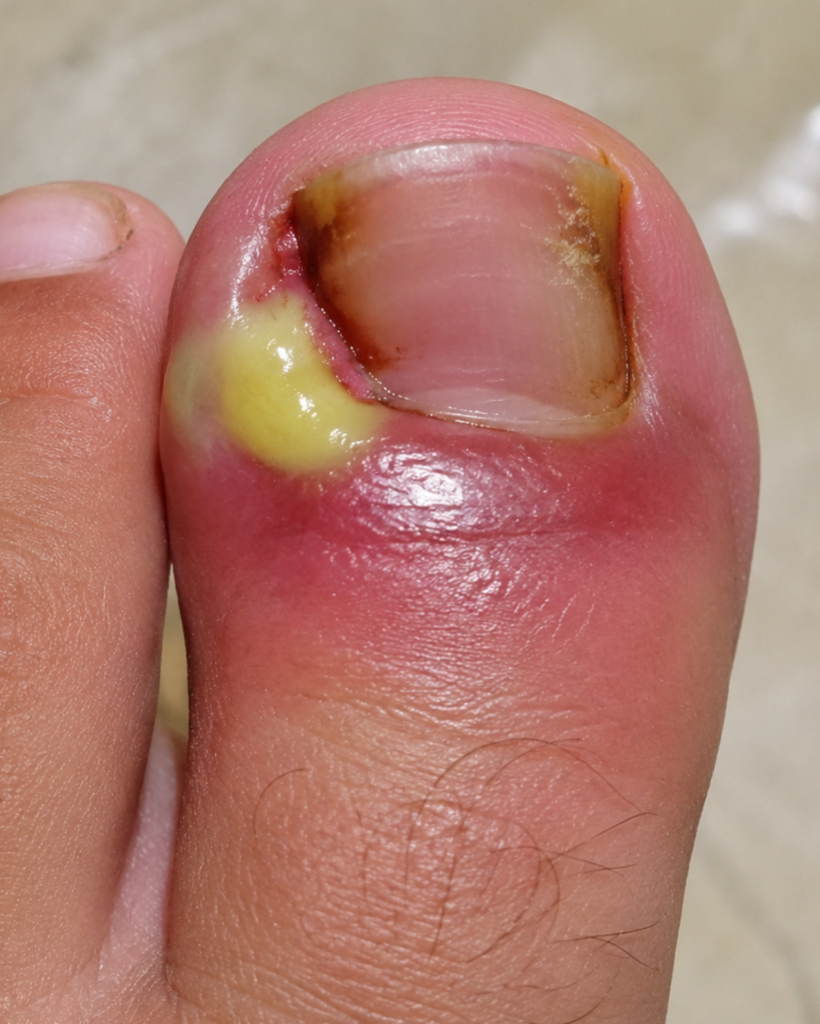
If your nail is yellow, thick, painful, separating from the nail bed, or associated with swelling and discharge, see a healthcare professional because a fungal infection or other medical issue may need treatment.
The Best Nutrients for Strong Toenails
1. Protein: The Building Block of Nails
Keratin is a protein, so inadequate protein intake can lead to brittle nails.
Best sources:
- Eggs
- Chicken
- Fish
- Greek yogurt
- Beans and lentils
- Tofu
- Nuts and seeds
Aim for:
About 0.8–1.2 g of protein per kilogram of body weight daily, depending on activity level and health status.
2. Biotin (Vitamin B7): Often Linked to Stronger Nails
Biotin helps support keratin infrastructure and may improve nail thickness in some people.
Best sources:
- Eggs (cooked)
- Salmon
- Almonds
- Sweet potatoes
- Sunflower seeds
Tip:
Do not take high-dose biotin supplements without discussing them with a healthcare professional because they can interfere with some lab tests.
3. Iron: Essential for Healthy Nail Growth

Low iron can cause brittle, thin, or spoon-shaped nails.
Best sources:
- Lean red meat
- Chicken liver (in moderation)
- Lentils
- Spinach
- Beans
Absorption tip:
Pair iron-rich foods with vitamin C sources such as oranges, strawberries, tomatoes, or bell peppers.
4. Zinc: Supports Nail Repair
Zinc helps with tissue growth and repair.
Best sources:
- Oysters
- Beef
- Pumpkin seeds
- Chickpeas
- Cashews
5. Vitamin D: Important for Overall Nail Health
Low vitamin D may contribute to poor nail quality.
Best sources:
- Fatty fish such as salmon, sardines, and mackerel
- Egg yolks
- Fortified milk or yogurt
- Safe sunlight exposure
6. Omega-3 Fats: Help Keep Nails Hydrated
Healthy fats may reduce dryness and brittleness.
Best sources:
- Salmon
- Sardines
- Walnuts
- Flaxseeds
- Chia seeds
Sample 1-Day Nail-Strengthening Diet Plan
Breakfast: 2 eggs, whole-grain toast, Greek yogurt, and berries.
Mid-morning snack: A handful of almonds and sunflower seeds.
Lunch: Grilled salmon or chicken, quinoa or brown rice, spinach salad with tomatoes and olive oil.
Afternoon snack: Fruit such as an orange or kiwi and pumpkin seeds.
Dinner: Lentil soup or bean curry, mixed vegetables, and a side of yogurt.
Hydration: 6–8 glasses of water throughout the day.
This plan provides protein, biotin, iron, zinc, omega-3 fats, and vitamins that support nail growth and strength.
Foods to Eat More Often
| Food | Key Benefit |
|---|---|
| Eggs | Protein + biotin |
| Salmon | Protein + omega-3 + vitamin D |
| Greek yogurt | Protein + calcium |
| Spinach | Iron + folate |
| Lentils | Protein + iron |
| Pumpkin seeds | Zinc + healthy fats |
| Almonds | Biotin + vitamin E |
| Berries | Antioxidants + vitamin C |
What to Avoid
Some habits can make weak nails worse:
- Crash diets or severe calorie restriction
- Excessive sugary foods
- Very low-protein diets
- Smoking
- Excessive alcohol intake
- Wearing tight shoes that repeatedly traumatize the toenails
- Picking or peeling the nails
Lifestyle Tips for Stronger Toenails
- Trim nails straight across rather than digging into the corners.
- Wear shoes with adequate toe room.
- Keep feet clean and dry.
- Use a moisturizing cream on the feet and around the nails.
- Avoid harsh chemicals and excessive nail polish remover use.
- Treat fungal infections promptly if present.
When to See a Doctor
Consider medical evaluation if you have:
- Painful or swollen toenails
- Pus or discharge
- Yellow, thick, or crumbling nails
- Nails separating from the nail bed
- Persistent brittleness despite a good diet
- Symptoms of anemia such as fatigue, pale skin, or shortness of breath
A doctor may recommend blood tests for iron, vitamin D, thyroid function, or other deficiencies.
Key Takeaway
The best diet for weak toenails focuses on protein, biotin, iron, zinc, vitamin D, and healthy fats.
Eggs, fish, yogurt, lentils, leafy greens, nuts, and seeds are among the most beneficial foods. Consistency matters: toenails grow slowly, so noticeable improvement may take 3–6 months of good nutrition and proper foot care.
If your toenail is also discolored, thickened, painful, or infected, dietary changes alone may not be enough and medical treatment could be necessary.
