

Introduction
A black nail can be alarming, especially when it appears suddenly. Whether it affects a fingernail or toenail, nail discoloration often signals an underlying issue that should not be ignored. In many cases, a black nail results from injury or trauma, but it can also be caused by fungal infections, medical conditions, or even serious diseases.
Understanding why your nail has turned black is the first step toward proper treatment. This article explains the common causes of black nails, available treatment options, and effective prevention tips to help maintain healthy nails.
What Is a Black Nail?
A black nail occurs when part or all of the nail becomes dark brown, purple, or black. The discoloration may appear beneath the nail plate or affect the nail itself. Depending on the cause, a black nail may be accompanied by pain, swelling, tenderness, or changes in nail shape.
While some cases resolve naturally, others may require medical attention.
Common Causes of Black Nails
1. Nail Trauma or Injury
One of the most common reasons for a black nail is trauma. If you accidentally hit your finger with a hammer, drop a heavy object on your toe, or wear tight shoes, blood can collect under the nail.
This condition is called a subungual hematoma.
Symptoms:
- Black or dark purple discoloration
- Throbbing pain
- Swelling around the nail
- Tenderness when touched
Athletes, runners, and people who wear tight footwear are particularly prone to this condition.
2. Fungal Nail Infection
Certain fungal infections can cause the nail to become dark, thick, and brittle. Although fungal infections commonly produce yellow discoloration, advanced cases may appear brown or black.
Symptoms:
- Thickened nails
- Crumbling nail edges
- Unpleasant odor
- Nail separation from the nail bed
Fungal infections thrive in warm and moist environments, making toenails especially vulnerable.
3. Bacterial Infection
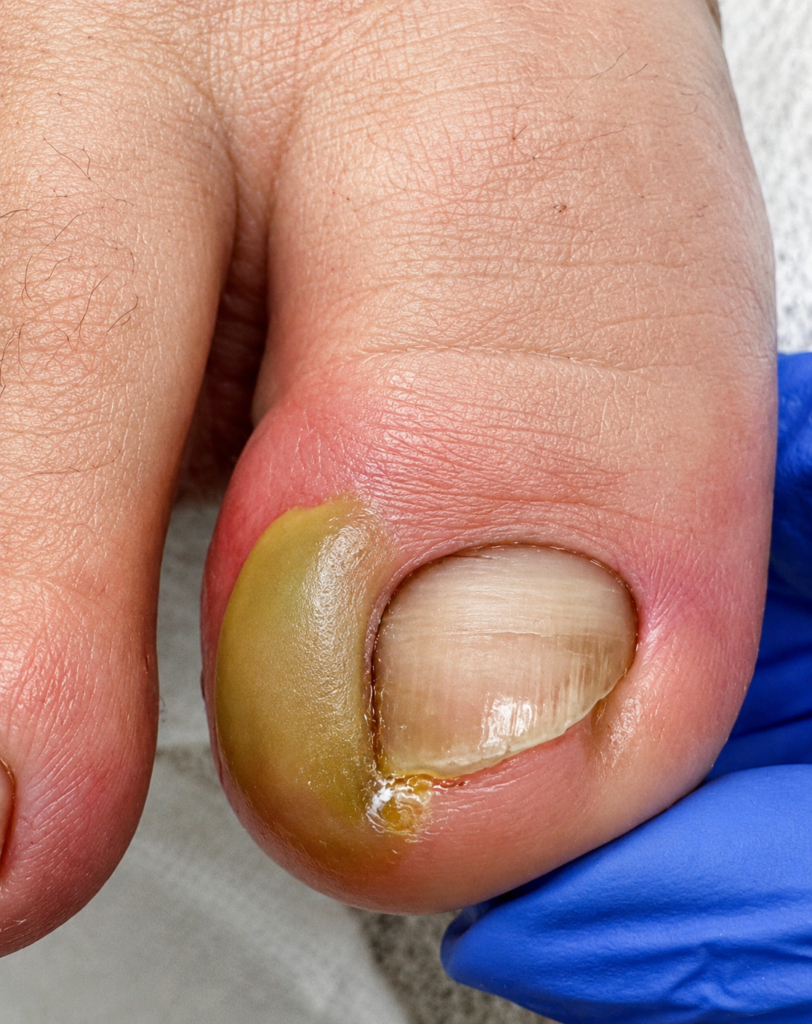
Some bacteria can infect the nail and cause dark green, brown, or black discoloration. These infections often develop when moisture becomes trapped under a damaged nail.
Risk Factors:
- Frequent exposure to water
- Nail injuries
- Artificial nails
- Poor nail hygiene
Proper treatment usually requires medical evaluation and antibiotics if necessary.
4. Melanin Pigmentation
Sometimes a black or dark stripe appears on the nail due to increased melanin production. This condition is known as melanonychia.
Melanonychia can occur naturally and is more common in individuals with darker skin tones.
Signs:
- Dark vertical line on the nail
- Usually painless
- May affect one or multiple nails
Although often harmless, any new or changing dark streak should be examined by a healthcare professional.
5. Nail Melanoma
In rare cases, a black nail may indicate melanoma, a serious form of skin cancer.
Warning Signs:
- Dark stripe that widens over time
- Irregular pigmentation
- Pigment spreading onto surrounding skin
- Nail damage without injury
Early diagnosis significantly improves treatment outcomes. Any suspicious nail discoloration should be evaluated by a dermatologist.
6. Medical Conditions
Certain health conditions can affect nail color.
Examples include:
- Diabetes
- Kidney disease
- Heart disease
- Liver disorders
- Nutritional deficiencies
In these cases, nail discoloration may be one of several symptoms affecting the body.
Symptoms Associated with Black Nails
Depending on the underlying cause, additional symptoms may include:
- Pain or tenderness
- Swelling around the nail
- Nail thickening
- Nail separation
- Brittle nails
- Drainage of fluid or pus
- Changes in nail shape
Persistent symptoms should not be ignored.
How Is a Black Nail Diagnosed?
Doctors typically diagnose black nails through a physical examination and medical history review.
Additional tests may include:
Nail Culture
A sample is collected to identify fungal or bacterial infections.
Dermoscopy
A special magnifying device helps examine pigmented nail lesions.
Biopsy
If melanoma is suspected, a small tissue sample may be taken for laboratory analysis.
Early diagnosis ensures appropriate treatment and prevents complications.
Treatment for Black Nails
Treatment depends on the underlying cause.
1. Treating Nail Trauma
For minor injuries:
- Apply ice to reduce swelling
- Elevate the affected finger or toe
- Use over-the-counter pain relievers
If severe pressure builds under the nail, a healthcare provider may drain the trapped blood.
In many cases, the damaged nail gradually grows out and is replaced by a healthy new nail.
2. Treating Fungal Infections
Treatment options include:
- Antifungal creams
- Medicated nail lacquers
- Oral antifungal medications
Because nails grow slowly, treatment may take several months.
3. Treating Bacterial Infections
Doctors may prescribe:
- Antibiotic medications
- Antibacterial solutions
- Nail cleaning procedures
Prompt treatment helps prevent infection from spreading.
4. Managing Medical Conditions
If an underlying illness causes nail discoloration, treating the primary condition often improves nail health.
Proper disease management and regular medical care are essential.
5. Treatment for Nail Melanoma
Treatment typically involves:
- Surgical removal
- Cancer therapy if necessary
- Regular monitoring
Early intervention greatly improves outcomes.
Home Remedies for Nail Recovery
While home remedies cannot cure all causes of black nails, they may support healing.
Keep the Nail Clean
Wash the affected area gently with soap and water.
Avoid Tight Shoes
Proper footwear reduces pressure on toenails and promotes healing.
Protect the Nail
Wear gloves during manual work to prevent further injury.
Maintain Good Hygiene
Regular nail care helps reduce infection risk.
Eat a Healthy Diet
Nutrients important for nail health include:
- Protein
- Iron
- Zinc
- Biotin
- Vitamin C
A balanced diet supports stronger nail growth.
How Long Does a Black Nail Take to Heal?
Recovery depends on the cause and nail growth rate.
Fingernails
Typically require 4–6 months to grow completely.
Toenails
May take 12–18 months for full replacement.
Patience is important because nail growth occurs slowly.
When Should You See a Doctor?
Seek medical attention if:
- The black nail develops without injury
- Severe pain persists
- The discoloration spreads
- Signs of infection appear
- Pus drains from the nail
- The nail becomes detached
- A dark stripe changes shape or size
Professional evaluation can rule out serious conditions and provide appropriate treatment.
Tips to Prevent Black Nails
Wear Proper Footwear
Choose shoes with adequate toe space to prevent pressure injuries.
Trim Nails Correctly
Keep nails clean and trimmed straight across.
Avoid Nail Trauma
Use protective gloves during heavy work and sports activities.
Keep Feet Dry
Dry feet thoroughly after bathing and change socks regularly.
Practice Good Nail Hygiene
Clean nails regularly and avoid sharing nail tools.
Monitor Nail Changes
Pay attention to unusual discoloration, thickening, or pain.
Conclusion
A black nail can result from many different causes, ranging from minor injuries to fungal infections and, in rare cases, serious medical conditions. While many cases improve naturally as the nail grows out, persistent or unexplained discoloration should never be ignored.
Proper diagnosis is essential for determining the underlying cause and choosing the right treatment. By maintaining good nail hygiene, protecting your nails from injury, and seeking medical advice when necessary, you can support healthy nail growth and prevent future nail problems.
If your nail has recently turned black and the cause is unclear, consulting a healthcare professional is the safest way to ensure proper care and peace of mind.
