

Introduction
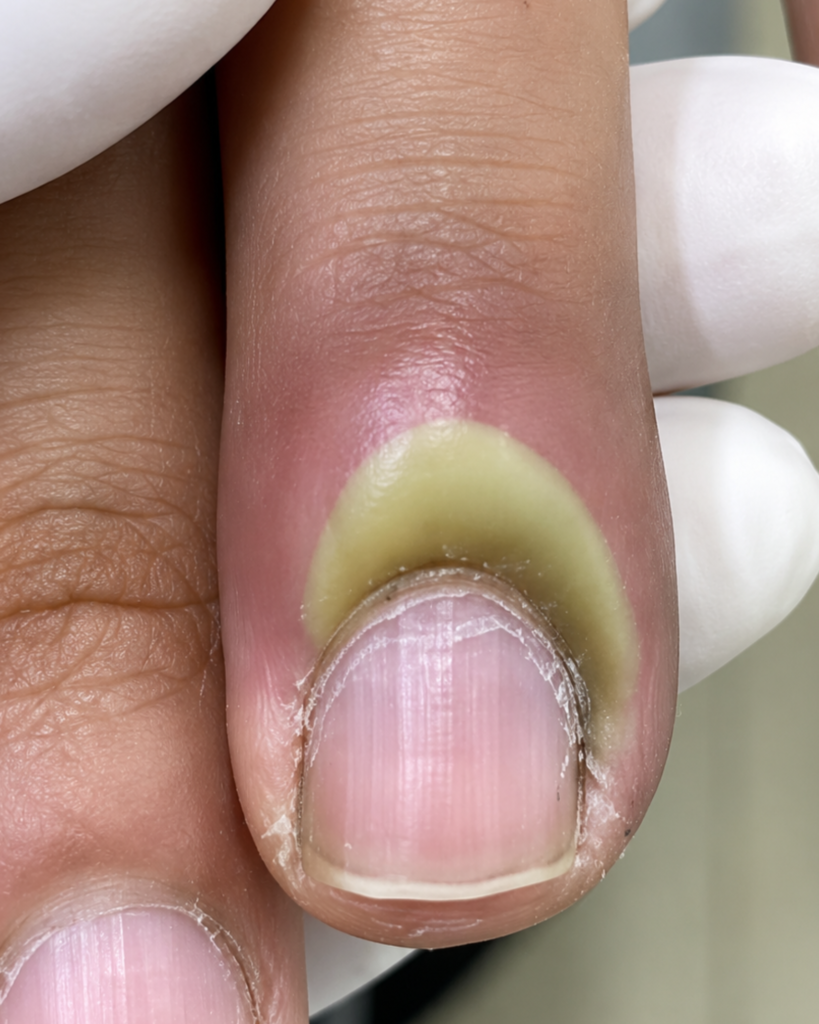
An ingrown nail is a common condition that occurs when the edge or corner of a nail grows into the surrounding skin. While it most often affects toenails, it can also occur in fingernails. This condition can cause significant pain, redness, swelling, and infection if left untreated.
Understanding the causes, symptoms, and treatment options for ingrown nails can help prevent complications and promote faster healing. This comprehensive guide covers everything you need to know about ingrown nail treatment and prevention.
What Is an Ingrown Nail?
An ingrown nail develops when the nail edge penetrates the skin beside the nail. As the nail continues to grow, it irritates the skin, causing inflammation and discomfort. In severe cases, bacteria can enter the area, leading to infection.
Ingrown nails are especially common among teenagers, athletes, and individuals who wear tight shoes or trim their nails incorrectly.
Common Causes of Ingrown Nails
Several factors can contribute to the development of an ingrown nail:
Improper Nail Trimming
Cutting nails too short or rounding the corners can encourage the nail to grow into the skin.
Tight Footwear
Shoes that squeeze the toes place pressure on the nails and surrounding tissue, increasing the risk of ingrown nails.
Nail Injuries
Trauma from sports, dropping heavy objects, or repeated pressure can alter nail growth.
Genetic Factors
Some individuals naturally have curved or thick nails that are more prone to becoming ingrown.
Poor Foot Hygiene
Keeping feet damp or dirty can increase the likelihood of infection and worsen symptoms.
Symptoms of an Ingrown Nail
Recognizing symptoms early can help prevent complications.
Common signs include:
- Pain along the nail edge
- Redness around the nail
- Swelling of surrounding skin
- Tenderness when touched
- Warmth around the affected area
- Pus or drainage if infected
- Difficulty walking or using the affected finger
Stages of Ingrown Nail Development
Stage 1: Mild
The skin becomes red, swollen, and tender.
Stage 2: Moderate
Pain increases, and signs of infection may begin to appear.
Stage 3: Severe
The area becomes infected with excessive swelling, pus formation, and possible overgrowth of skin around the nail.
Home Treatment for Mild Ingrown Nails
Mild cases can often be treated at home.
Warm Water Soaks
Soak the affected nail in warm water for 15–20 minutes, three to four times daily. This softens the skin and reduces swelling.
Keep the Area Clean
Wash gently with soap and water to prevent bacterial growth.
Apply Antibiotic Ointment
An over-the-counter antibiotic cream may help reduce infection risk.
Use Proper Bandaging
Cover the area with a clean bandage to protect it from dirt and friction.
Wear Comfortable Footwear
Choose open-toed shoes or footwear with a wide toe box to reduce pressure.
Medical Treatment Options
If symptoms worsen or infection develops, professional treatment may be necessary.
Lifting the Nail
A healthcare provider may carefully lift the nail edge and place a small piece of cotton or dental floss underneath it to guide proper growth.
Partial Nail Removal
For more severe cases, a doctor may remove part of the nail causing irritation.
Complete Nail Removal
In recurring cases, complete nail removal may be recommended.
Chemical Nail Matrix Treatment
A chemical solution may be applied to prevent the problematic section of the nail from growing back.
Antibiotic Therapy
Oral antibiotics may be prescribed when infection spreads beyond the nail area.
Signs of Infection
Seek medical attention if you notice:
- Increasing redness
- Severe swelling
- Pus discharge
- Fever
- Persistent pain
- Red streaks extending from the nail
These symptoms may indicate a more serious infection requiring professional treatment.
Recovery Time
Healing depends on the severity of the condition.
- Mild cases: 1–2 weeks
- Moderate cases: 2–4 weeks
- Surgical treatment: 4–8 weeks
Following proper aftercare instructions can speed recovery and reduce complications.
Preventing Future Ingrown Nails
Trim Nails Correctly
Cut nails straight across rather than rounding the corners.
Wear Properly Fitting Shoes
Ensure shoes provide enough room for your toes.
Maintain Good Hygiene
Keep feet and hands clean and dry.
Avoid Nail Trauma
Use protective footwear during sports and work activities.
Inspect Nails Regularly
Early detection allows for prompt treatment before complications develop.
When to See a Doctor
You should seek medical care if:
- Home treatment does not improve symptoms within a few days.
- Pain becomes severe.
- Infection develops.
- You have diabetes or poor circulation.
- The ingrown nail repeatedly returns.
People with diabetes should never ignore an ingrown nail because even minor infections can become serious.
Frequently Asked Questions
Can an ingrown nail heal on its own?
Mild cases may improve with proper home care, but severe cases often require medical treatment.
Is surgery painful?
Most nail procedures are performed under local anesthesia, making them relatively comfortable.
How can I prevent recurrence?
Proper nail trimming, comfortable footwear, and good hygiene are the most effective preventive measures.
Can fingernails become ingrown?
Yes, although ingrown toenails are more common, fingernails can also grow into surrounding skin.
Conclusion
An ingrown nail can be painful and disruptive, but early treatment usually leads to a full recovery. Proper nail care, good hygiene, and wearing well-fitting shoes are essential for prevention. While mild cases often respond to home remedies such as warm water soaks and topical treatments, severe or infected ingrown nails may require professional medical care.
If symptoms persist, worsen, or show signs of infection, consult a healthcare professional promptly. Taking action early can prevent complications and help restore healthy nail growth.
