

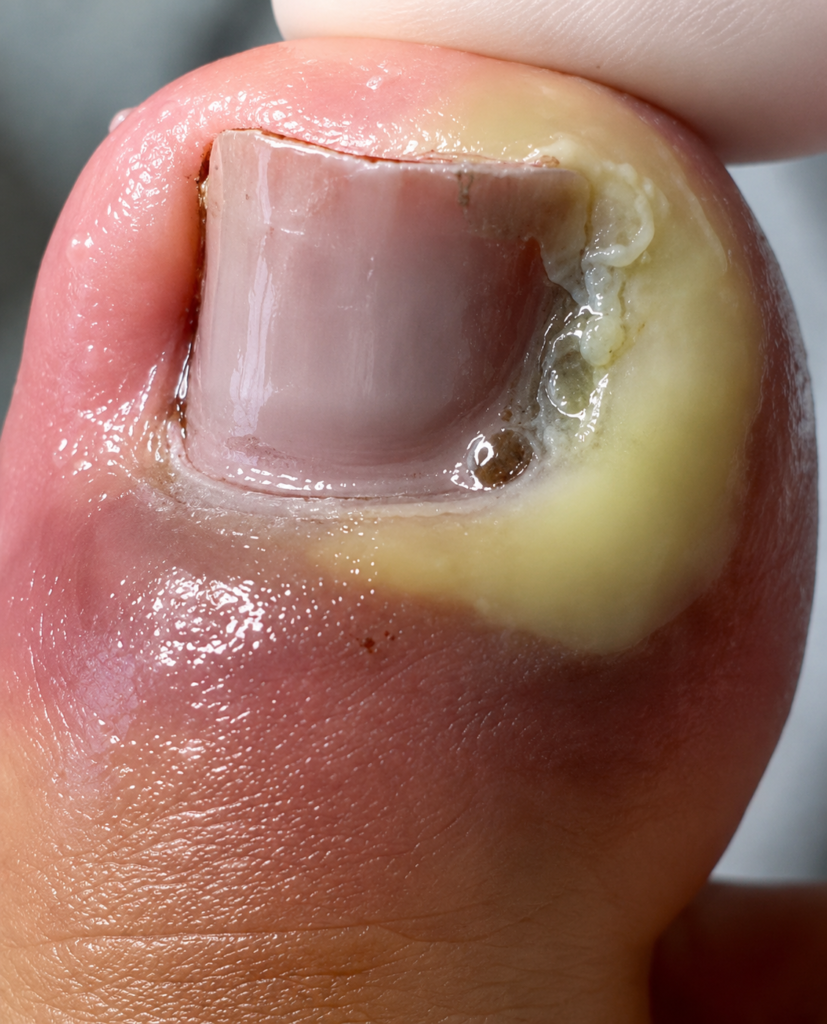
Understanding the Risk of Toenail Fungus and Nail Infections
Many people share clothes or personal items with friends and family without thinking twice. However, if you accidentally wear your friend’s socks, you might wonder whether this simple mistake could lead to a nail infection or toenail fungus. While the risk is not always high, it is important to understand how fungal infections spread and what steps you can take to protect your feet.
In this article, we will discuss whether wearing someone else’s socks can cause a nail infection, the symptoms to watch for, prevention tips, and the best treatment options if an infection develops.
Can Wearing Someone Else’s Socks Cause a Nail Infection?
The short answer is yes, it is possible. Socks can carry fungi, bacteria, and other microorganisms, especially if the owner has a fungal foot infection such as athlete’s foot or toenail fungus.
Fungi thrive in warm, moist environments. Since feet often sweat throughout the day, socks can become an ideal place for fungal organisms to survive. If your friend has a fungal infection and you wear their socks, there is a chance that fungal spores may transfer to your feet.
However, wearing infected socks once does not automatically mean you will develop a nail infection. Several factors influence whether an infection occurs, including:
- Your foot hygiene
- The condition of your immune system
- Whether you have cuts or cracks in the skin
- How long you wore the socks
- The presence of existing fungal spores
What Is Toenail Fungus?
Toenail fungus, medically known as onychomycosis, is a common fungal infection that affects the toenails. It often begins as a small white or yellow spot under the nail and gradually spreads deeper into the nail tissue.
Over time, the infection can cause the nail to become:
- Thickened
- Discolored
- Brittle
- Crumbly
- Distorted in shape
In severe cases, the nail may separate from the nail bed and cause discomfort while walking.
How Does Toenail Fungus Spread?
Toenail fungus spreads through direct and indirect contact. Common ways it can spread include:
1. Shared Socks
Wearing socks used by someone with a fungal infection can expose your feet to fungal spores.
2. Shared Shoes
Shoes can trap moisture and fungus for long periods. Sharing footwear increases the risk of infection.
3. Public Areas
Locker rooms, swimming pools, gyms, and communal showers are common places where fungal infections spread.
4. Shared Nail Tools
Using nail clippers, files, or other grooming tools that have not been properly disinfected can transfer fungal organisms.
5. Skin-to-Skin Contact
Although less common, direct contact with infected skin can spread fungal infections.
Signs You May Have Developed a Nail Infection
If you accidentally wore your friend’s socks, monitor your feet over the next few weeks. Symptoms of a fungal nail infection may include:
Nail Discoloration
The nail may turn yellow, brown, white, or even greenish in appearance.
Thickened Nails
Infected nails often become noticeably thicker than normal.
Brittle or Crumbling Nails
The edges of the nail may break easily or appear rough.
Foul Odor
Some fungal infections produce an unpleasant smell.
Nail Separation
The nail may begin lifting away from the nail bed.
Redness and Swelling
If the surrounding skin becomes infected, you may notice redness, swelling, or tenderness.
Are Certain People More at Risk?
Yes. Some individuals are more likely to develop nail infections after exposure to fungal spores.
Risk factors include:
- Diabetes
- Poor circulation
- Weakened immune system
- Excessive sweating
- Older age
- Existing athlete’s foot
- Frequent use of public showers
- Tight-fitting shoes
If you fall into one of these categories, it is especially important to monitor your feet carefully after potential exposure.
What Should You Do After Wearing Someone Else’s Socks?
If you realize you accidentally wore your friend’s socks, don’t panic. Taking a few simple precautions can significantly reduce your risk.
Wash Your Feet Thoroughly
Use warm water and soap to clean your feet as soon as possible.
Dry Your Feet Completely
Fungi love moisture. Pay special attention to the spaces between your toes.
Apply Antifungal Powder
An over-the-counter antifungal powder can help create an environment that discourages fungal growth.
Wear Clean Socks
Always change into fresh, dry socks after washing your feet.
Monitor for Symptoms
Keep an eye on your nails and skin for any changes over the coming weeks.
How to Prevent Nail Infections
Preventing fungal infections is often easier than treating them. Here are some effective prevention tips.
Never Share Socks
Avoid sharing socks with friends, family members, or roommates.
Avoid Sharing Shoes
Shoes can harbor fungi for extended periods.
Keep Feet Dry
Change socks regularly if your feet sweat excessively.
Choose Breathable Footwear
Shoes made from breathable materials help reduce moisture buildup.
Use Antifungal Sprays
Applying antifungal sprays to shoes can help eliminate fungal spores.
Trim Nails Properly
Keep toenails clean, dry, and trimmed straight across.
Wear Flip-Flops in Public Areas
Protect your feet in communal showers, pools, and locker rooms.
Treatment Options for Toenail Fungus
If you develop a nail infection, several treatment options are available.
Over-the-Counter Antifungal Products
Mild infections may respond to antifungal creams, powders, or medicated nail solutions.
Prescription Medications
Doctors may prescribe oral antifungal medications such as terbinafine or itraconazole for more severe infections.
Laser Therapy
Some clinics offer laser treatments designed to kill fungal organisms beneath the nail.
Nail Removal
In severe cases, partial or complete nail removal may be recommended.
Proper Foot Care
Keeping feet clean and dry supports the healing process and helps prevent recurrence.
When Should You See a Doctor?
Seek medical attention if:
- The infection continues to worsen
- You experience significant pain
- The nail becomes severely damaged
- You have diabetes
- Redness and swelling spread beyond the nail area
- Home treatments are ineffective
Early treatment can help prevent complications and improve recovery outcomes.
Common Myths About Toenail Infections
Myth 1: One Exposure Guarantees Infection
Reality: Exposure increases risk but does not guarantee infection.
Myth 2: Nail Fungus Is Only a Cosmetic Problem
Reality: Untreated infections can become painful and difficult to manage.
Myth 3: Nail Polish Can Hide the Problem
Reality: Nail polish may actually trap moisture and worsen fungal growth.
Myth 4: Toenail Fungus Always Goes Away on Its Own
Reality: Most fungal nail infections require treatment and rarely disappear without intervention.
Final Thoughts
Accidentally wearing your friend’s socks can expose you to fungal organisms that may cause a nail infection, particularly if the socks belonged to someone with athlete’s foot or toenail fungus. Fortunately, a single exposure does not automatically mean you will become infected.
The best approach is to practice good foot hygiene, keep your feet clean and dry, and monitor for any signs of infection. Avoid sharing socks, shoes, and nail care tools whenever possible. If symptoms develop, early treatment can help prevent the infection from becoming more serious.
By understanding how fungal infections spread and taking preventive measures, you can keep your feet healthy and reduce your risk of developing a painful toenail infection.
