

Introduction
A broken nail caused by an injury can be painful, frustrating, and sometimes even dangerous if left untreated. Whether the nail cracked after hitting a hard surface, getting caught in a door, sports activity, or an accident at work, nail injuries are very common among people of all ages. In some cases, the damage is minor and heals naturally, while severe injuries may lead to bleeding, swelling, infection, or even permanent nail damage.
Understanding how to treat a broken nail injury properly is important for quick healing and preventing complications. This guide explains everything about nail injuries, including causes, symptoms, treatment options, recovery tips, and prevention methods. If you recently experienced a nail injury or want to know how to protect your nails, this article will help you.
What Is a Nail Injury?
A nail injury happens when the fingernail or toenail becomes damaged due to physical trauma. The nail may crack, split, break, lift from the nail bed, or completely fall off. Injuries can affect both the hard nail plate and the soft skin underneath called the nail bed.
Some nail injuries heal quickly, but deeper injuries may require medical attention. Severe trauma can affect nail growth and lead to long-term nail deformities.
Common Causes of Broken Nail Injuries
There are many reasons why nails become damaged or broken. Some of the most common causes include:
1. Door Accidents
Fingers getting trapped in doors is one of the leading causes of nail injuries. The heavy impact can crack the nail or cause bleeding underneath.
2. Sports Injuries
Athletes often experience nail trauma during football, basketball, cricket, or gym workouts. Sudden pressure on the nail can cause splitting or bruising.
3. Workplace Accidents
Construction workers, mechanics, and factory employees may injure their nails while using tools or machinery.
4. Falling Objects
Dropping heavy items on the foot or hand can damage the nail badly.
5. Nail Biting
Chronic nail biting weakens the nails and increases the risk of painful tearing.
6. Acrylic or Gel Nail Damage
Artificial nails can sometimes pull the natural nail away from the nail bed if removed incorrectly.
7. Sharp Trauma
Cuts from knives, metal, or glass can partially or completely break the nail.
Symptoms of a Broken Nail Injury
The symptoms depend on how severe the injury is. Common signs include:
- Sharp pain around the nail
- Bleeding under or around the nail
- Swelling
- Redness
- Nail cracking or splitting
- Black or purple discoloration
- Nail lifting from the nail bed
- Difficulty using the finger or toe
- Throbbing sensation
If the injury is severe, the nail may completely detach from the skin.
Types of Nail Injuries
1. Nail Crack
A small split or crack in the nail plate caused by pressure or trauma.
2. Subungual Hematoma
This occurs when blood collects under the nail, creating dark discoloration and intense pain.
3. Nail Avulsion
The nail becomes partially or fully separated from the nail bed.
4. Nail Bed Laceration
The soft tissue under the nail gets cut or damaged.
5. Crushed Nail Injury
A heavy object crushes the nail and surrounding tissue.
First Aid for a Broken Nail Injury
Quick treatment can reduce pain and prevent infection.
Step 1: Clean the Area
Wash the injured nail gently with clean water and mild soap to remove dirt and bacteria.
Step 2: Stop the Bleeding
Use a clean cloth or bandage and apply gentle pressure for several minutes.
Step 3: Apply Ice
Wrap ice in a cloth and place it on the injured area for 10–15 minutes to reduce swelling.
Step 4: Protect the Nail
Cover the injured nail with a sterile bandage to avoid further damage.
Step 5: Elevate the Hand or Foot
Keeping the injured area elevated helps reduce swelling and pain.
When to See a Doctor
Some nail injuries require professional treatment. Seek medical help if:
- Pain becomes severe
- Bleeding does not stop
- The nail falls off completely
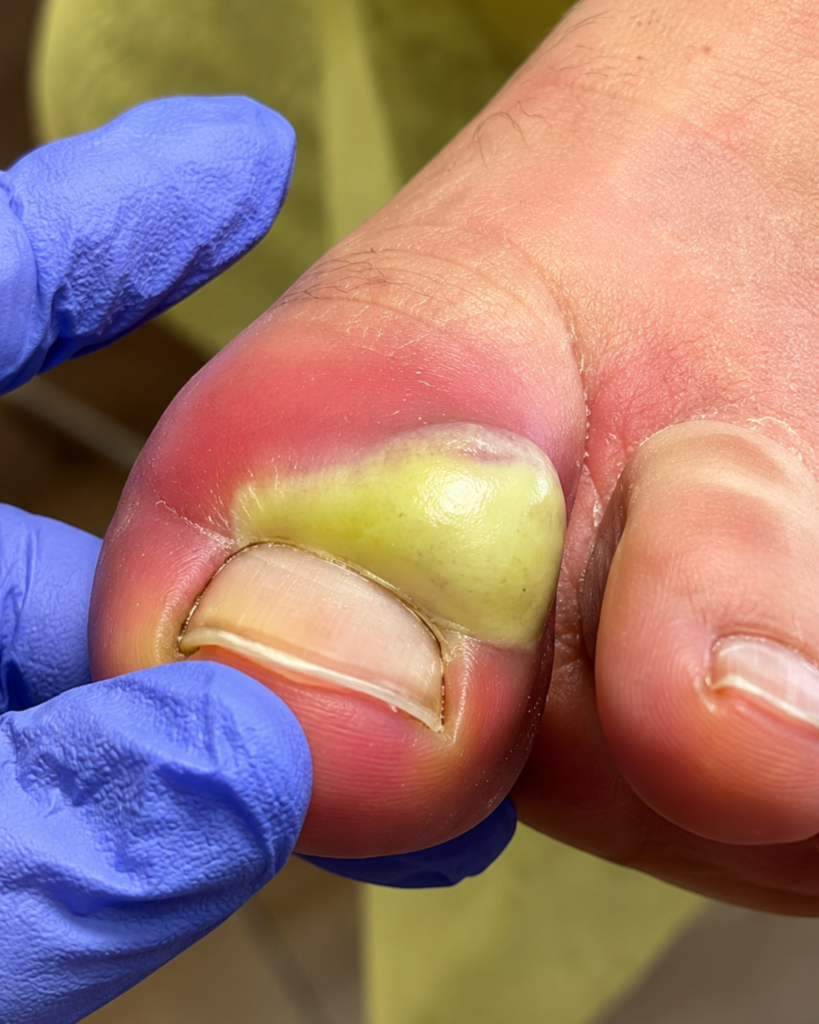
- There are signs of infection
- Swelling worsens
- The finger or toe looks broken
- Pus develops around the nail
- You cannot move the finger properly
Doctors may perform X-rays to check for bone fractures.
Medical Treatment for Severe Nail Injuries
Draining Blood Under the Nail
For painful blood buildup under the nail, doctors may create a tiny hole to release pressure.
Nail Removal
In serious cases, part of the damaged nail may need to be removed.
Stitches
Deep cuts to the nail bed sometimes require stitches.
Antibiotics
If infection is present, antibiotics may be prescribed.
Pain Medication
Doctors may recommend pain relievers to reduce discomfort.
How Long Does a Broken Nail Take to Heal?
Healing time depends on the severity of the injury.
- Minor cracks: 1–2 weeks
- Moderate injuries: 4–8 weeks
- Complete nail loss: Several months
Fingernails usually grow faster than toenails. A completely new fingernail may take around 6 months to grow back, while toenails can take up to 12–18 months.
Home Remedies for Nail Injury Recovery
1. Warm Salt Water Soak
Soaking the injured nail in warm salt water can help reduce infection risk.
2. Coconut Oil
Coconut oil keeps the surrounding skin moisturized and may support healing.
3. Aloe Vera Gel
Aloe vera provides a soothing effect and helps reduce irritation.
4. Turmeric Paste
Turmeric has natural antibacterial properties that may help minor wounds.
5. Vitamin E Oil
Vitamin E helps nourish damaged skin and nails.
Foods That Support Nail Healing
Healthy nutrition can improve nail recovery.
Protein-Rich Foods
- Eggs
- Chicken
- Fish
- Lentils
Biotin Sources
- Nuts
- Seeds
- Bananas
Iron-Rich Foods
- Spinach
- Red meat
- Beans
Vitamin C Foods
- Oranges
- Lemons
- Strawberries
Hydration is also important for healthy nail growth.
Complications of Untreated Nail Injuries
Ignoring a severe nail injury can cause problems such as:
- Nail infection
- Permanent nail deformity
- Chronic pain
- Ingrown nails
- Fungal infections
- Nail loss
Early treatment reduces these risks significantly.
Tips to Prevent Nail Injuries
Wear Protective Gloves
Use gloves during construction work, gardening, or heavy lifting.
Trim Nails Properly
Keep nails short enough to avoid accidental tearing.
Avoid Nail Biting
Biting weakens the nail structure and increases injury risk.
Use Proper Footwear
Strong shoes help protect toenails from heavy impacts.
Be Careful with Artificial Nails
Avoid forcefully removing acrylic or gel nails.
Maintain Nail Health
Moisturize nails regularly and avoid harsh chemicals.
Emotional Impact of Nail Injuries
A painful nail injury can affect daily life, especially when simple tasks become difficult. Some people feel embarrassed if the nail appearance changes. Proper care and patience are important because nails often recover slowly over time.
Can a Broken Nail Grow Back Normally?
In many cases, yes. If the nail matrix—the area responsible for nail growth—is not severely damaged, the nail can grow back normally. However, deep injuries may cause ridges, thickening, or abnormal growth patterns.
Best Nail Care During Recovery
- Keep the nail clean and dry
- Avoid picking at damaged nail pieces
- Use breathable bandages
- Avoid harsh nail polish chemicals
- Do not force detached nail parts
- Protect the area from pressure
Gentle care allows healthier regrowth.
Conclusion
A broken nail caused by injury can range from a small crack to a serious painful condition. Quick treatment, proper hygiene, and protection are essential for healing and preventing infection. While minor nail injuries heal naturally, severe cases may require medical attention.
Healthy nutrition, careful nail care, and protective habits can improve recovery and reduce future injuries. Nails grow slowly, so patience is important during the healing process. By understanding the causes, symptoms, and treatment methods for nail injuries, you can protect your nails and maintain strong, healthy hands and feet.
