

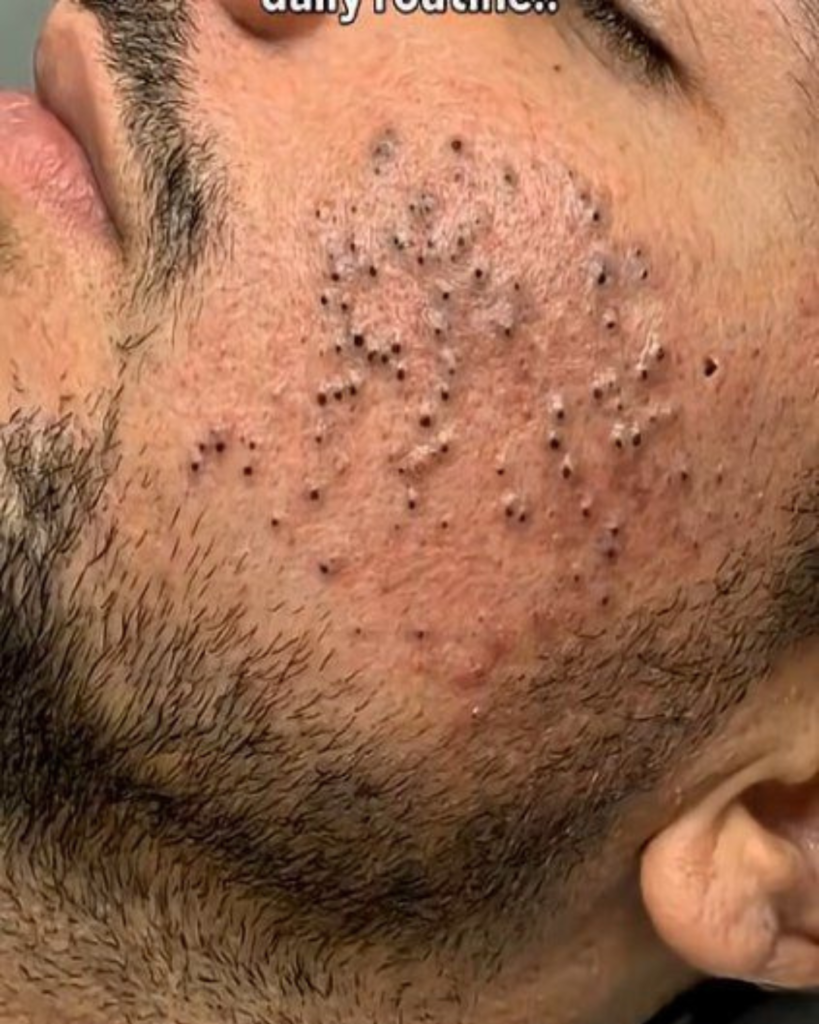
Under skin acne is one of the most painful and frustrating types of acne. Unlike regular pimples, these deep bumps develop beneath the surface of the skin and often do not form a visible whitehead. They can stay for days or even weeks and may leave scars if not treated properly.
Many people struggle with under skin acne on the face, chin, jawline, forehead, and cheeks. These painful bumps can affect confidence and make the skin look swollen and irritated. Understanding the causes and learning the best under skin acne treatments can help you reduce breakouts and achieve clearer skin naturally.
In this article, you will learn what under skin acne is, what causes it, and the best natural and medical treatments for deep acne.
What Is Under Skin Acne?
Under skin acne is also called cystic acne or blind pimples. These pimples form deep inside the skin when oil, bacteria, and dead skin cells clog the pores.
Unlike surface pimples, under skin acne does not always come to a head. Instead, it creates painful red bumps under the skin that can feel hard or swollen.
Symptoms of Under Skin Acne
Here are some common symptoms of deep under skin acne:
- Painful bumps under the skin
- Redness and swelling
- Tenderness when touched
- Hard lumps beneath the surface
- No visible whitehead
- Acne scars after healing
These pimples are usually larger and more painful than normal acne.
Causes of Under Skin Acne
Several factors can cause under skin acne.
1. Excess Oil Production
When the skin produces too much oil, pores become clogged, creating the perfect environment for acne bacteria.
2. Hormonal Changes
Hormonal imbalance is one of the biggest causes of cystic acne. Teenagers, pregnant women, and people with hormonal disorders often experience deep acne.
3. Bacteria Build-Up
Bacteria trapped inside clogged pores can cause inflammation and painful swelling.
4. Poor Skincare Routine
Using harsh products or not cleansing the skin properly can worsen acne.
5. Stress
Stress increases hormone levels that may trigger acne breakouts.
6. Unhealthy Diet
Foods high in sugar, dairy, and processed ingredients may increase acne in some people.
Best Under Skin Acne Treatments
There are many effective ways to treat under skin acne naturally and medically.
1. Warm Compress Treatment
A warm compress helps reduce pain and brings the acne closer to the skin surface.
How to Use
- Soak a clean cloth in warm water
- Apply it to the affected area for 10–15 minutes
- Repeat 3 times daily
Benefits
- Reduces swelling
- Relieves pain
- Helps pimples heal faster
2. Ice Treatment for Swelling
Ice can reduce inflammation and redness quickly.
How to Use
- Wrap ice in a clean cloth
- Apply for 1–2 minutes
- Repeat several times daily
Benefits
- Reduces redness
- Calms irritated skin
- Helps with pain
3. Tea Tree Oil Treatment
Tea tree oil has natural antibacterial properties that help fight acne bacteria.
How to Use
- Mix 1 drop tea tree oil with coconut oil
- Apply gently to the acne spot
Benefits
- Kills bacteria
- Reduces inflammation
- Prevents future breakouts
4. Aloe Vera Gel
Aloe vera is one of the best natural remedies for irritated acne-prone skin.
How to Use
Apply fresh aloe vera gel directly to the affected area before sleeping.
Benefits
- Soothes inflammation
- Hydrates skin
- Helps repair damaged tissue
5. Salicylic Acid Products
Salicylic acid helps unclog pores and remove excess oil from the skin.
Benefits
- Clears blocked pores
- Prevents deep pimples
- Reduces oily skin
Many acne cleansers and spot treatments contain salicylic acid.
6. Benzoyl Peroxide Treatment
Benzoyl peroxide kills acne-causing bacteria and helps reduce inflammation.
Benefits
- Fights bacteria
- Reduces swelling
- Prevents new acne
Use it carefully because it may dry out sensitive skin.
7. Retinoid Creams
Retinoids help speed up skin cell turnover and prevent clogged pores.
Benefits
- Prevents acne formation
- Improves skin texture
- Reduces acne scars
Dermatologists often recommend retinoids for severe acne.
Natural Remedies for Under Skin Acne
Natural treatments can help calm deep acne without harsh chemicals.
Honey and Turmeric Mask
Ingredients
- 1 tablespoon honey
- Pinch of turmeric
How to Use
Mix into a paste and apply for 15 minutes before washing.
Benefits
- Reduces bacteria
- Calms swelling
- Brightens skin
Green Tea Treatment
Green tea contains antioxidants that help fight inflammation.
How to Use
Apply cooled green tea to the skin using cotton.
Benefits
- Controls oil
- Reduces redness
- Soothes irritation
Apple Cider Vinegar
Apple cider vinegar may help balance skin bacteria.
How to Use
Dilute with water before applying to the skin.
Benefits
- Reduces oil
- Helps cleanse pores
- Fights bacteria
Things You Should Never Do
Certain habits can make under skin acne worse.
Avoid Squeezing Pimples
Popping deep acne can push bacteria deeper into the skin and cause scars.
Avoid Harsh Scrubbing
Aggressive scrubbing irritates the skin and increases inflammation.
Do Not Overwash Your Face
Washing too often can dry the skin and increase oil production.
Best Skincare Routine for Under Skin Acne
Following a healthy skincare routine is important for preventing breakouts.
Morning Routine
- Gentle cleanser
- Lightweight moisturizer
- Sunscreen
Night Routine
- Acne cleanser
- Acne treatment
- Non-comedogenic moisturizer
Consistency is important for clear skin.
Foods That May Help Reduce Acne
Healthy eating can improve skin health.
Best Foods for Acne-Prone Skin
- Fruits and vegetables
- Green tea
- Fish rich in omega-3
- Nuts and seeds
- Plenty of water
Foods to Limit
- Sugary snacks
- Fast food
- Excess dairy
- Oily processed foods
When to See a Dermatologist
You should visit a dermatologist if:
- Acne becomes severe
- Pimples are very painful
- Acne leaves scars
- Home remedies do not work
- Acne affects your confidence
A skin specialist may recommend stronger treatments such as antibiotics, hormonal therapy, or professional acne procedures.
Can Under Skin Acne Be Prevented?
Yes, good skincare habits can reduce the chances of deep acne.
Prevention Tips
- Wash your face twice daily
- Keep hands away from your face
- Remove makeup before sleeping
- Use oil-free skincare products
- Drink enough water
- Manage stress levels
Healthy skin habits can help prevent future breakouts.
Final Thoughts
Under skin acne can be painful, stubborn, and difficult to treat, but the right skincare routine and treatments can make a big difference. Natural remedies like aloe vera, honey, tea tree oil, and green tea can help calm inflammation and reduce deep pimples naturally.
Medical treatments such as salicylic acid, benzoyl peroxide, and retinoids are also effective for controlling severe acne. The most important thing is to avoid squeezing pimples and stay consistent with your skincare routine.
With patience, proper treatment, and healthy habits, you can reduce under skin acne and achieve smoother, healthier, and clearer skin over time.
