

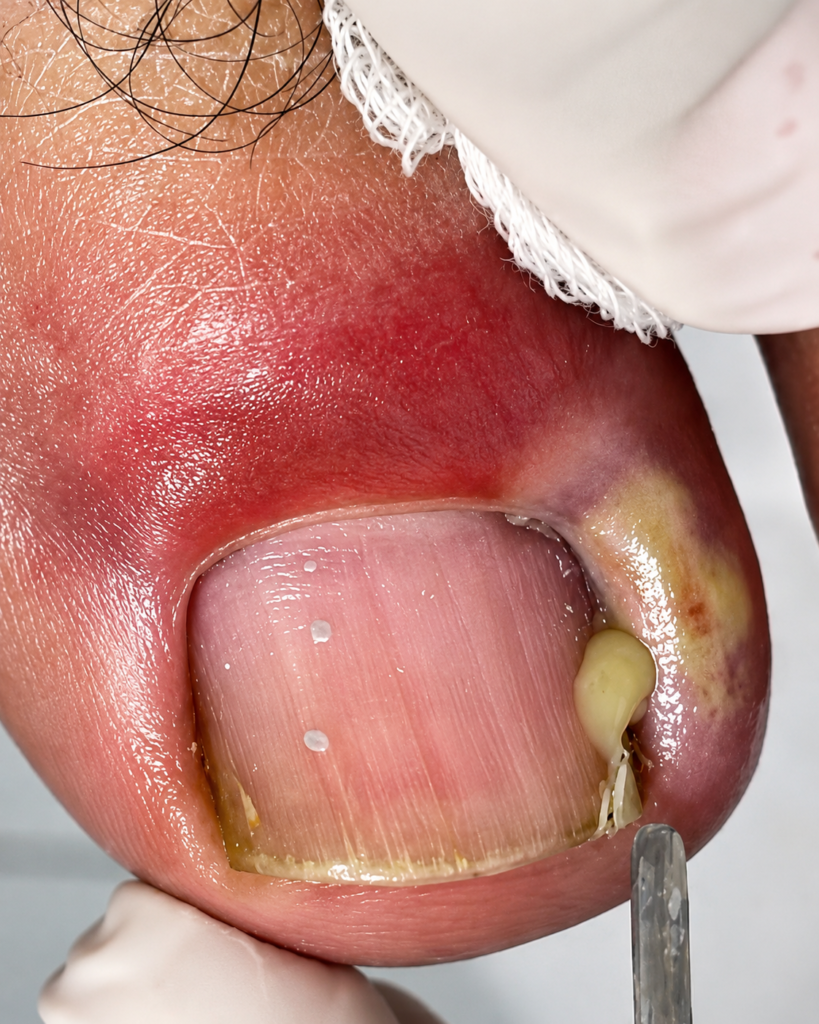
Nail problems are common, and many people notice that their nails become damaged, painful, or unhealthy after trimming them. A simple nail-cutting routine can sometimes lead to cracks, infections, ingrown nails, or other issues if it is not done correctly. Understanding why nails become damaged after cutting and learning proper nail care techniques can help keep your nails healthy and strong.
Introduction
Nails are made of a protein called keratin, which also forms hair and the outer layer of skin. Healthy nails protect the sensitive tips of our fingers and toes. However, when nails are cut improperly, they can become weak, split, or even infected.
Many people cut their nails too short, use dull nail clippers, or trim them in a way that damages the surrounding skin. Over time, these habits can lead to painful nail conditions that affect daily life.
This article explains the reasons why nails can become damaged after cutting, the signs of nail problems, and the best ways to prevent and treat them.
Common Reasons Nails Become Damaged After Cutting
1. Cutting Nails Too Short
One of the most common mistakes is trimming nails too close to the skin. When a nail is cut extremely short, the sensitive tissue underneath becomes exposed.
This can cause:
- Pain and discomfort
- Increased sensitivity
- Redness around the nail
- Higher risk of infection
The nail acts as a protective shield. Removing too much of it can leave the skin vulnerable to injury and bacteria.
2. Using Dull Nail Clippers
Old or dull nail clippers do not cut nails cleanly. Instead, they crush or tear the nail.
This can result in:
- Split nails
- Rough edges
- Nail cracks
- Weak nail growth
Sharp, clean nail clippers create a smooth cut and reduce damage.
3. Cutting Nails in a Curved Shape
Many people round the corners of their nails too deeply, especially toenails.
This can lead to:
- Ingrown nails
- Swelling
- Pain while walking
- Infection
Toenails should usually be trimmed straight across to prevent the edges from growing into the skin.
4. Cutting Dry Nails
Dry nails are more brittle and likely to crack during trimming.
Nails become dry because of:
- Frequent hand washing
- Harsh soaps
- Cold weather
- Lack of moisture
Cutting nails after a shower or bath makes them softer and easier to trim.
5. Nail Infections
Sometimes a nail may already have a fungal or bacterial infection before cutting.
Signs include:
- Yellow discoloration
- Thickened nails
- Crumbling edges
- Bad odor
When infected nails are cut, they may appear more damaged because the disease has already weakened the nail structure.
Ingrown Nails: A Common Problem
An ingrown nail occurs when the edge of the nail grows into the surrounding skin.
Symptoms
- Pain along the nail edge
- Swelling
- Redness
- Pus formation
- Tenderness when touched
Ingrown toenails are especially common on the big toe.
Causes
- Cutting nails too short
- Rounding nail corners
- Tight shoes
- Injury to the toe
- Naturally curved nails
If left untreated, an ingrown nail can become infected and extremely painful.
Nail Splitting and Cracking
Some people notice that their nails split after trimming.
Causes
- Nutritional deficiencies
- Dry nails
- Frequent exposure to water
- Chemical cleaners
- Improper cutting techniques
Split nails may continue breaking as they grow, making them difficult to maintain.
Nail Infections After Cutting
Small cuts around the nail can allow bacteria to enter the skin.
Signs of Infection
- Redness
- Swelling
- Warmth
- Pain
- Pus
Infections can develop quickly, especially if nail tools are not cleaned properly.
Prevention
Always disinfect nail clippers and avoid sharing them with others.
Fungal Nail Problems
Fungal infections are another reason nails may look damaged after trimming.
Symptoms
- Yellow nails
- White spots
- Thick nails
- Brittle texture
- Nail separation from the nail bed
Fungal infections are common in toenails because fungi thrive in warm, moist environments.
Risk Factors
- Wearing tight shoes
- Excessive sweating
- Walking barefoot in public showers
- Diabetes
- Weak immune system
How to Cut Nails Correctly
Proper trimming can prevent most nail problems.
Step 1: Wash Your Hands and Feet
Clean nails are easier and safer to trim.
Step 2: Use Clean Nail Clippers
Disinfect tools before and after use.
Step 3: Trim Straight Across
Especially for toenails, avoid cutting deep into the corners.
Step 4: Leave a Small White Edge
Do not cut nails down to the skin.
Step 5: Smooth Rough Edges
Use a nail file gently to remove sharp corners.
Step 6: Moisturize
Apply hand cream or cuticle oil after trimming.
Foods That Support Healthy Nails
Nutrition plays a major role in nail health.
Biotin-Rich Foods
- Eggs
- Nuts
- Seeds
- Sweet potatoes
Protein Sources
- Fish
- Chicken
- Beans
- Lentils
Iron-Rich Foods
- Spinach
- Red meat
- Beans
Zinc Sources
- Pumpkin seeds
- Chickpeas
- Seafood
Vitamin C Sources
- Oranges
- Strawberries
- Bell peppers
A balanced diet helps nails grow stronger and reduces breakage.
Home Care Tips
To keep nails healthy:
- Avoid biting nails.
- Wear gloves while cleaning.
- Keep nails dry.
- Moisturize daily.
- Use quality nail clippers.
- Avoid aggressive trimming.
- Change socks regularly.
- Wear comfortable shoes.
These simple habits can greatly improve nail health.
When to See a Doctor
Seek medical advice if you experience:
- Severe pain
- Persistent swelling
- Pus around the nail
- Thick yellow nails
- Repeated ingrown nails
- Nail separation
- Bleeding that does not stop
A healthcare professional can diagnose infections and recommend proper treatment.
Conclusion
Nails often become damaged after cutting because of improper trimming techniques, dull tools, dryness, infections, or underlying nail conditions. Cutting nails too short and rounding the corners are among the most common causes of pain and nail damage. By using clean tools, trimming nails correctly, moisturizing regularly, and maintaining a healthy diet, you can protect your nails and keep them strong.
Healthy nails are not only important for appearance but also for protecting your fingers and toes. Taking a few extra minutes to care for them properly can prevent discomfort, infections, and long-term nail problems.
