

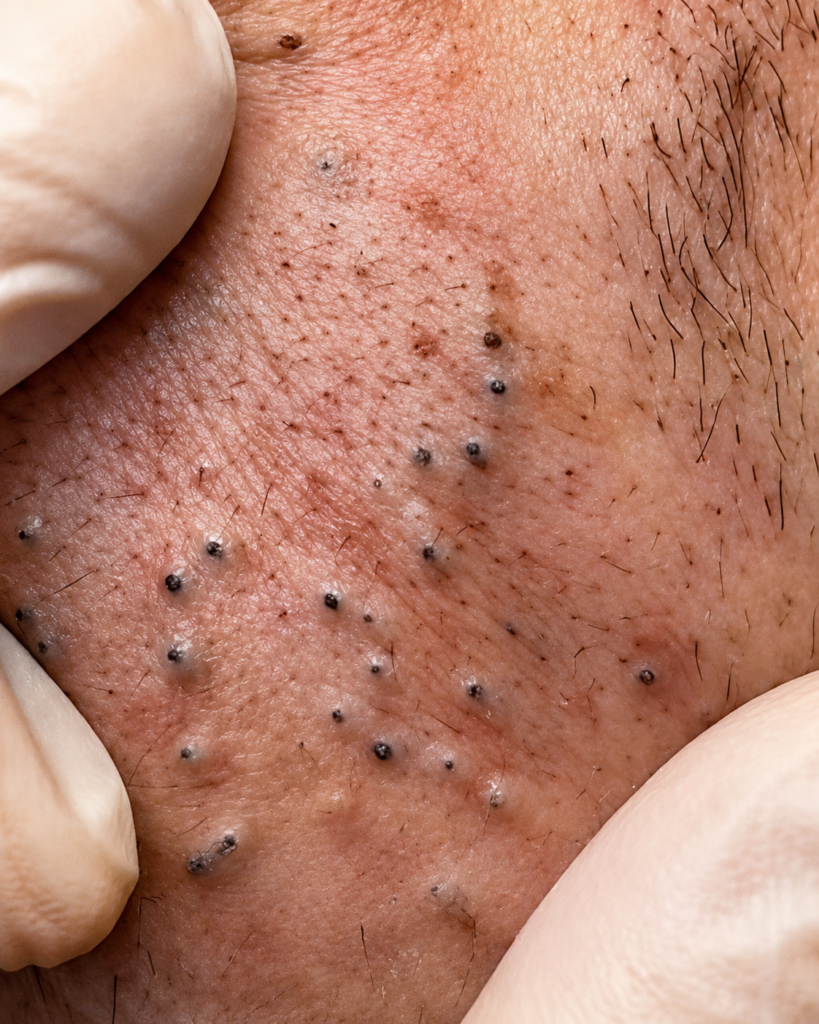
Acne is one of the most common skin problems affecting teenagers and adults around the world. Many people experience painful pimples, redness, itching, and irritation on the face. In some cases, acne becomes so itchy that people scratch it without realizing the damage it can cause. When acne is scratched aggressively, the skin may break open and start bleeding. This can increase inflammation, cause infection, and even leave permanent scars on the face.
If you often notice blood coming from pimples after scratching them, understanding the reasons behind it and learning proper skincare habits can help protect your skin. This article explains why acne bleeds, what causes itchy pimples, effective treatments, and the best ways to prevent acne damage naturally.
What Causes Acne on the Face?
Acne develops when hair follicles become clogged with oil, dead skin cells, and bacteria. The skin contains sebaceous glands that produce oil called sebum. Excess oil production can block pores and create an environment where bacteria grow easily.
Several factors can trigger acne, including:
- Hormonal changes
- Stress and anxiety
- Poor skincare habits
- Oily skin
- Unhealthy diet
- Lack of sleep
- Excess sweating
- Using harsh cosmetic products
Acne may appear as blackheads, whiteheads, pustules, cysts, or painful red bumps. Some acne types also become itchy and irritated.
Why Does Acne Itch?
Itching acne is usually a sign of skin irritation or inflammation. The body reacts to bacteria and clogged pores by sending immune cells to the affected area. This process can create redness, swelling, and itching sensations.
Common reasons itchy acne develops include:
1. Dry Skin
Using strong acne products can dry out the skin. Dryness weakens the skin barrier and causes itching.
2. Bacterial Infection
Bacteria inside clogged pores can trigger inflammation and irritation.
3. Allergic Reaction
Some skincare products contain ingredients that irritate sensitive skin.
4. Healing Process
Sometimes acne itches while healing because the skin is repairing itself.
5. Sweat and Dirt
Sweat mixed with dirt and oil can worsen irritation and itching.
Why Does Acne Bleed After Scratching?
When you scratch acne forcefully, the top layer of the skin breaks open. Pimples contain inflamed blood vessels close to the surface. Scratching damages these tiny blood vessels, causing bleeding.
Bleeding acne may happen because of:
- Picking at pimples
- Scratching itchy skin
- Popping acne incorrectly
- Dry and sensitive skin
- Severe inflammatory acne
- Thin damaged skin barrier
Once the skin breaks, bacteria can enter the wound and increase the risk of infection and scarring.
Is Bleeding Acne Dangerous?
Bleeding acne is not always dangerous, but repeated scratching can create serious skin problems over time.
Possible complications include:
- Acne scars
- Dark spots
- Skin infection
- Delayed healing
- Increased inflammation
- Permanent skin texture damage
If acne frequently bleeds, produces pus, or becomes extremely painful, professional medical treatment may be needed.
How to Stop Acne From Bleeding
If your acne starts bleeding after scratching, follow these steps carefully:
Clean the Area Gently
Wash the area with mild cleanser and lukewarm water. Avoid harsh scrubbing.
Apply Clean Tissue
Use a clean tissue or cotton pad to stop bleeding by applying light pressure.
Use Antiseptic Cream
A gentle antiseptic or acne treatment cream may help prevent infection.
Avoid Touching the Pimple
Do not scratch or pick at the acne again.
Moisturize the Skin
Keeping the skin hydrated helps repair damaged skin faster.
Best Treatments for Itchy and Bleeding Acne
1. Salicylic Acid
Salicylic acid unclogs pores and reduces inflammation.
2. Benzoyl Peroxide
This ingredient kills acne-causing bacteria and prevents new breakouts.
3. Aloe Vera Gel
Natural aloe vera helps soothe irritated and itchy skin.
4. Tea Tree Oil
Tea tree oil has antibacterial properties that may reduce acne naturally.
5. Niacinamide
Niacinamide reduces redness, irritation, and oil production.
6. Retinoids
Retinoid creams help clear pores and improve skin texture.
7. Hydrating Moisturizer
Non-comedogenic moisturizers protect the skin barrier and reduce dryness.
Home Remedies for Acne Itching and Irritation
Natural remedies may help calm mild acne symptoms.
Honey Mask
Honey has antibacterial and soothing properties. Apply for 10–15 minutes before washing.
Ice Therapy
Wrapping ice in cloth and applying it briefly may reduce swelling and itching.
Green Tea
Green tea contains antioxidants that help reduce inflammation.
Oatmeal Paste
Oatmeal can calm irritated skin and reduce itching naturally.
Cucumber Slices
Cucumber cools the skin and reduces redness.
Foods That May Help Reduce Acne
Diet can affect skin health. Some foods may support clearer skin.
Eat More:
- Fresh fruits
- Green vegetables
- Nuts and seeds
- Fish rich in omega-3
- Whole grains
- Water-rich foods
Avoid Excess:
- Sugary drinks
- Fast food
- Oily snacks
- Excess dairy
- Processed foods
Healthy eating may reduce inflammation and improve overall skin condition.
Mistakes That Make Acne Worse
Many people accidentally damage their skin while trying to remove pimples.
Avoid these habits:
- Scratching acne
- Popping pimples
- Sleeping with makeup
- Using dirty towels
- Overwashing the face
- Using harsh scrubs
- Touching the face repeatedly
These behaviors can increase bacteria and worsen irritation.
How to Prevent Acne Scars
Bleeding acne can leave marks if not treated properly.
Follow these tips to reduce scarring risk:
- Never pick acne
- Use sunscreen daily
- Keep skin moisturized
- Treat acne early
- Avoid harsh chemicals
- Use gentle skincare products
Early treatment is the best way to prevent permanent scars.
Daily Skincare Routine for Acne-Prone Skin
A proper skincare routine can reduce itching and prevent breakouts.
Morning Routine
- Gentle cleanser
- Lightweight moisturizer
- Sunscreen SPF 30+
Night Routine
- Cleanser
- Acne treatment serum
- Moisturizer
Consistency is important for long-term improvement.
When Should You See a Dermatologist?
You should consult a skin specialist if:
- Acne bleeds frequently
- Pimples are extremely painful
- Home remedies do not work
- Large cystic acne appears
- Scars are developing
- Skin becomes infected
Professional treatment may include prescription creams, antibiotics, or advanced therapies.
Final Thoughts
Scratching acne may provide temporary relief from itching, but it can seriously damage the skin. When pimples bleed after scratching, the skin barrier becomes weaker and more vulnerable to infection and scars. Understanding the causes of itchy acne and following a proper skincare routine can help reduce inflammation and improve skin health.
Using gentle skincare products, avoiding picking habits, eating healthy foods, and treating acne early are some of the best ways to keep your skin clean and healthy. If acne becomes severe or continues bleeding regularly, seeking advice from a dermatologist can help prevent long-term skin damage.
