

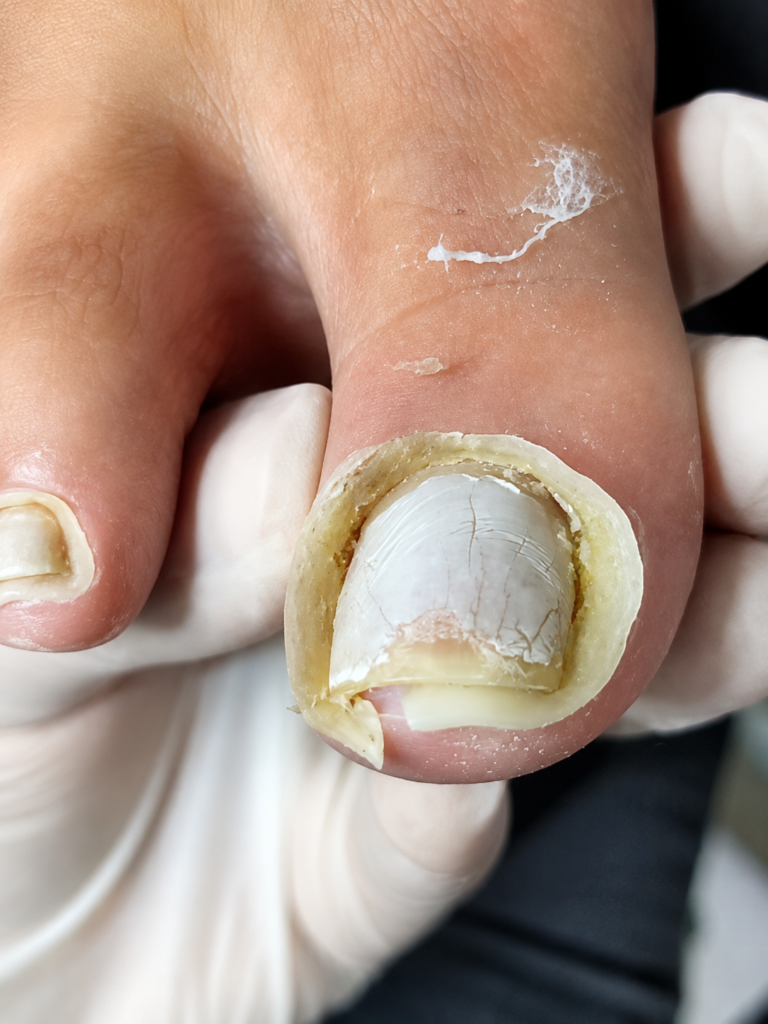
An infected toenail can be extremely painful and uncomfortable. If your toenail is swollen, red, and filled with pus, it may be caused by an ingrown toenail, bacterial infection, fungal infection, or injury. Many people ignore the problem in the beginning, but untreated nail infections can become serious and spread deeper into the skin.
The good news is that mild toenail infections can often be treated at home with proper care and hygiene. In this article, you will learn how to treat an infected toenail with pus at home, what causes it, warning signs to watch for, and how to prevent future infections.
What Is an Infected Toenail?
A toenail infection happens when bacteria or fungi enter the skin around the nail. This usually occurs after the skin becomes damaged due to cutting the nail incorrectly, tight shoes, or injury.
The big toe is the most commonly affected because it experiences the most pressure while walking.
Common Symptoms of an Infected Toenail
You may have an infected toenail if you notice:
- Swelling around the nail
- Redness and warmth
- Pain or tenderness
- Yellow or white pus
- Bad smell
- Thick or discolored nail
- Difficulty walking
- Bleeding around the nail
If the infection becomes severe, you may also develop fever or spreading redness.
Main Causes of Toenail Infection
Understanding the causes can help you avoid future problems.
1. Ingrown Toenail
An ingrown toenail happens when the nail grows into the skin instead of straight out.
2. Poor Nail Cutting
Cutting nails too short or rounding the corners can damage the skin.
3. Tight Shoes
Shoes that squeeze your toes create pressure and irritation.
4. Fungal Infection
Fungus weakens the nail and increases infection risk.
5. Foot Injury
A hit or trauma to the toe may damage the nail bed.
6. Poor Foot Hygiene
Dirty or sweaty feet allow bacteria to grow quickly.
How to Treat an Infected Toenail at Home
If the infection is mild and not spreading, these home remedies may help.
1. Soak Your Foot in Warm Salt Water
Warm water helps reduce swelling and pain while cleaning the infected area.
How to Do It:
- Fill a bowl with warm water
- Add 1 tablespoon of salt
- Soak your foot for 15–20 minutes
- Repeat 3–4 times daily
Salt water helps kill bacteria and soften the skin around the nail.
2. Keep the Area Clean and Dry
Clean feet heal faster and reduce infection risk.
Tips:
- Wash your feet daily
- Dry carefully between the toes
- Change socks regularly
- Avoid sweaty shoes
Moisture allows bacteria and fungus to grow.
3. Apply Antibiotic Cream
Over-the-counter antibiotic creams may help fight mild bacterial infections.
Common Options:
- Neomycin cream
- Bacitracin ointment
- Triple antibiotic cream
Apply a thin layer after cleaning the toe and cover with a clean bandage.
4. Avoid Tight Shoes
Tight shoes place pressure on the infected area and increase pain.
Better Choices:
- Open sandals
- Soft slippers
- Wide shoes
Giving your toe space helps it heal faster.
5. Lift the Ingrown Nail Carefully
If the nail edge is growing into the skin, gently lifting it may reduce pain.
Steps:
- Soak the foot first
- Use clean cotton or dental floss
- Place it carefully under the nail edge
Do not force the nail if it causes severe pain or bleeding.
6. Use Antifungal Cream if Needed
If the nail looks thick, yellow, or brittle, fungus may be involved.
Signs of Nail Fungus:
- Yellow nail
- Cracked texture
- Thick nail plate
- Bad smell
Antifungal creams or sprays may help in mild cases.
7. Keep the Toe Covered
A clean bandage protects the infected area from dirt and bacteria.
Important Tips:
- Change bandages daily
- Use clean gauze
- Avoid dirty environments
Proper wound care reduces infection risk.
What NOT to Do
Many people make mistakes that worsen the infection.
Avoid These:
- Cutting deep into the nail
- Pulling the nail forcefully
- Using dirty nail tools
- Ignoring severe pain
- Wearing tight shoes
- Popping pus aggressively
These actions can make the infection spread.
When Should You See a Doctor?
Home treatment is not always enough. You should seek medical help if:
- Pain becomes severe
- Swelling increases
- Pus continues to leak
- Redness spreads
- Fever develops
- You cannot walk properly
- Infection lasts more than a few days
People with diabetes should see a doctor immediately because foot infections can become dangerous quickly.
Medical Treatments for Severe Toenail Infection
Doctors may recommend:
Antibiotics
Used for bacterial infections.
Partial Nail Removal
The infected part of the nail may need removal.
Full Nail Removal
In severe cases, the whole nail may be removed temporarily.
Antifungal Medication
Needed for fungal infections that do not improve.
Professional treatment prevents serious complications.
How Long Does Healing Take?
Healing time depends on the severity of the infection.
Mild Infection:
- 1–2 weeks
Moderate Infection:
- Several weeks
Severe Cases:
- Months if nail removal is needed
Proper care helps speed up recovery.
How to Prevent Toenail Infections
Prevention is the best treatment.
Prevention Tips:
- Trim nails straight across
- Avoid cutting nails too short
- Wear breathable shoes
- Keep feet dry
- Change socks daily
- Avoid walking barefoot in public places
- Clean nail tools regularly
- Treat fungal infections early
Healthy foot care habits greatly reduce infection risk.
Best Home Remedies for Toenail Pain
You can also try these natural remedies for pain relief:
Tea Tree Oil
Known for antifungal and antibacterial properties.
Epsom Salt Soak
Helps reduce swelling and pain.
Coconut Oil
May help moisturize and protect the skin.
Turmeric Paste
Contains natural anti-inflammatory properties.
Always stop using any remedy if irritation occurs.
Final Thoughts
An infected toenail with pus can be painful, but mild cases can often be treated successfully at home with proper care. Cleaning the toe, soaking it in warm salt water, avoiding tight shoes, and applying antibiotic cream can help reduce infection and pain.
However, severe swelling, spreading redness, fever, or ongoing pus should never be ignored. Early treatment is important to avoid serious complications.
Healthy feet start with good hygiene, proper nail cutting, and comfortable footwear. Taking care of your toenails today can save you from major pain tomorrow.
