

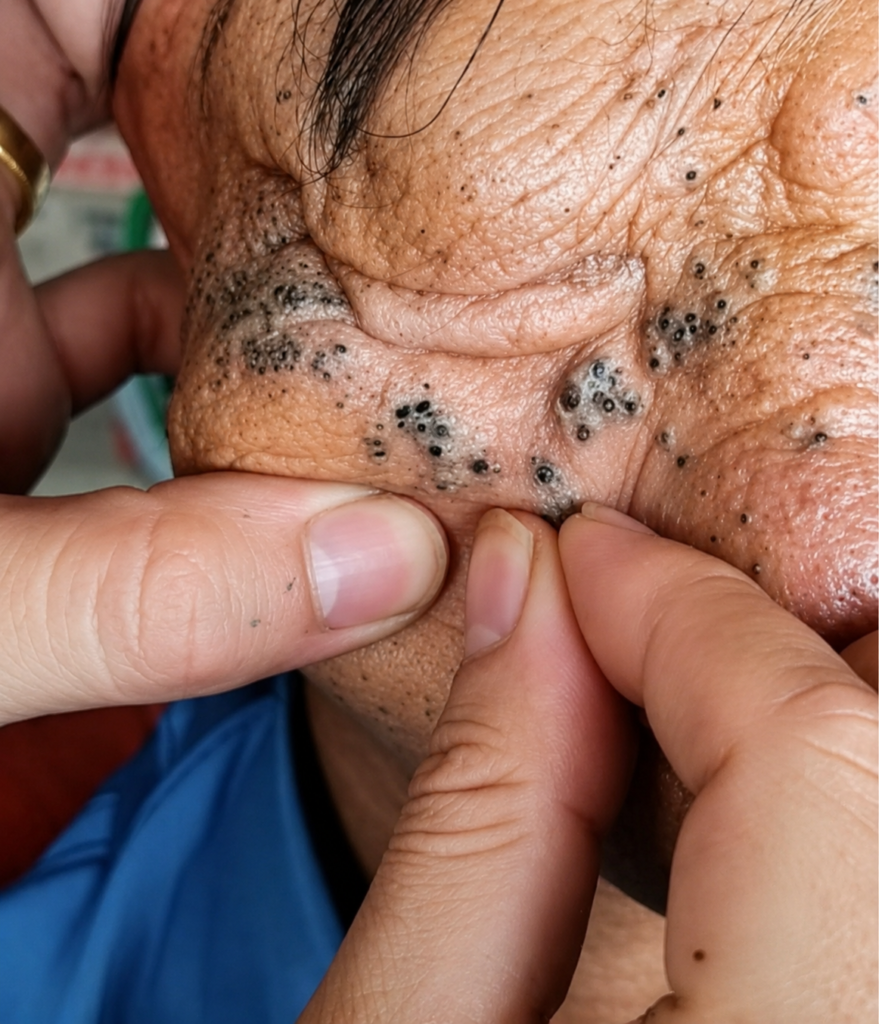
Acne and pimples are among the most common skin problems faced by teenagers and adults alike. Whether it is a small breakout before an important event or persistent acne that affects confidence, maintaining healthy skin requires consistency and the right daily habits. Many people spend money on expensive skincare products without realizing that simple lifestyle changes can make a huge difference.
Healthy skin is not achieved overnight. It comes from following a balanced skincare routine, eating nutritious foods, staying hydrated, and avoiding habits that trigger breakouts. In this article, you will discover the best daily habits that help prevent acne and pimples naturally while improving your overall skin health.
Why Acne and Pimples Happen
Before learning how to prevent acne, it is important to understand what causes it. Acne occurs when hair follicles become clogged with oil, dead skin cells, and bacteria. This can lead to blackheads, whiteheads, pimples, and even painful cysts.
Common causes of acne include:
- Excess oil production
- Hormonal changes
- Stress and lack of sleep
- Poor skincare habits
- Unhealthy diet
- Touching the face frequently
- Using the wrong skincare products
Fortunately, adopting healthy daily habits can reduce these triggers and keep your skin clear.
1. Wash Your Face Twice a Day
One of the most important habits for acne prevention is cleansing your face regularly. Dirt, oil, sweat, and pollution build up on the skin throughout the day, clogging pores and causing breakouts.
Best Cleansing Tips
- Wash your face every morning and night
- Use a gentle face wash suitable for acne-prone skin
- Avoid harsh scrubbing
- Use lukewarm water instead of hot water
- Pat your face dry with a clean towel
Overwashing can strip natural oils and irritate the skin, leading to more pimples. Balance is key.
2. Keep Your Hands Away From Your Face
Many people touch their face without realizing it. Your hands carry bacteria, dirt, and oil that can transfer to your skin and trigger acne.
Avoid:
- Picking pimples
- Resting your chin on your hands
- Touching your face frequently
Popping pimples can also cause acne scars and inflammation. Instead, use proper acne treatments or spot creams.
3. Follow a Simple Skincare Routine
A consistent skincare routine is essential for healthy skin. You do not need dozens of products. Simple routines often work best for acne-prone skin.
Basic Acne Skincare Routine
Morning Routine
- Gentle cleanser
- Lightweight moisturizer
- Sunscreen SPF 30+
Night Routine
- Cleanser
- Acne treatment serum
- Non-comedogenic moisturizer
Look for ingredients like:
- Salicylic acid
- Niacinamide
- Benzoyl peroxide
- Tea tree oil
These ingredients help reduce oil and prevent breakouts.
4. Stay Hydrated Throughout the Day
Drinking enough water is one of the easiest ways to support clear skin. Hydration helps flush toxins from the body and keeps the skin healthy.
Benefits of Water for Acne Prevention
- Maintains skin moisture
- Reduces excessive oil production
- Supports skin healing
- Improves skin texture
Aim for at least 8 glasses of water daily. Fruits with high water content like watermelon and cucumber can also help.
5. Eat Healthy Foods for Clear Skin
Your diet plays a major role in skin health. Certain foods may increase inflammation and oil production, leading to acne breakouts.
Best Foods for Acne-Free Skin
- Fresh fruits and vegetables
- Nuts and seeds
- Fish rich in omega-3
- Green tea
- Whole grains
Foods to Avoid
- Sugary snacks
- Fried foods
- Fast food
- Excess dairy products
- Soft drinks
A balanced diet provides vitamins and antioxidants that improve your skin naturally.
6. Change Pillowcases and Towels Regularly
Dirty pillowcases and towels collect bacteria, sweat, and oil over time. These can transfer back to your skin and clog pores.
Hygiene Tips
- Change pillowcases every 2–3 days
- Use clean face towels
- Avoid sharing towels with others
This simple habit can significantly reduce acne breakouts.
7. Remove Makeup Before Sleeping
Sleeping with makeup on is one of the biggest skincare mistakes. Makeup blocks pores and traps dirt and oil on the skin.
Always:
- Remove makeup before bed
- Use gentle micellar water or cleanser
- Clean makeup brushes regularly
Choose non-comedogenic makeup products that do not clog pores.
8. Manage Stress Levels
Stress affects hormones, which can increase acne production. When stressed, the body produces more cortisol, leading to oily skin and breakouts.
Healthy Stress Management Habits
- Meditation
- Deep breathing exercises
- Daily walks
- Listening to music
- Spending time outdoors
Reducing stress improves both mental health and skin health.
9. Get Enough Sleep Every Night
Lack of sleep can worsen acne and dull the skin. During sleep, the body repairs damaged skin cells and balances hormones.
Sleep Tips for Healthy Skin
- Sleep 7–8 hours daily
- Keep your pillow clean
- Avoid screen time before bed
Quality sleep helps your skin recover naturally.
10. Exercise Regularly
Exercise improves blood circulation and helps nourish skin cells. Sweating also helps remove toxins from the body.
Best Practices
- Wash your face after workouts
- Wear breathable clothing
- Stay hydrated during exercise
Regular physical activity supports glowing and healthy skin.
11. Use Sunscreen Daily
Many people skip sunscreen, but sun damage can worsen acne scars and inflammation.
Choose:
- Oil-free sunscreen
- Non-comedogenic SPF 30+
- Lightweight gel formulas
Daily sunscreen protects the skin while preventing dark acne marks.
12. Avoid Using Too Many Products
Using multiple skincare products together can irritate the skin and trigger acne.
Signs of Overusing Products
- Redness
- Dryness
- Burning sensation
- Increased breakouts
Stick to a simple routine and introduce new products slowly.
13. Keep Hair Clean
Oily hair can transfer oil and dirt to the face, especially around the forehead.
Hair Care Tips
- Wash hair regularly
- Avoid heavy hair oils
- Keep hair away from the face
This helps prevent forehead acne and clogged pores.
14. Choose Acne-Friendly Skincare Products
Not every skincare product is suitable for acne-prone skin.
Look for labels such as:
- Oil-free
- Non-comedogenic
- Fragrance-free
Avoid thick creams that clog pores.
15. Be Consistent With Your Routine
Consistency is the secret to clear skin. Many people stop skincare routines too early because they expect instant results.
Healthy skin improvements usually take:
- 2–4 weeks for small changes
- 6–8 weeks for noticeable acne reduction
Stay patient and follow healthy habits daily.
Natural Remedies for Pimples
Some natural ingredients may help calm acne-prone skin.
Popular Home Remedies
Aloe Vera
Reduces redness and inflammation.
Honey
Has antibacterial properties.
Ice Therapy
Helps reduce swelling in large pimples.
Green Tea
Contains antioxidants that calm irritated skin.
Always patch test before applying natural remedies to the face.
Common Mistakes That Cause Acne
Avoid these habits if you want clearer skin:
- Sleeping with makeup
- Using dirty makeup brushes
- Overwashing the face
- Picking pimples
- Eating excessive junk food
- Ignoring sunscreen
- Using expired skincare products
Small mistakes can lead to long-term skin issues.
Final Thoughts
Acne and pimples can be frustrating, but healthy daily habits can make a major difference. Clear skin is not about using expensive products; it is about consistency, cleanliness, proper nutrition, hydration, and stress management.
By following these simple habits every day, you can reduce breakouts, improve skin texture, and maintain healthy glowing skin naturally. Remember that every skin type is different, so finding the right routine may take time. Stay patient, stay consistent, and treat your skin gently.
With the right daily habits, achieving clearer and healthier skin is possible for everyone.
