

Introduction
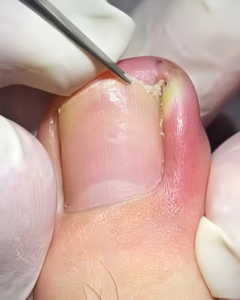
Many people notice a yellow fiber-like layer or thread appearing at the corner of their nails and wonder what causes it. This condition can affect both fingernails and toenails and may come with pain, thickening, dryness, or an unpleasant smell. In some cases, it is harmless, but sometimes it may signal a fungal infection, poor nail hygiene, injury, or skin-related conditions.
If you are asking why a yellow “resha” or fiber forms around the nail corner, understanding the root cause is the first step toward healthy nails. In this article, we will explain the common causes, symptoms, treatments, home remedies, and prevention tips for yellow nail corner buildup.
What Is the Yellow Fiber on Nail Corners?
https://www.youtube.com/watch?v=1GEs2UEjbz0&pp=0gcJCQMLAYcqIYzv
The yellow fiber-like material near the nail corner is usually a buildup of dead skin, keratin, fungus, dirt, or damaged nail tissue. It may appear:
- Yellow or pale brown
- Soft or hard
- String-like or flaky
- Thick around the nail edges
- Painful in some cases
This issue is more common in toenails because feet stay covered in shoes for long periods, creating moisture and warmth that bacteria and fungi love.
Common Causes of Yellow Fiber on Nail Corners
1. Fungal Nail Infection
One of the most common causes is a fungal infection. Fungus grows in warm, moist environments and often affects toenails.
Symptoms of Nail Fungus
- Yellow or white discoloration
- Thick nails
- Crumbly edges
- Bad smell
- Nail lifting from the skin
- Fiber-like yellow buildup at corners
Fungal infections can spread if not treated early.
2. Dead Skin and Keratin Buildup
Keratin is the protein that forms nails. Sometimes extra keratin builds up near the nail corner and creates yellow string-like material.
This often happens due to:
- Poor cleaning habits
- Wearing tight shoes
- Dry skin
- Friction around the nail
3. Ingrown Toenail
An ingrown nail occurs when the nail edge grows into the skin. This can cause inflammation and yellow discharge-like fibers around the corner.
Signs of Ingrown Nails
- Redness
- Swelling
- Pain while walking
- Yellow pus or soft tissue buildup
Improper nail cutting is a major cause.
4. Dirt and Sweat Accumulation
Sweaty feet and poor hygiene can cause dirt and bacteria to collect around nail corners. Over time, the buildup becomes yellow and sticky.
People who wear closed shoes for many hours are at higher risk.
5. Nail Injury or Trauma
If you hit your nail or wear tight footwear, the nail may become damaged. Injured nails can develop yellow tissue during healing.
Repeated pressure on the nail may also cause:
- Thickening
- Discoloration
- Hard yellow corners
6. Psoriasis or Skin Conditions
Certain skin disorders affect nail health. Nail psoriasis can lead to:
- Yellow-brown spots
- Nail separation
- Thick debris under the nail
- Rough texture
Eczema and dermatitis may also irritate nail corners.
Symptoms You Should Not Ignore
Sometimes yellow nail corners are harmless, but certain symptoms may indicate infection.
Watch for:
- Severe pain
- Swelling
- Bleeding
- Bad smell
- Pus discharge
- Nail becoming thick or loose
- Skin turning red or black
If these symptoms appear, you should seek medical attention.
How to Treat Yellow Nail Corners
Treatment depends on the cause. Here are effective ways to manage the condition.
1. Keep Nails Clean
Good hygiene is the first step.
Cleaning Tips
- Wash feet daily with warm water
- Dry nails completely
- Use a soft brush to clean corners
- Avoid sharing nail tools
- Change socks daily
Clean nails reduce fungal and bacterial growth.
2. Trim Nails Properly
Improper trimming can worsen nail corner issues.
Correct Nail Cutting Method
- Cut nails straight across
- Do not cut corners too deep
- Use clean nail clippers
- Avoid tearing nails by hand
Proper trimming prevents ingrown nails.
3. Use Antifungal Creams
If fungus is causing the yellow buildup, antifungal treatments may help.
Common options include:
- Clotrimazole cream
- Terbinafine cream
- Antifungal nail solutions
These products help kill fungus and improve nail appearance over time.
4. Soak Feet in Warm Water
Warm water softens hard buildup and reduces pain.
Simple Foot Soak
Mix:
- Warm water
- A little salt
- Few drops of tea tree oil
Soak feet for 15–20 minutes daily.
This helps clean infected corners naturally.
5. Tea Tree Oil Remedy
Tea tree oil has natural antifungal properties.
How to Use
- Clean the nail
- Apply diluted tea tree oil
- Use twice daily
Many people use this home remedy for mild fungal nail issues.
6. Wear Breathable Shoes
Moisture trapped inside shoes encourages fungal growth.
Best Footwear Tips
- Choose breathable shoes
- Wear cotton socks
- Avoid tight footwear
- Let shoes dry completely
Airflow keeps nails healthier.
7. Avoid Picking at the Nail
Pulling or scratching yellow buildup can worsen infection and damage the skin.
Instead:
- Clean gently
- Use sterilized tools
- Seek professional care if needed
Home Remedies for Yellow Nail Corners
Some natural remedies may help mild cases.
Apple Cider Vinegar Soak
Vinegar may help reduce fungus.
Directions
- Mix equal parts water and vinegar
- Soak nails for 15 minutes
- Dry thoroughly afterward
Baking Soda Paste
Baking soda absorbs moisture and may reduce fungal growth.
Method
- Mix baking soda with water
- Apply paste to affected area
- Leave for 10 minutes
- Rinse and dry
Coconut Oil
Coconut oil contains moisturizing and antimicrobial properties.
Applying coconut oil daily may help soften dry nail corners and reduce irritation.
How Long Does It Take to Heal?
Healing time depends on the cause.
Approximate Recovery Times
- Mild irritation: few days
- Ingrown nail: 1–2 weeks
- Fungal infection: several months
- Severe nail damage: longer healing period
Toenails grow slowly, so improvement may take time.
When to See a Doctor
You should consult a healthcare professional if:
- Pain becomes severe
- Infection spreads
- Home remedies do not work
- Nail becomes black or detached
- You have diabetes
- Swelling increases
Doctors may prescribe stronger antifungal medicines or perform minor procedures for ingrown nails.
How to Prevent Yellow Nail Corner Problems
Prevention is easier than treatment.
Healthy Nail Habits
1. Keep Feet Dry
Dry feet prevent fungus growth.
2. Maintain Nail Hygiene
Clean nails regularly.
3. Wear Proper Shoes
Avoid tight shoes that press the nail corners.
4. Do Not Share Nail Tools
This reduces infection risk.
5. Moisturize Skin
Healthy skin protects nail edges.
6. Cut Nails Carefully
Straight trimming prevents ingrown nails.
Best Foods for Healthy Nails
Nutrition also affects nail health.
Eat More:
- Eggs
- Nuts
- Fish
- Leafy vegetables
- Fruits rich in vitamin C
- Protein-rich foods
These nutrients support stronger nails and skin repair.
Myths About Yellow Nail Corners
Myth 1: It Is Always Fungus
Not every yellow buildup is fungal. Sometimes it is dead skin or keratin.
Myth 2: Cutting Deep Fixes the Problem
Deep cutting can worsen ingrown nails and infection.
Myth 3: Nail Problems Heal Overnight
Most nail conditions need patience and regular care.
Final Thoughts
Yellow fiber-like buildup on the corner of the nail is a common issue that can result from fungal infection, dead skin, poor hygiene, ingrown nails, or nail injury. Although mild cases often improve with proper cleaning and home care, persistent symptoms may require medical treatment.
Healthy nails depend on cleanliness, proper trimming, breathable footwear, and early treatment of infections. Paying attention to nail changes can help prevent pain and long-term nail damage.
If the yellow buildup continues to grow, causes discomfort, or spreads to other nails, consulting a doctor is the safest choice.
