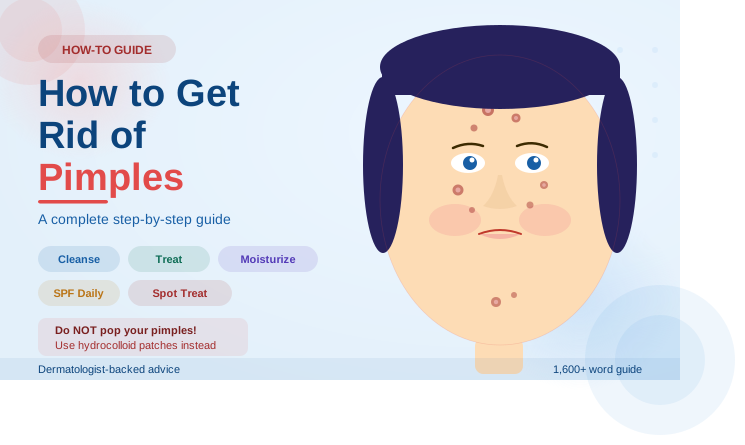

Pimples. Breakouts. Acne. Whatever you call them, they have a way of showing up at the worst possible times — before a big event, during a stressful week, or just when you thought your skin was finally under control. The good news is that acne is one of the most treatable skin conditions. With the right approach, the right ingredients, and a consistent routine, clear skin is absolutely within reach.
This step-by-step guide covers everything: what causes pimples, how to treat them fast, how to prevent future breakouts, and what to avoid so you stop making things worse without even realizing it.
What Causes Pimples? (Understanding the Root Problem)
Before learning how to treat acne, it helps to understand why it happens. Pimples form when hair follicles (pores) become clogged with a combination of:
- Excess sebum (oil) — overactive oil glands produce too much oil, creating a breeding ground for bacteria.
- Dead skin cells — when skin cells are not exfoliated regularly, they accumulate inside pores.
- Bacteria (C. acnes) — Cutibacterium acnes thrives in clogged, oily pores and triggers inflammation.
- Hormones — androgens (testosterone) spike during puberty, menstruation, or stress, increasing oil production.
Common acne triggers include hormonal fluctuations, a poor diet (high-glycemic foods, dairy), stress, comedogenic skincare products, and not cleansing the skin properly. Identifying your personal triggers is an important first step.
Types of Pimples You Need to Know
Not all pimples are the same. Knowing which type you have helps you choose the right treatment:
- Whiteheads: Closed, clogged pores with a white tip. Non-inflammatory.
- Blackheads: Open clogged pores where the tip oxidizes and turns dark. Non-inflammatory.
- Papules: Small, red, tender bumps. Early inflammatory acne.
- Pustules: Red bumps with a visible white/yellow pus-filled center. Classic pimples.
- Nodules: Large, painful, solid lumps deep in the skin. Require professional treatment.
- Cysts: Deep, painful, pus-filled lumps. Most severe form; often leaves scars.
How to Get Rid of Pimples: Step-by-Step
Step 1: Cleanse Your Skin Twice a Day
Washing your face is the foundation of any acne-fighting routine. Use a gentle, non-comedogenic cleanser morning and night to remove excess oil, sweat, bacteria, and makeup without stripping your skin barrier.
Best ingredients to look for in a cleanser:
- Salicylic acid (BHA) — unclogs pores and reduces oiliness
- Benzoyl peroxide — kills acne-causing bacteria
- Glycolic acid (AHA) — exfoliates dead skin cells
Important: Never wash your face more than twice a day. Over-cleansing strips the skin’s natural oils, triggering it to produce even more sebum — making acne worse.
Step 2: Use a Targeted Acne Treatment
After cleansing, apply an acne treatment directly to affected areas. These are the most clinically proven active ingredients for treating pimples:
- Benzoyl Peroxide (2.5%–5%): The most effective OTC ingredient for killing P. acnes bacteria. Start with 2.5% to minimize irritation.
- Salicylic Acid (0.5%–2%): A BHA that penetrates pores, dissolves the buildup causing blockages, and reduces inflammation.
- Adapalene (Differin) 0.1%: A retinoid that regulates cell turnover and prevents new clogs from forming. Now available OTC.
- Niacinamide (4%–10%): Reduces sebum production, calms inflammation, and fades post-acne marks.
Step 3: Moisturize — Even If You Have Oily Skin
This is the step most acne sufferers skip — and it is a big mistake. Skipping moisturizer causes the skin to compensate by producing more oil, which worsens breakouts. Use a lightweight, oil-free, non-comedogenic moisturizer every day.
Look for labels like: “oil-free”, “non-comedogenic”, “gel-cream” or “water-based”. Ingredients like hyaluronic acid and glycerin hydrate without clogging pores.
Step 4: Apply Sunscreen Every Morning
Many acne treatments (especially retinoids and exfoliating acids) make the skin more sensitive to UV damage. Without sunscreen, acne marks darken, scars become more pronounced, and skin barrier recovery slows down significantly.
Use a broad-spectrum SPF 30+ sunscreen that is labeled non-comedogenic. Mineral sunscreens (zinc oxide, titanium dioxide) are especially gentle and actually have mild anti-inflammatory properties helpful for acne-prone skin.
Step 5: Use a Spot Treatment for Existing Pimples
For active, visible pimples, a targeted spot treatment can speed up healing:
- Benzoyl peroxide spot treatment: Apply directly to the pimple at night to kill bacteria quickly.
- Hydrocolloid patches: Stick them on overnight to absorb pus, protect the area, and prevent picking.
- Sulfur spot cream: Dries out the pimple overnight. Great for whiteheads and pustules.
Step 6: Exfoliate 2–3 Times Per Week
Regular gentle exfoliation removes the dead skin cells that clog pores and cause breakouts. Stick to chemical exfoliants — physical scrubs can micro-tear inflamed skin and make acne worse.
- AHAs (Glycolic, Lactic acid): Surface-level exfoliation; improve skin texture and fade acne marks.
- BHAs (Salicylic acid): Deep pore exfoliation; best for oily, acne-prone skin.
Lifestyle Changes That Help Clear Acne
Skincare alone may not be enough if your lifestyle is working against you. These evidence-backed habits significantly improve acne:
- Change your pillowcase every 2–3 days: Pillowcases collect oil, bacteria, and dead skin cells that transfer back to your face while you sleep.
- Stop touching your face: Every touch transfers bacteria and oils from your hands to your pores.
- Manage stress: Cortisol (the stress hormone) directly increases oil production. Exercise, sleep, and mindfulness all reduce cortisol levels.
- Watch your diet: High-glycemic foods (white bread, sugar, processed snacks) and dairy have been linked to acne flare-ups in several studies. Try reducing these for 4–6 weeks.
- Stay hydrated: Good hydration supports skin barrier function and healthy cell turnover.
- Clean your phone screen daily: Your phone screen carries significant amounts of bacteria that press against your cheek and jaw during calls.
What NOT to Do — Common Acne Mistakes
- Do NOT pop or squeeze pimples: This pushes bacteria deeper into the skin, worsens inflammation, and almost always leads to scarring.
- Do NOT over-wash your face: More than twice daily strips the skin and triggers rebound oil production.
- Do NOT use toothpaste on pimples: A popular myth. Toothpaste irritates and burns the skin without helping acne.
- Do NOT skip moisturizer: Dry, dehydrated skin is stressed skin — and stressed skin breaks out more.
- Do NOT use harsh physical scrubs: Walnut shell scrubs, sugar scrubs, and rough exfoliants create micro-tears and worsen inflammatory acne.
- Do NOT expect overnight results: Most acne treatments take 4–12 weeks of consistent use before showing significant improvement.
When to See a Dermatologist
OTC treatments work well for mild to moderate acne. However, you should see a dermatologist if:
- You have nodular or cystic acne (deep, painful lumps)
- Your acne is not improving after 8–12 weeks of consistent OTC treatment
- You are developing acne scars
- Acne is affecting your mental health or confidence significantly
A dermatologist can prescribe stronger treatments such as topical or oral antibiotics, prescription-strength retinoids (tretinoin), hormonal therapy (for women), or isotretinoin (Accutane) for severe cases.
Recommended Daily Skincare Routine for Acne-Prone Skin
Morning Routine
- Gentle cleanser (salicylic acid or plain gentle foam)
- Niacinamide serum (4%–10%)
- Lightweight, oil-free moisturizer
- Broad-spectrum SPF 30+ sunscreen (non-comedogenic)
Evening Routine
- Double cleanse (micellar water or oil cleanser, then gentle face wash)
- BHA/AHA exfoliant — 2 to 3 nights per week only
- Acne treatment serum (benzoyl peroxide or adapalene)
- Spot treatment on active pimples (or hydrocolloid patch)
- Moisturizer
Final Thoughts
Clearing acne is a process — not a one-day fix. The key is building a simple, consistent routine with proven ingredients, avoiding the common mistakes that make acne worse, and giving treatments enough time to work. Most people see meaningful improvement within 6–8 weeks of sticking to the steps outlined in this guide.
Be patient with your skin, be gentle in how you treat it, and remember: even stubborn acne responds to the right approach. You have got this.
Frequently Asked Questions (FAQs)
How do I get rid of a pimple overnight?
For fast results, apply a benzoyl peroxide spot treatment or a hydrocolloid pimple patch at night. These can visibly reduce the size and redness of a pimple within 6–8 hours. Ice wrapped in a cloth applied for 1–2 minutes also reduces swelling and inflammation temporarily.
Is it okay to pop a pimple?
No. Popping pimples pushes bacteria deeper into the skin, greatly increases the risk of scarring, and spreads infection to surrounding pores. Use a hydrocolloid patch instead — it extracts the fluid safely without trauma to the skin.
How long does it take for acne treatment to work?
Most OTC acne treatments need 4–8 weeks of consistent daily use before significant improvement appears. Prescription treatments like tretinoin or antibiotics may take 8–12 weeks. Do not switch products frequently — give each product enough time to show results.
Can food cause pimples?
Research suggests that high-glycemic foods (sugar, white bread, sodas) and dairy may worsen acne in some people. However, food affects different people differently. Try an elimination approach — cut one trigger food for 4–6 weeks and observe whether your skin improves.
What is the best ingredient for acne?
There is no single best ingredient — it depends on your acne type. Benzoyl peroxide is best for bacterial acne and pustules. Salicylic acid works best for blackheads and clogged pores. Adapalene (retinoid) is best for preventing new breakouts long-term. Many dermatologists recommend combining two or three of these for best results.
Note: This article is for informational purposes only. Always consult a licensed dermatologist for personalized diagnosis and treatment recommendations.