

Deep nose extractions—especially those stubborn blackheads and clogged pores—can be frustrating, painful, and sometimes even damaging if done incorrectly. Many people see satisfying extraction videos online and try to replicate them at home, often without the right tools or knowledge. The truth is, using the correct methods and tools is essential to safely and effectively remove deep impurities from your pores.
In this guide, we’ll break down what to use for deep nose extractions, how to do it properly, and what to avoid to protect your skin.
Understanding Deep Nose Extractions
Before choosing tools, it’s important to understand what you’re dealing with. Deep nose extractions typically involve:
- Blackheads (open comedones)
- Whiteheads (closed comedones)
- Sebaceous filaments (natural but often mistaken for blackheads)
- Deep clogged pores filled with oil and dead skin
The nose is especially prone to congestion because it has a high concentration of oil glands. This makes it a hotspot for buildup, requiring proper care and technique.
Essential Tools for Deep Nose Extractions
1. Facial Steamer or Warm Compress

You should never attempt extractions on dry, closed pores.
Why it’s important:
- Opens pores
- Softens hardened oil and debris
- Makes extraction easier and less painful
How to use:
- Steam your face for 5–10 minutes
- Or apply a warm towel to your nose
2. Comedone Extractor Tool
:max_bytes(150000):strip_icc()/CE-promo-fc64f66cd0ef477ebfa2c9a1e523415c.jpg)
A comedone extractor is one of the safest and most effective tools for removing deep blackheads.
Why use it?
- Applies even pressure around the pore
- Reduces skin damage compared to fingernails
- Helps remove deeply embedded debris
How to use it:
- Place the loop over the blackhead
- Gently press down and glide
- Avoid excessive force to prevent scarring
3. Salicylic Acid (BHA) Products
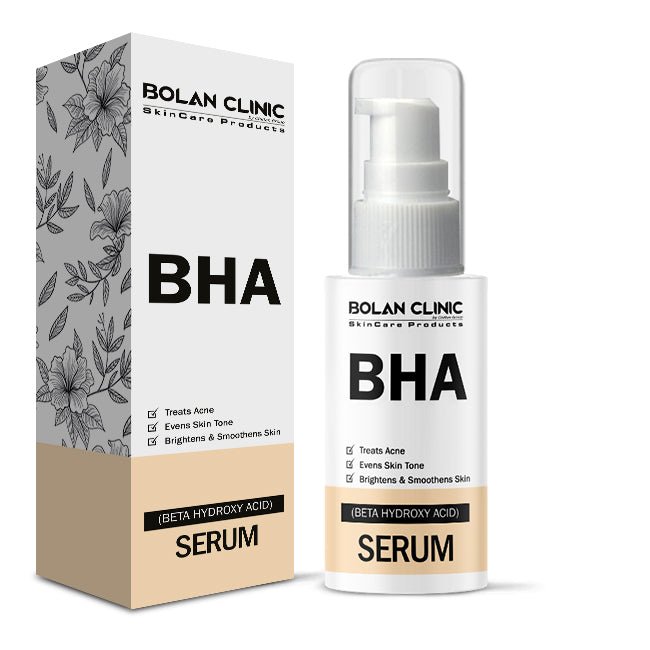
Salicylic acid penetrates deep into pores and dissolves oil buildup.
Benefits:
- Breaks down blackheads
- Prevents future clogging
- Reduces inflammation
Best for:
- People with oily or acne-prone skin
Use it regularly to reduce the need for manual extractions.
4. Clay Masks

Clay masks are great for pulling impurities from deep within pores.
Common types:
- Bentonite clay
- Kaolin clay
Why they work:
- Absorb excess oil
- Tighten pores
- Reduce blackhead formation
Use 1–2 times per week for best results.
5. Nose Pore Strips (Use Carefully)
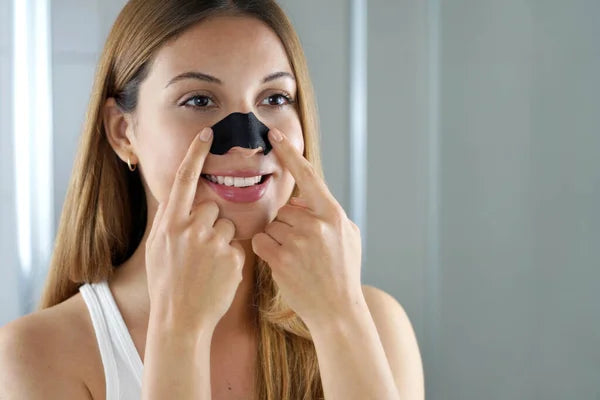
Pore strips can remove surface-level blackheads, but they are not effective for deep extractions.
Pros:
- Quick and easy
- Instant visible results
Cons:
- Can irritate skin
- Don’t remove deep clogs
- May enlarge pores over time
Use occasionally, not as your main solution.
6. Retinoids (Vitamin A Derivatives)

Retinoids help regulate skin cell turnover, preventing clogged pores.
Benefits:
- Keeps pores clear
- Reduces blackheads long-term
- Improves overall skin texture
These are more of a preventive solution rather than an extraction tool.
7. Professional Extraction Tools & Dermatologist Help

For very deep or stubborn nose extractions, it’s best to consult a professional.
Options include:
- Dermatologist extraction
- Medical-grade tools
- Chemical peels
- Microdermabrasion
Professionals know how to extract without damaging the skin.
Step-by-Step Guide to Safe Nose Extractions
If you plan to do it at home, follow this safe method:
Step 1: Cleanse Your Skin
Use a gentle cleanser to remove dirt and oil.
Step 2: Steam Your Face

Open pores using steam or a warm towel.
Step 3: Disinfect Tools

Always sanitize your extractor tool with alcohol.
Step 4: Gentle Extraction

Use light pressure—never force it. If it doesn’t come out easily, leave it.
Step 5: Apply Toner
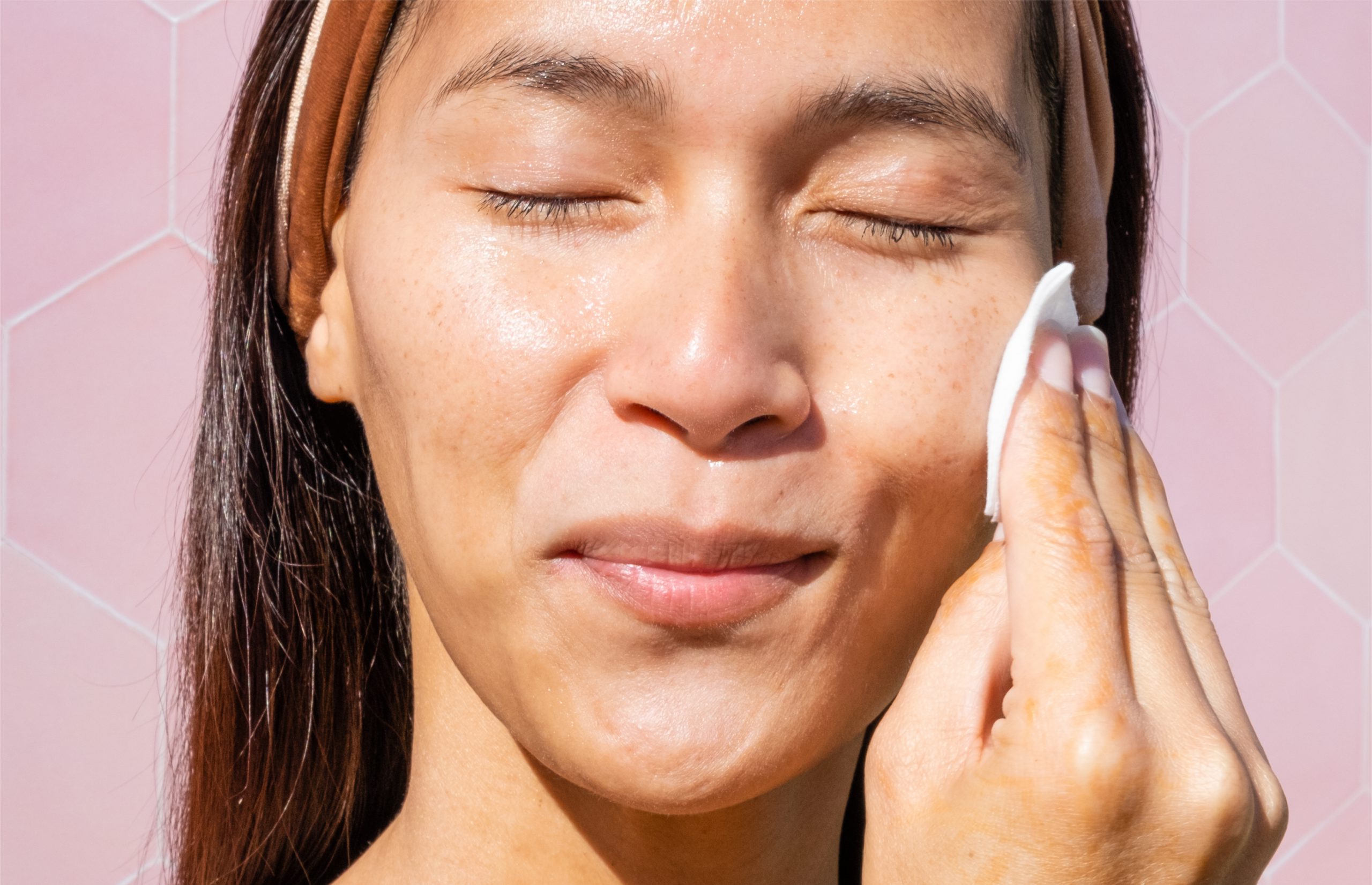
Use a toner to tighten pores after extraction.
Step 6: Moisturize
Hydrate your skin to restore balance.
What NOT to Use for Deep Nose Extractions
Many people damage their skin by using the wrong methods. Avoid these:
❌ Fingernails
- Causes skin trauma
- Leads to scars and infection
❌ Sharp Objects
- Dangerous and can puncture skin
❌ Over-extraction
- Can worsen pores
- Leads to redness and irritation
❌ Dirty Tools
- Introduces bacteria
- Causes breakouts
Tips for Preventing Deep Nose Clogs
Instead of constantly extracting, focus on prevention:
- Cleanse your face twice daily
- Exfoliate regularly (chemical exfoliation preferred)
- Avoid heavy, pore-clogging products
- Stay hydrated
- Use non-comedogenic skincare
Consistency is key to reducing buildup.
Are Deep Nose Extraction Videos Safe to Follow?
Extraction videos can be satisfying, but they often:
- Use professional tools
- Are performed by trained experts
- Show extreme cases
Trying to copy them at home without knowledge can lead to skin damage. Always prioritize safety over instant results.
When to See a Dermatologist
You should seek professional help if:
- Blackheads are very deep or painful
- Your skin becomes inflamed after extraction
- You experience frequent breakouts
- Home treatments don’t work
A dermatologist can provide safe and effective treatments tailored to your skin.
Final Thoughts
Deep nose extractions require more than just pressure—they need the right tools, preparation, and technique. While comedone extractors, steam, and chemical exfoliants can help, the most important factor is being gentle with your skin.
If done incorrectly, extractions can lead to scarring, enlarged pores, and long-term damage. That’s why prevention and proper skincare routines are just as important as the extraction process itself.
Instead of chasing quick fixes, focus on maintaining clear, healthy skin with consistent care. And when in doubt, always trust a professional.
