

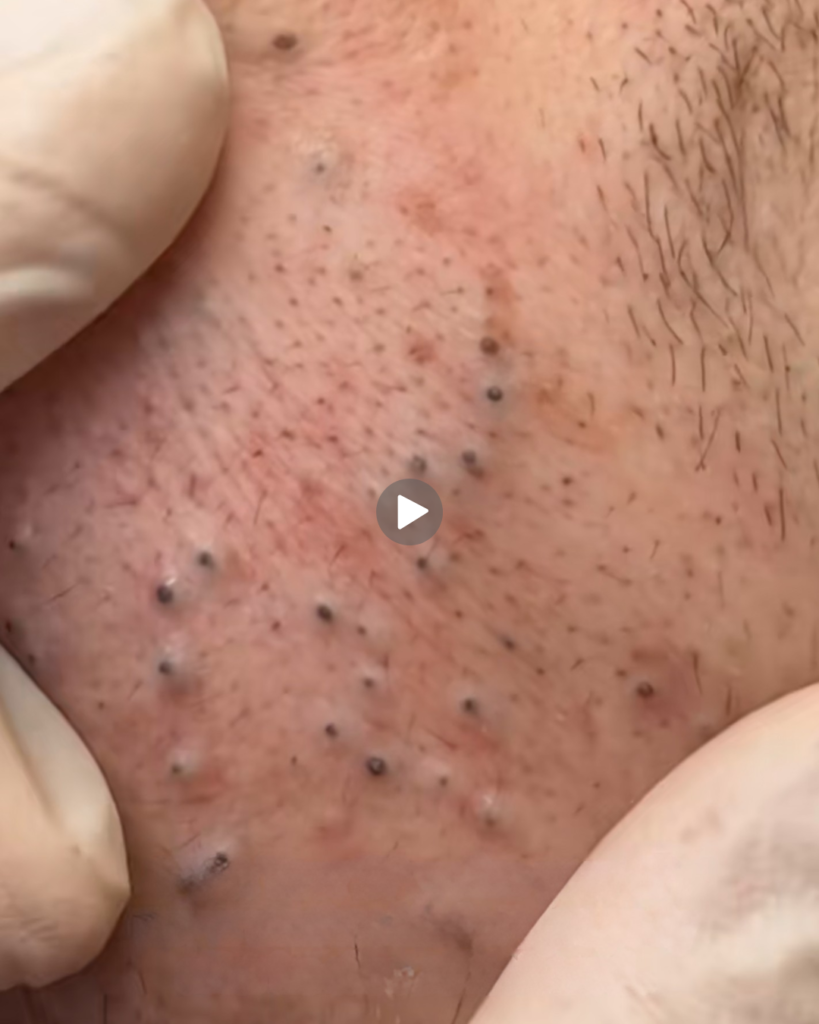
Many people experience unusual skin conditions where fluid, oil, or even a sticky substance seems to come out of the skin. This issue can be confusing, uncomfortable, and sometimes embarrassing. If you’ve noticed that your skin is releasing some kind of liquid, it’s important to understand that this can happen for several reasons—some completely normal and others requiring medical attention.
In this article, we will explore the causes, symptoms, treatments, and prevention methods for fluid discharge from the skin in a clear and simple way.
Understanding the Skin and Its Function
The skin is the largest organ of the human body. It acts as a protective barrier and helps regulate body temperature. It also contains sweat glands and sebaceous (oil) glands, which naturally produce sweat and oil.
- Sweat glands release sweat to cool down the body
- Sebaceous glands produce oil (sebum) to keep skin moisturized
Sometimes, these natural processes can become excessive or abnormal, causing noticeable discharge.
Common Causes of Fluid Coming Out of the Skin
1. Excess Oil Production (Sebum)
One of the most common reasons is oily skin. When sebaceous glands produce too much oil, it may feel like something is “coming out” of the skin.
Symptoms:
- Shiny or greasy skin
- Enlarged pores
- Acne or pimples
Why it happens:
- Hormonal changes
- Genetics
- Poor skincare routine
2. Sweating (Hyperhidrosis)
Excessive sweating can also make it seem like fluid is constantly coming out of your skin.
Symptoms:
- Wet or damp skin
- Sweat even in cool temperatures
- Unpleasant odor
Causes:
- Stress or anxiety
- Heat
- Medical conditions
3. Skin Infections
Bacterial or fungal infections can cause pus or fluid discharge.
Types include:
- Boils
- Abscesses
- Infected wounds
Symptoms:
- Redness
- Pain
- Swelling
- Yellow or white fluid (pus)
4. Allergic Reactions
Skin allergies can cause fluid-filled blisters or rashes.
Symptoms:
- Itching
- Red patches
- Small fluid-filled bumps
Triggers:
- Cosmetics
- Soaps
- Chemicals
- Food allergies
5. Eczema (Dermatitis)
Eczema is a common condition where the skin becomes inflamed and may leak fluid.
Symptoms:
- Dry, itchy skin
- Cracked skin
- Clear fluid discharge
6. Acne and Pimples
When pimples burst, they release oil, pus, or blood.
Symptoms:
- Whiteheads or blackheads
- Painful cysts
- Oily discharge
7. Open Pores and Blackheads
Sometimes, enlarged pores release oil or dirt buildup, which may look like fluid.
Symptoms:
- Visible pores
- Blackheads
- Oily texture
When Should You Be Concerned?
Not all fluid discharge is dangerous, but you should seek medical help if:
- The fluid has a bad smell
- There is severe pain
- Skin becomes very red or swollen
- The problem lasts for a long time
- You notice blood or thick pus
These signs may indicate an infection or a more serious condition.
Treatment Options
1. Maintain Proper Hygiene
Keeping your skin clean is very important.
- Wash your face twice daily
- Use mild soap or cleanser
- Avoid harsh chemicals
2. Use Oil-Control Products
If your skin is oily:
- Use oil-free moisturizers
- Apply salicylic acid products
- Use face masks for oil control
3. Medications
For infections or severe conditions:
- Antibiotic creams
- Antifungal treatments
- Steroid creams (for eczema)
Always consult a doctor before using medication.
4. Treat Excess Sweating
- Use antiperspirants
- Wear breathable clothing
- Stay hydrated
In severe cases, doctors may recommend special treatments.
5. Avoid Allergens
If allergies are causing the issue:
- Identify the trigger
- Avoid certain skincare products
- Use hypoallergenic items
Home Remedies
Some simple remedies can help control mild symptoms:
- Aloe vera: Soothes irritated skin
- Tea tree oil: Helps fight bacteria
- Cold compress: Reduces swelling and fluid discharge
- Rose water: Refreshes and tightens pores
Prevention Tips
Preventing the problem is always better than treating it.
- Keep your skin clean and dry
- Avoid touching your face frequently
- Drink plenty of water
- Eat healthy foods
- Manage stress
Lifestyle Changes for Healthy Skin
Your daily habits play a big role in skin health.
- Diet: Avoid oily and junk food
- Sleep: Get 7–8 hours of rest
- Exercise: Improves blood circulation
- Skincare routine: Use suitable products for your skin type
Conclusion
Fluid or oil coming out of the skin is a common issue that can happen for many reasons, including oily skin, sweating, infections, or allergies. In most cases, it is not serious and can be managed with proper care and hygiene. However, if the condition becomes painful, persistent, or severe, it is important to seek medical advice.
Understanding your skin type and maintaining a proper skincare routine are the keys to preventing this problem. Healthy skin reflects a healthy lifestyle, so take care of your body inside and out.
